
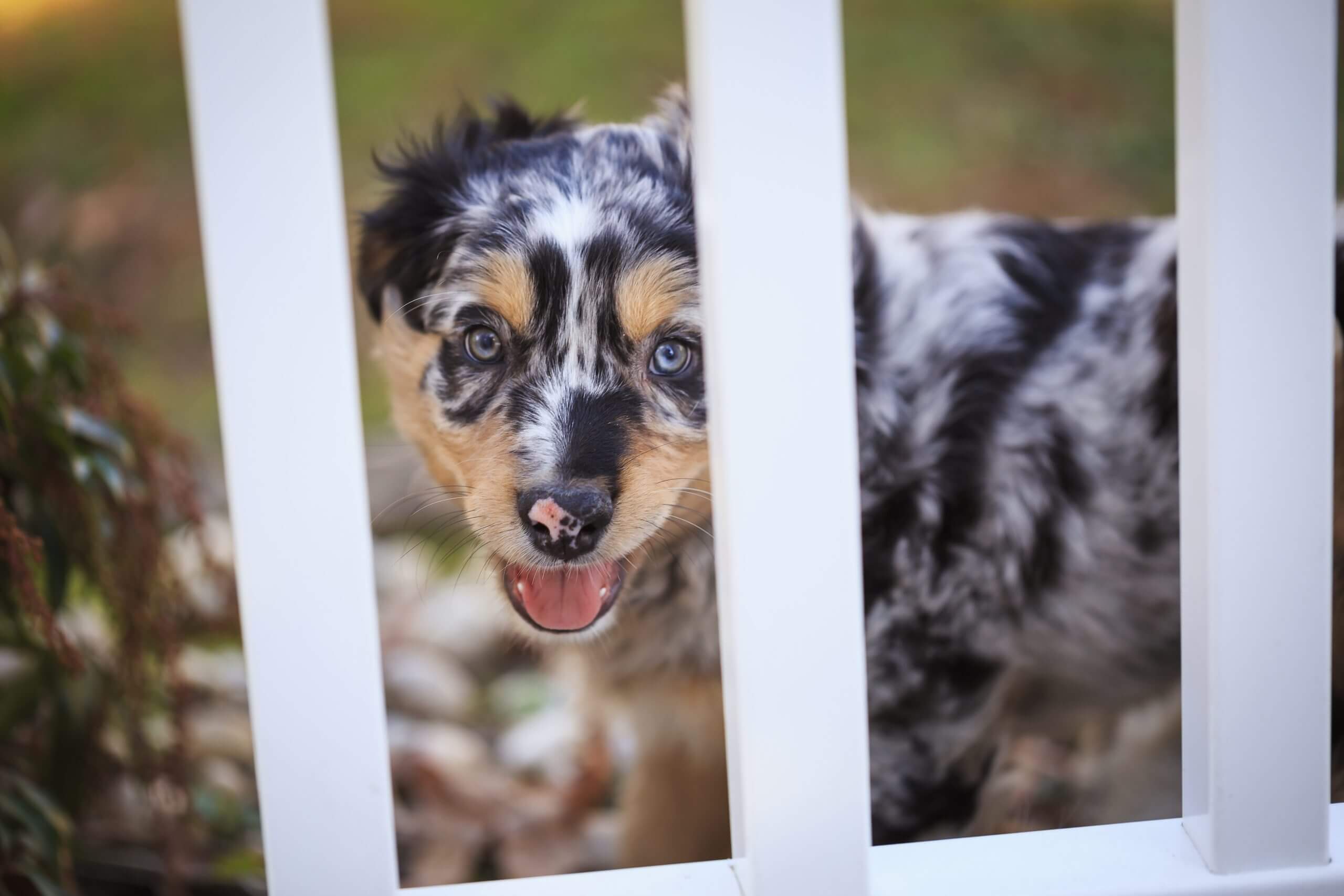
The Australian Boxherd breed is a delightful and unique blend of the Australian Cattle Dog and the Boxer. This hybrid dog has won the hearts of many pet owners around the world with its charming personality, impressive intelligence, and striking appearance. In this post, we’ll delve deep into the history, size, exercise needs, personality, health, care, feeding, coat colour, grooming, lifespan, and interactions of the Australian Boxherd breed with children and other pets. By the end, you’ll be captivated by the undeniable allure of these fantastic canines.
History
The Australian Boxherd is a relatively new breed, which emerged in the early 21st century as a result of intentional crossbreeding between the Australian Cattle Dog and the Boxer. The breed was developed to combine the robust working qualities of the Australian Cattle Dog with the loving and protective temperament of the Boxer. Australian Boxherds have since gained popularity among dog enthusiasts, thanks to their versatility and endearing characteristics.
Size
The Australian Boxherd is a medium to large-sized dog, typically weighing between 50 and 70 pounds. Males can stand as tall as 22 to 25 inches at the shoulder, while females are slightly smaller, reaching heights of 20 to 23 inches. With a sturdy build, the Australian Boxherd boasts an athletic and muscular appearance, making it an excellent choice for those seeking a strong and agile companion.
Exercise
A highly energetic breed, the Australian Boxherd requires a substantial amount of daily exercise to stay physically and mentally stimulated. Ideally, they should be given at least an hour of vigorous exercise each day, such as running, hiking, or engaging in interactive play sessions. This breed loves challenges and excels at canine sports like agility, flyball, and obedience trials. Providing adequate exercise is crucial for maintaining the health and happiness of your Australian Boxherd.
Personality
Australian Boxherds are known for their intelligent, affectionate, and loyal nature. They are eager to please and form strong bonds with their families, making them excellent companions. These dogs are protective of their loved ones and may be wary of strangers, which can make them great watchdogs. Early socialization and consistent training are essential to ensure they develop into well-mannered and confident dogs.
Health
Like any breed, Australian Boxherds may be prone to certain health issues. Some of the most common concerns include hip dysplasia, elbow dysplasia, heart problems, and allergies. Regular check-ups with your veterinarian, along with a balanced diet and exercise, can help keep your dog in optimal health. With proper care, Australian Boxherds can live up to 12-15 years.
Care
The Australian Boxherd is a relatively low-maintenance breed. They require a moderate amount of grooming, with a weekly brushing session to remove loose hair and prevent matting. Additionally, make sure to clean their ears regularly to avoid infections, trim their nails as needed, and brush their teeth to maintain oral health.
Feeding
Feeding your Australian Boxherd a balanced diet tailored to their age, size, and activity level is crucial for their overall well-being. High-quality commercial dog food, supplemented with occasional fresh fruits, vegetables, and lean meats, can provide the necessary nutrients for their growth and development. Consult your veterinarian for specific dietary recommendations and portion sizes for your dog.
Coat Colour
The coat of an Australian Boxherd can come in a variety of colours and patterns, including brindle, fawn, red, blue, and black. Some dogs may have white markings, while others can inherit the characteristic “blue heeler” colouring from their Australian Cattle Dog parent. Regardless of the specific coat colour, Australian Boxherds are undeniably eye-catching and attractive dogs.
Grooming
As mentioned earlier, Australian Boxherds require moderate grooming. Their short, dense coat does shed, so a weekly brushing session with a slicker brush or a grooming mitt can help keep shedding under control. Bathe your dog as needed, typically every few months, or when they get dirty. Regular grooming not only maintains the health and appearance of your dog’s coat but also provides a great opportunity to bond with your Australian Boxherd.
Lifespan
The Australian Boxherd has a life expectancy of approximately 12 to 15 years, which is considered average for a dog of its size. By providing proper care, including regular veterinary check-ups, a balanced diet, and sufficient exercise, you can help ensure your dog enjoys a long and healthy life.
Interacting with Children
Australian Boxherds are generally good with children, especially when properly socialized from a young age. Their protective nature and strong bond with their families make them excellent playmates for kids. However, it is essential to teach children how to interact with dogs safely and respectfully. Always supervise interactions between dogs and children, regardless of the breed, to ensure a positive experience for all involved.
Interacting with Other Pets
With proper socialization and training, Australian Boxherds can get along well with other pets, including cats and smaller animals. Early exposure to a variety of animals can help your dog develop a well-rounded temperament and reduce the likelihood of aggressive or territorial behaviour. That being said, it is essential to monitor interactions between your Australian Boxherd and other pets, particularly during the initial stages of their introduction.
Conclusion
The Australian Boxherd is a captivating and lovable breed that offers the perfect blend of strength, intelligence, and devotion. Their unique characteristics, coupled with their versatility and adaptability, make them an excellent choice for a wide range of dog enthusiasts. By providing proper care, socialization, and training, you can enjoy a lifetime of companionship with this remarkable hybrid dog. Whether you’re an experienced dog owner or a first-timer, the Australian Boxherd is sure to leave a lasting impression on your heart.