
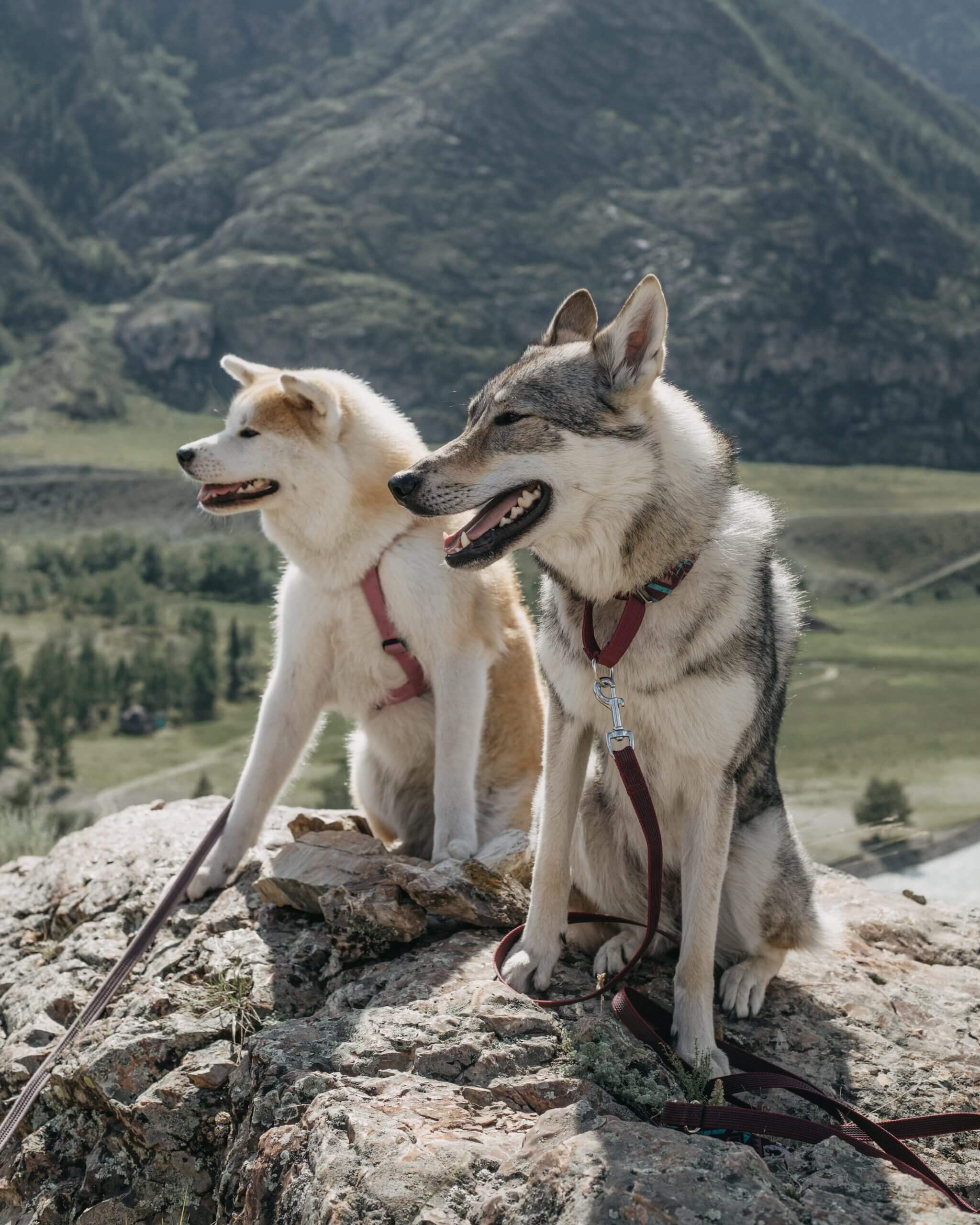
From their vibrant history to their unique appearance, the Huskita is a fascinating mixed breed that’s worth getting to know. This hybrid dog combines the strong and intelligent Akita with the energetic and loyal Siberian Husky, creating a dog that is not only stunning to look at but also has an endearing personality. In this post, we will delve into the Huskita’s history, size, exercise requirements, personality, health, care, feeding, coat colour, grooming, lifespan, and how they interact with children and other pets.
A Storied History:
The Huskita is a relatively recent mixed breed, but their parent breeds – the Akita and Siberian Husky – have long and impressive histories. The Akita originated in Japan, where they were bred for hunting and guarding. Siberian Huskies were originally bred by the Chukchi people of Siberia as sled dogs, capable of traveling long distances in harsh conditions. These two breeds come together in the Huskita to create a dog that is intelligent, strong, and adaptable.
Size and Appearance:
The size of a Huskita can vary depending on the dominant parent breed, but they generally weigh between 70 and 120 pounds and stand 22 to 26 inches tall. They are a solidly-built dog with a muscular frame, a broad chest, and sturdy legs. Their eyes can be blue, brown, or one of each, and their face often features a distinctive mask, inherited from their Husky parent.
Exercise Requirements:
Huskita dogs are an active breed, requiring daily exercise to keep them healthy and happy. A brisk walk, jog, or playtime in a fenced yard will help keep their energy levels in check. They are also excellent candidates for activities like hiking, agility, and obedience training. Keep in mind that they may have a high prey drive, so always keep them on a leash when out in public.
Personality Traits:
The Huskita is known for being loyal, intelligent, and affectionate with their family members. They are protective of their loved ones and can be wary of strangers, making them excellent guard dogs. Early socialization is crucial to ensure that they develop into well-rounded and confident adults. These dogs have a strong work ethic, inherited from both parent breeds, and they thrive when given a job to do.
Health Concerns:
As with any mixed breed, Huskitas can be prone to health issues common to their parent breeds. Some of the most common concerns include hip dysplasia, progressive retinal atrophy, and hypothyroidism. Regular check-ups and preventative care can help detect and address any issues early on.
Care and Feeding:
Huskitas require a high-quality diet that meets their nutritional needs. Due to their size and activity level, they may require more calories than smaller breeds. Consult with your veterinarian to determine the best diet and portion sizes for your individual dog.
Grooming and Coat Colour:
The Huskita’s coat is typically dense and double-layered, making them well-suited for colder climates. Coat colours can vary and include combinations of black, white, grey, red, and brown. Regular brushing is essential to keep their coat healthy and reduce shedding, especially during seasonal changes when they tend to shed more. Occasional baths will help maintain cleanliness, but be careful not to over-bathe as this can strip the coat of its natural oils.
Lifespan:
The average lifespan of a Huskita is between 10 and 14 years, which is typical for a dog of their size. Providing regular veterinary care, a balanced diet, and daily exercise can help ensure a long, healthy life.
Interacting with Children:
Huskita dogs, when properly socialized, can be great companions for children. Their loyal and protective nature makes them excellent family dogs. However, due to their size and strength, they should always be supervised when interacting with younger children to ensure playtime remains safe and enjoyable.
Interacting with Other Pets:
Huskita dogs can get along with other pets, particularly if they have been raised with them from a young age. However, their high prey drive can make them prone to chasing smaller animals like cats and rodents. Early socialization and obedience training are vital to teach your Huskita to coexist peacefully with other household pets.
In conclusion, the Huskita is a remarkable mixed breed that combines the strength, intelligence, and loyalty of both the Akita and the Siberian Husky. With proper care, training, and socialization, they can make wonderful companions and devoted family members. Their unique appearance, loving personality, and protective nature make them a standout breed that is truly one-of-a-kind.