
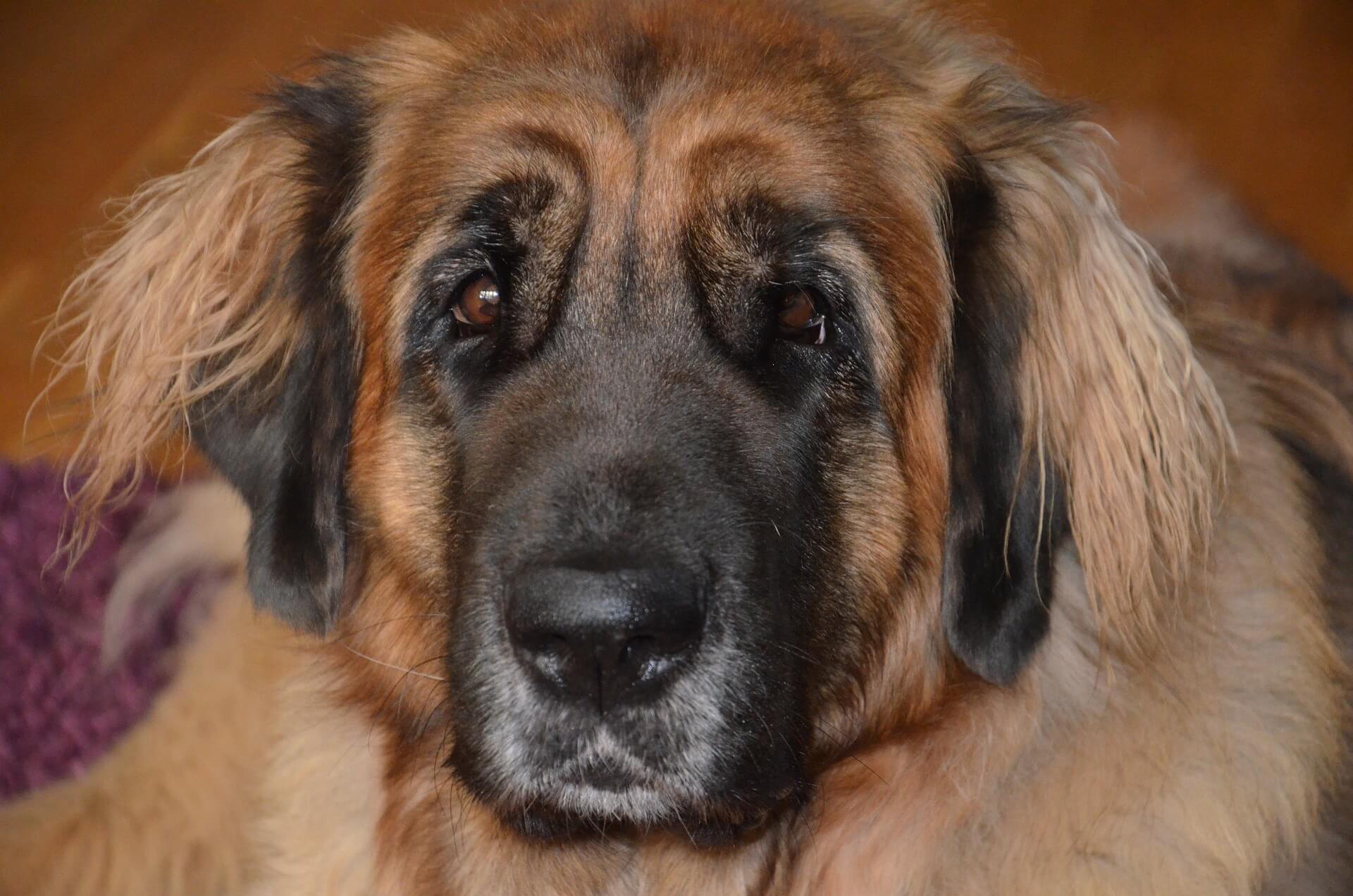
The Leonberger, a large and majestic breed originating from Germany, is well-regarded for its gentle temperament and loyal nature. Known for their striking appearance and family-friendly demeanor, Leonbergers have captured the hearts of dog lovers worldwide. In this comprehensive guide, we will delve into the Leonberger’s history, size, exercise requirements, personality, health, care and feeding, coat color, grooming, lifespan, and how they interact with children and other pets.
History:
The Leonberger breed was developed in the 19th century by Heinrich Essig, a dog breeder from the German town of Leonberg. Essig sought to create a dog that resembled the town’s lion emblem, resulting in the regal Leonberger we know today. By crossing breeds such as the Saint Bernard, Newfoundland, and Great Pyrenees, Essig achieved his goal, creating a breed that was both impressive in appearance and highly functional as a working dog.
Size:
Leonbergers are a giant breed, with males standing between 28 and 31.5 inches at the shoulder and females between 25.5 and 29.5 inches. Males can weigh anywhere from 110 to 170 pounds, while females typically range from 90 to 140 pounds. Their large size and powerful build make them well-suited for various tasks, including water rescue and cart pulling.
Exercise:
Despite their imposing size, Leonbergers are relatively adaptable when it comes to exercise needs. They require daily walks or play sessions to maintain physical and mental well-being, but their energy levels are considered moderate compared to other large breeds. Engaging activities, such as swimming, hiking, or participating in canine sports, can provide the mental and physical stimulation a Leonberger requires to thrive.
Personality:
Leonbergers are known for their gentle, affectionate, and loyal personalities. They form strong bonds with their families and are particularly well-suited for homes with children due to their patient and protective nature. They are intelligent dogs, capable of learning new tasks quickly, but can also be stubborn at times. Early socialization and consistent training are essential in raising a well-mannered and obedient Leonberger.
Health:
Leonbergers, like many large breeds, can be prone to certain health issues. Some of the more common concerns include hip and elbow dysplasia, dilated cardiomyopathy, inherited polyneuropathy, and certain types of cancer. Regular veterinary check-ups and health screenings can help identify and address these issues early on, ensuring a healthier and happier life for your Leonberger.
Care:
Caring for a Leonberger requires commitment, as their size and exercise needs can be demanding. Providing ample space for them to move around and engage in physical activity is essential. Early training and socialization are crucial in raising a well-rounded, well-behaved Leonberger. As a giant breed, they may not be well-suited for small living spaces, such as apartments or homes without yards.
Feeding:
Feeding a Leonberger a balanced, high-quality diet is essential to maintaining their overall health and well-being. Their food intake should be monitored and adjusted based on their age, size, and activity level to prevent obesity and ensure they receive the proper nutrients. A veterinarian can help determine the appropriate type and amount of food for your specific Leonberger.
Coat Color:
Leonbergers have a thick, double coat that is both weather-resistant and luxurious. Their coat colors can range from lion-yellow to red, red-brown, and sand, with a black mask that accentuates their expressive eyes. Some Leonbergers may also have white markings on their chest and toes.
Grooming:
Regular grooming is essential for a Leonberger, as their double coat can become matted if not properly maintained. Weekly brushing is recommended to remove loose hair and prevent matting, with more frequent brushing required during shedding seasons. Additionally, routine nail trimming, ear cleaning, and dental care should be part of their grooming regimen to maintain overall health.
Lifespan:
The Leonberger’s lifespan typically ranges from 8 to 10 years, which is average for a giant breed. To ensure a long and healthy life, it’s important to provide proper care, regular veterinary check-ups, a balanced diet, and adequate exercise.
Interacting with Children:
Leonbergers are known for their gentle and patient nature, making them excellent companions for families with children. They are protective and loving toward children, and their large size makes them an ideal playmate. However, interactions between young children and Leonbergers should always be supervised, and children should be taught how to interact safely and respectfully with dogs.
Interacting with Other Pets:
Leonbergers can coexist well with other pets, particularly when socialized from an early age. They are not known to be aggressive or overly dominant, making them compatible with other dogs and even cats. However, proper introductions and supervision are necessary to ensure harmonious interactions between a Leonberger and other pets in the household.
Conclusion:
The Leonberger is a majestic and loving breed that makes a loyal and protective family companion. Their gentle nature, intelligence, and adaptability make them well-suited for a variety of households, provided their exercise and space needs are met. With proper care, training, and socialization, the Leonberger can be a wonderful addition to any family.