
History
The Shikoku, a lesser-known but deeply revered breed, hails from the mountainous regions of Japan. Named after the Shikoku Island where they were first bred, these dogs have a rich history, steeped in the traditions and culture of their homeland. They were initially bred for hunting game, a trait that still resonates in their active and energetic nature today.
Size
With an average height between 17 to 22 inches at the shoulder and a weight ranging from 35 to 55 pounds, the Shikoku is a medium-sized dog. Their bodies, well-muscled and compact, reflect their history as hardy mountain dogs. An aura of grace complements their athleticism, their broad chest and powerful limbs reflecting a harmonious blend of strength and elegance.
Exercise
Despite their robust constitution, Shikokus are not high-energy dogs. They require a moderate amount of exercise – a couple of brisk walks, hikes, or play sessions daily are usually sufficient. Though they are naturally agile and enjoy a good chase, they are equally content to relax at home with their families.
Personality
The Shikoku’s personality is often described as a mix of loyalty, alertness, and a certain level of aloofness. They are known to be incredibly devoted to their families, but this devotion is coupled with an independent spirit that reflects their hunting roots. Shikokus are also known for their intelligence and can be quite quick to pick up new commands, though they may display a stubborn streak at times.
Health
Shikokus are a robust breed with a few breed-specific ailments to watch out for, such as allergies, hip dysplasia, and progressive retinal atrophy. Regular veterinary check-ups, a balanced diet, and proper exercise can help ensure a Shikoku maintains optimal health.
Caring
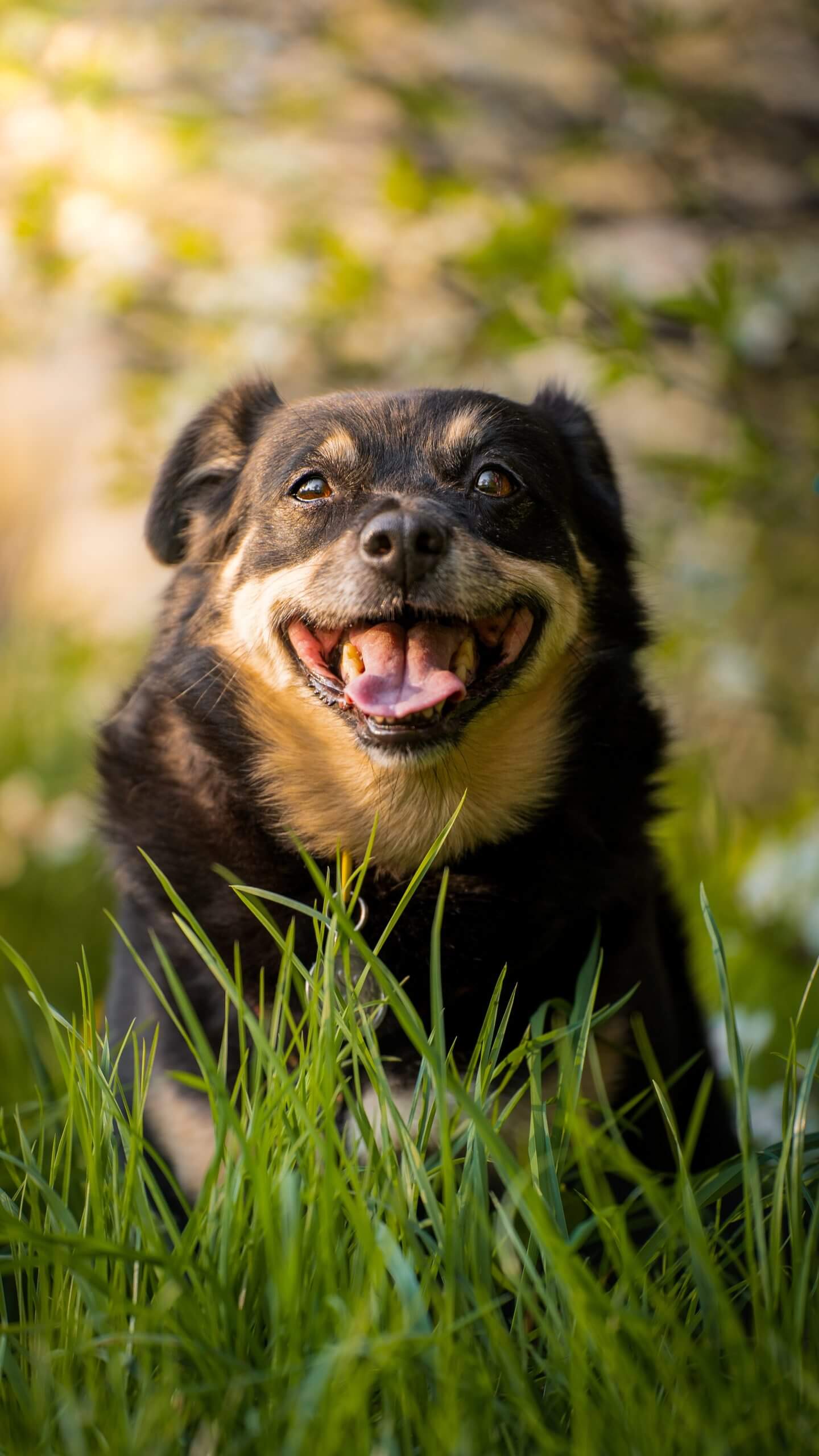
Caring for a Shikoku requires an understanding of their double coat, which comes in three standard colors – sesame, black and tan, or cream. The coat is harsh and straight, with a softer, dense undercoat. Shikokus experience seasonal shedding, and during these periods, more frequent brushing is beneficial to manage loose hair.
Feeding
Feeding a Shikoku requires attention to their nutritional needs. A diet rich in high-quality protein, balanced with appropriate levels of fats and carbohydrates, will help maintain their muscular physique and energy levels. Portion sizes and meal frequency should be discussed with a vet to prevent overfeeding and subsequent weight issues.
Lifespan
Shikokus are known for their impressive lifespan, living on average between 10 to 15 years. This longevity, however, is highly dependent on their lifestyle, diet, and healthcare.
Interacting with Children
When it comes to children, Shikokus, with their loyal and protective nature, can make great family pets. However, their interaction with children should always be supervised, considering their hunting background and independent nature.
Interacting with Other Pets
Regarding other pets, Shikokus have a high prey drive due to their hunting heritage. Therefore, they may not always get along with other small pets. However, early socialization and training can help manage these instincts.
Conclusion
The Shikoku is a breed of many facets – loyal yet independent, active but not hyper, elegant and robust. They are a reflection of the rich culture and rugged terrain of their homeland. With the right care, training, and socialization, a Shikoku can become a devoted and loving member of the family, bridging the gap between our modern homes and the mountainous regions of ancient Japan.