
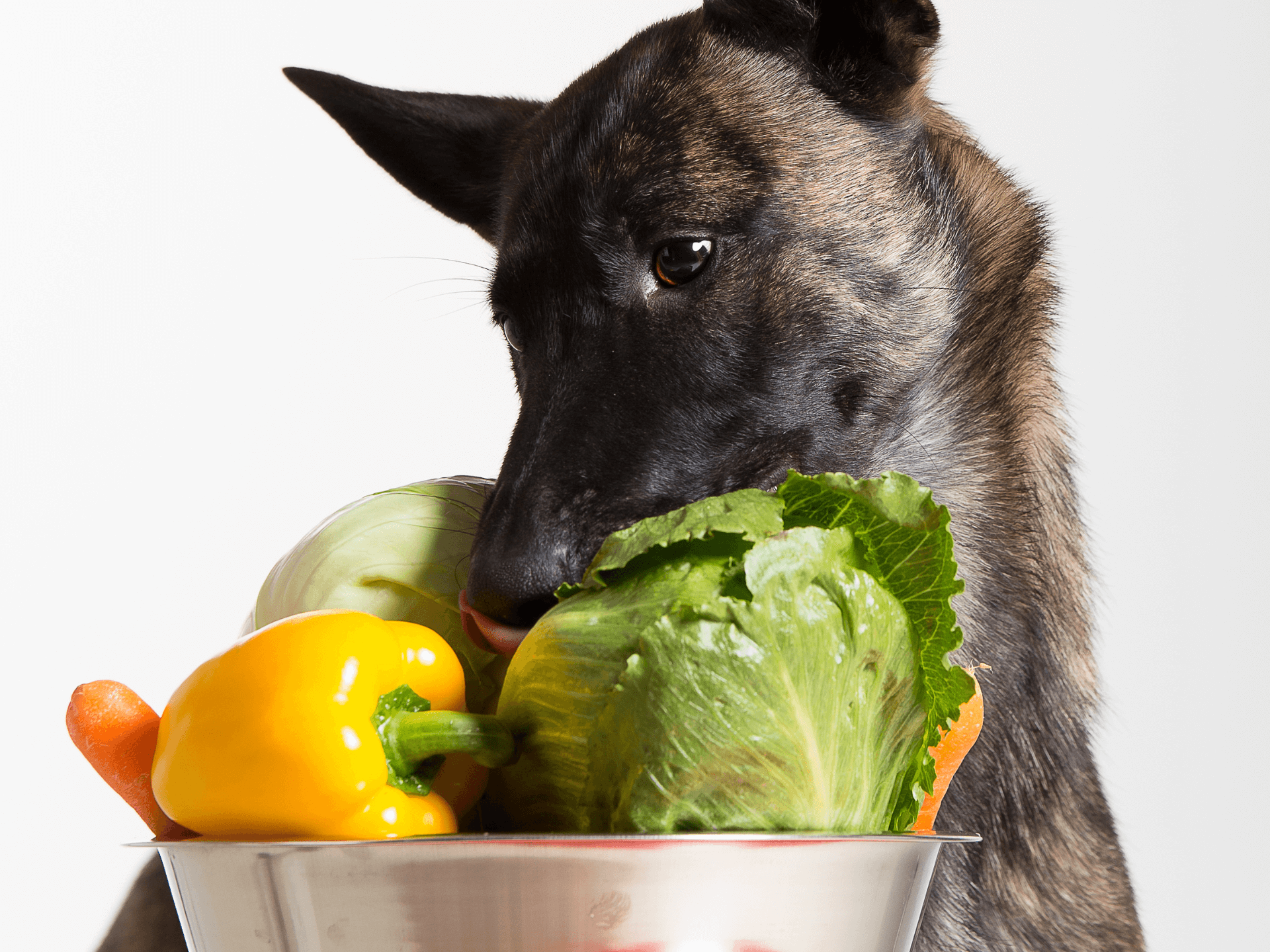
Cabbage, the leafy green or purple plant that we often find in our salads, stir-fries, and stews, is known for its health benefits. High in fiber and rich in vitamins K and C, it’s a nutritious addition to our diet. But, when we see those pleading eyes of our canine companions, we can’t help but wonder: can dogs eat cabbage? Is cabbage safe for dogs?
The straightforward answer to this is yes, dogs can eat cabbage, but with certain considerations in mind. The nutritional benefits that we derive from cabbage apply to dogs too. Vitamins K and C are beneficial for your dog’s health, promoting blood clotting, boosting the immune system, and aiding in bone strength. Furthermore, the fiber in cabbage can contribute to good digestive health.
However, while cabbage is safe for dogs to consume, it should be introduced slowly and given in moderation. Too much cabbage can lead to excessive gas and consequent discomfort in dogs. Therefore, if you are introducing cabbage into your dog’s diet, start with small amounts and observe your pet for any changes in digestion or behavior.
The method of preparation also plays a crucial role when feeding cabbage to your dog. While we humans may enjoy cabbage in various forms, including sauerkraut and coleslaw, these are not suitable for dogs. The high salt content in sauerkraut and the added fats and sugars in coleslaw can be detrimental to your dog’s health.
Plain, cooked cabbage is the best way to serve this vegetable to your dog. Boiling or steaming the cabbage until it is soft makes it easier for your dog to digest and allows for better nutrient absorption. Remember to cool it down before offering it to your pet and avoid adding any seasoning or oil.
It’s essential to remember that while vegetables like cabbage can be a healthy supplement to your dog’s diet, they should not replace a balanced, protein-based diet that provides all the necessary nutrients your dog needs.
In summary, yes, dogs can eat cabbage. It should be plain, cooked, and given in moderation. Always consult with your vet before introducing new foods to your dog’s diet, as individual dietary needs and sensitivities can vary.