
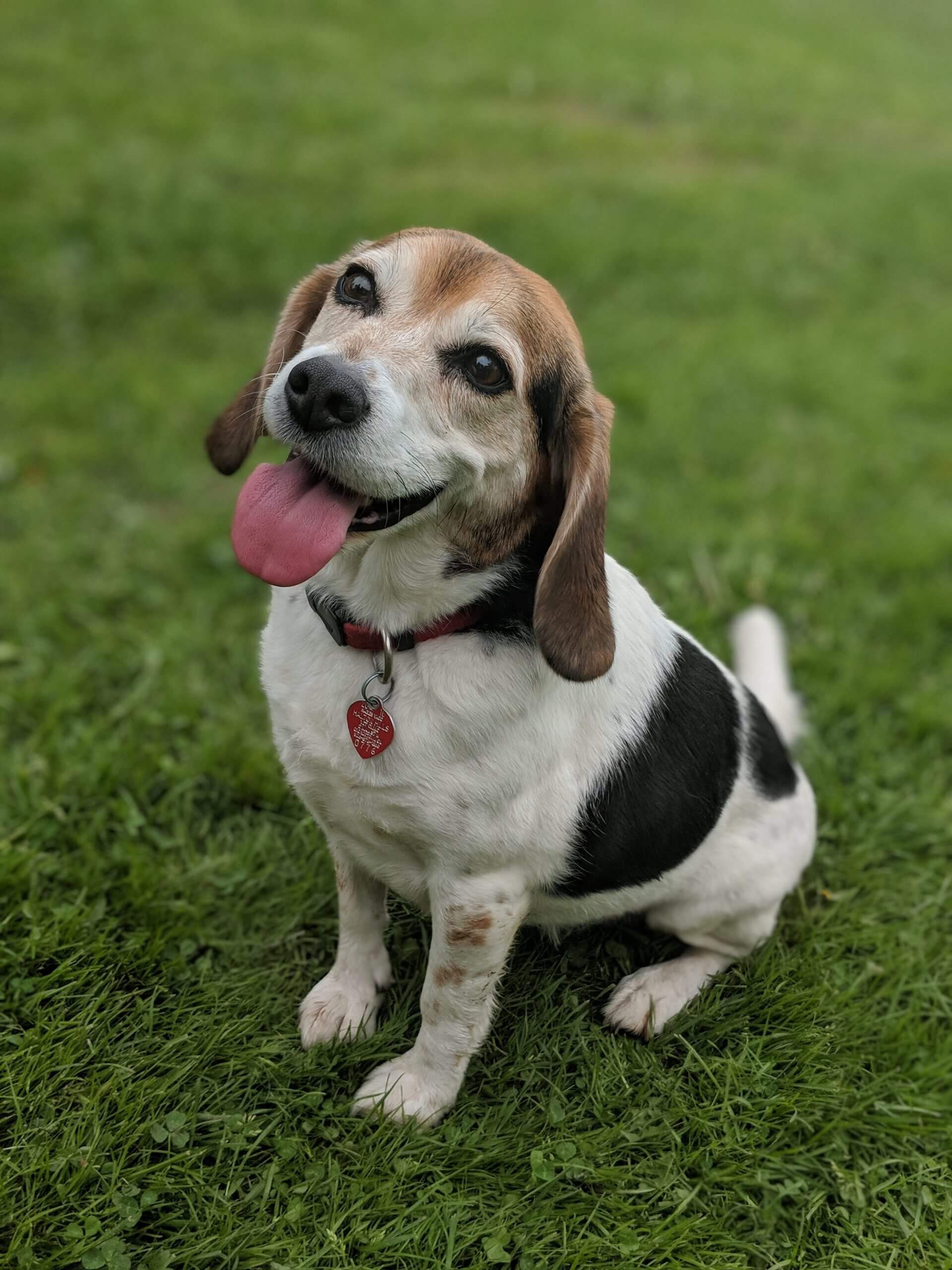
The Bagle Hound, a charming crossbreed between the Beagle and the Basset Hound, is known for its friendly demeanor and unique appearance. In this all-encompassing guide, we will discuss the Bagle Hound’s history, size, exercise requirements, personality traits, health issues, care tips, feeding recommendations, coat colors, grooming necessities, lifespan, and interactions with children and other pets.
History
The Bagle Hound is a designer hybrid breed that emerged in the late 20th century or early 21st century. Combining the best traits of both the Beagle and the Basset Hound, the Bagle Hound was bred to create a friendly and affectionate dog with a strong hunting instinct. While not recognized by major kennel clubs, the Bagle Hound has garnered a loyal following among dog enthusiasts who appreciate its distinctive appearance and warm-hearted nature.
Size
Bagle Hounds are medium-sized dogs, typically standing between 13 and 15 inches tall at the shoulder and weighing between 30 and 50 pounds. The size of an individual Bagle Hound may vary depending on the traits inherited from its parent breeds.
Exercise
Bagle Hounds have moderate exercise needs, requiring at least 30 minutes of daily activity to stay healthy and happy. They enjoy going for walks, playing in the yard, and using their keen sense of smell to explore their environment. As they are prone to obesity, it’s crucial to provide them with regular exercise to maintain a healthy weight.
Personality
The Bagle Hound is known for its friendly, affectionate, and easygoing personality. They are great with families, as they tend to bond closely with their human companions and enjoy spending time with children. Early socialization and consistent training are essential to ensure a well-rounded and well-behaved Bagle Hound.
Health
Bagle Hounds may be susceptible to various health issues, including hip dysplasia, ear infections, and obesity. Regular veterinary check-ups and preventive care, such as vaccinations and parasite control, are crucial to maintaining the health of your Bagle Hound. Monitoring your dog’s weight is also essential, as obesity can exacerbate health issues and shorten their lifespan.
Care
Bagle Hounds are intelligent and eager to please, making them relatively easy to train. However, they can be stubborn at times, so patience and consistency are vital during training sessions. Mental stimulation is equally important for Bagle Hounds to prevent boredom and keep their minds sharp. Puzzle toys, interactive games, and scent work are excellent ways to provide mental challenges for these dogs.
Feeding
A balanced and nutritious diet is essential for a Bagle Hound’s health and well-being. Their dietary needs will vary depending on factors such as age, size, activity level, and individual metabolism. Consult your veterinarian to determine the most appropriate diet and feeding schedule for your Bagle Hound.
Coat Color and Grooming
Bagle Hounds have a short, dense coat that can come in various colors, including tri-color, lemon and white, red and white, or black and tan. Regular brushing, at least once a week, will help remove loose hair and keep the coat looking clean and healthy. Bagle Hounds are moderate shedders and may require occasional baths to maintain coat cleanliness.
Lifespan
With proper care, Bagle Hounds typically live between 10 to 14 years. A balanced diet, regular exercise, mental stimulation, and consistent veterinary care all contribute to the breed’s overall longevity and well-being.
Interacting with Children
Bagle Hounds can make excellent family pets, as they are generally good-nature-natured and enjoy the company of children. Their gentle and affectionate temperament makes them suitable playmates for older kids who know how to interact appropriately with dogs. It’s essential to supervise interactions between children and dogs, teaching both how to behave safely and respectfully. Younger children should be taught not to engage in rough play or tease the dog, while the Bagle Hound should be trained not to jump on or nip children.
Interacting with Other Pets
Bagle Hounds usually get along well with other pets, especially when socialized early and consistently. Their friendly nature makes them more likely to coexist peacefully with other dogs and even cats. However, it’s crucial to introduce new pets gradually and supervise their interactions, as each dog’s personality and level of tolerance may differ. Proper training, socialization, and supervision are essential to ensure harmonious relationships between the Bagle Hound and other pets in the household.
Conclusion
The Bagle Hound, with its unique blend of Beagle and Basset Hound traits, offers a lovable and distinctive addition to any family. If you’re considering bringing a Bagle Hound into your home, be prepared to provide the care, attention, and love they require. With proper exercise, feeding, grooming, and socialization, this affectionate and loyal hybrid breed can become a cherished member of your family, bringing joy and companionship for years to come.