
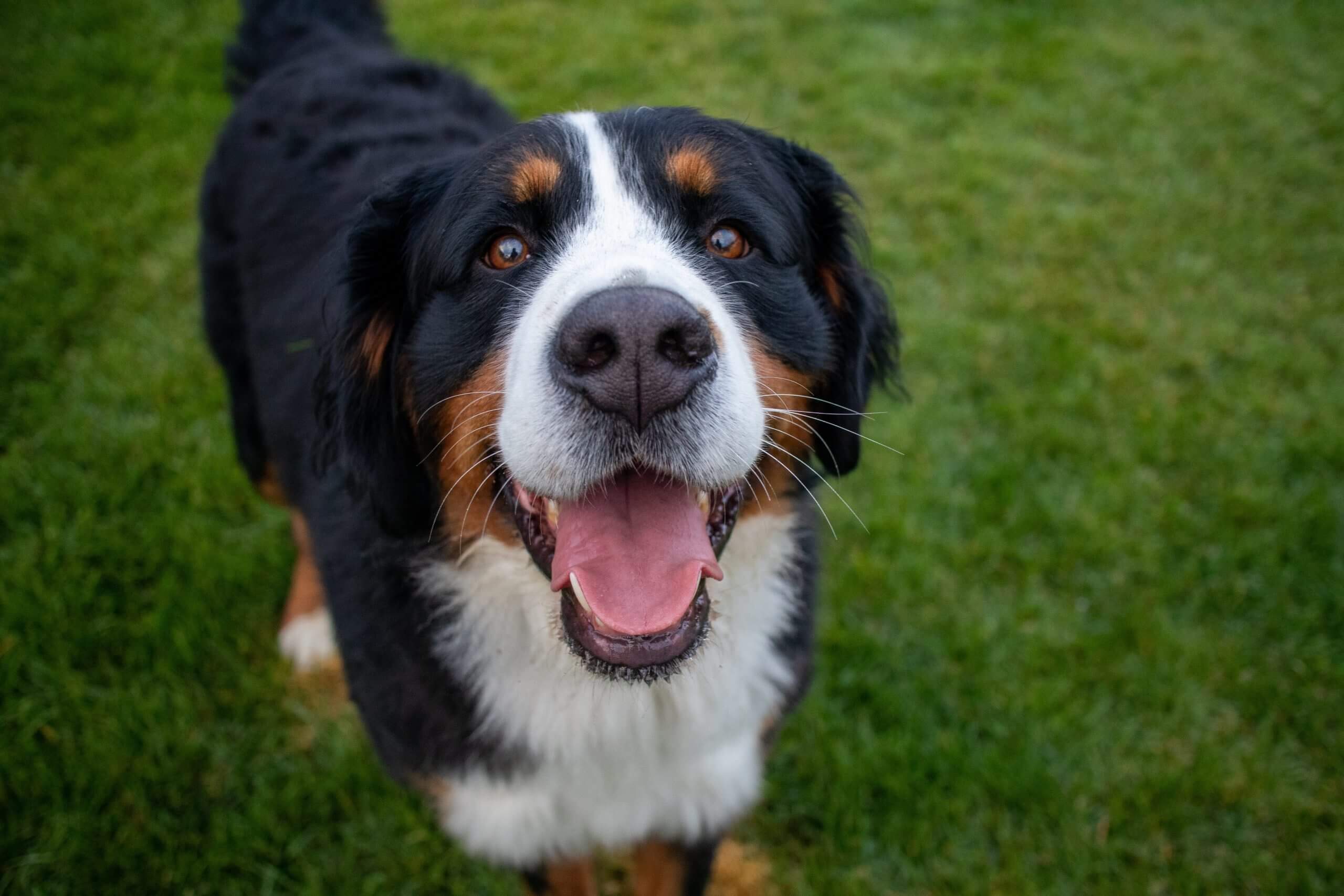
The Bernese Mountain Dog, a majestic and gentle giant, boasts a captivating history and a unique set of characteristics that endear it to dog lovers worldwide. In this comprehensive guide, we’ll explore the breed’s history, size, exercise requirements, personality traits, health, care, feeding, coat color, grooming, lifespan, and interactions with children and other pets to help you better understand this magnificent breed.
History
Originating in Switzerland, Bernese Mountain Dogs have a storied past dating back to the Roman Empire, when they served as all-purpose farm dogs. Known as “Berner Sennenhund” in their native Swiss-German dialect, they were primarily used for drafting (pulling carts), herding livestock, and providing companionship. Although their numbers dwindled in the early 20th century, dedicated breed enthusiasts helped revive the breed, leading to its widespread popularity today.
Size
The Bernese Mountain Dog is a large, sturdy, and well-balanced breed. Males typically stand between 25 to 27.5 inches and weigh between 85 to 110 pounds, while females are slightly smaller, standing between 23 to 26 inches and weighing between 75 to 95 pounds. Their muscular build and strong bone structure equip them for their historical work as draft and herding dogs.
Exercise
Despite their size, Bernese Mountain Dogs require only moderate daily exercise to maintain their physical and mental well-being. A brisk walk or a 30-minute play session in a securely fenced yard will generally suffice. However, as a working breed, they also enjoy participating in activities such as carting, herding, or obedience training, which provide mental stimulation and help strengthen the bond between dog and owner.
Personality
Bernese Mountain Dogs are known for their gentle, affectionate, and loyal temperament. They are highly intelligent and eager to please, making them relatively easy to train. Their patience and good-natured disposition make them an excellent choice for families, and they tend to form strong bonds with their human companions. However, they can be somewhat reserved around strangers, so early socialization is essential to prevent excessive shyness or anxiety.
Health
Bernese Mountain Dogs have a relatively short lifespan compared to other breeds, averaging between 7 to 10 years. They are prone to several health issues, including hip and elbow dysplasia, progressive retinal atrophy, von Willebrand’s disease, and certain types of cancer. Regular veterinary check-ups and appropriate screening tests are crucial for early detection and management of these conditions.
Care
Bernese Mountain Dogs are adaptable to a variety of living situations, provided they receive adequate exercise and companionship. They prefer cooler climates due to their thick double coat, which insulates them from the cold. As a breed that thrives on human interaction, they do best when included in family activities and allowed to live indoors with their owners.
Feeding
A balanced diet is vital for maintaining the health and well-being of a Bernese Mountain Dog. High-quality, age-appropriate dog food should be provided, either commercially prepared or home-prepared under a veterinarian’s guidance. The amount of food required will depend on factors such as age, size, activity level, and overall health. Regular monitoring of weight and body condition can help prevent obesity and associated health problems.
Coat Color
The Bernese Mountain Dog’s striking coat is characterized by its tricolor pattern, with a jet-black base, rich rust markings, and crisp white accents. The white markings typically appear on the dog’s chest, muzzle, and toes, and may also form a Swiss cross on the forehead. Their double coat is thick and moderately long, with a slight wave or straight texture that provides protection from harsh weather conditions.
Grooming
Regular grooming is essential for maintaining the Bernese Mountain Dog’s beautiful coat. Weekly brushing is recommended to remove dead hair, prevent matting, and minimize shedding. During seasonal shedding periods, more frequent brushing may be necessary. Bathing should be done as needed, typically every few months, to keep the coat clean without stripping its natural oils. In addition to coat care, routine nail trimming, ear cleaning, and dental hygiene are important aspects of maintaining overall health and well-being.
Lifespan
The Bernese Mountain Dog, unfortunately, has a shorter lifespan compared to other breeds, typically living between 7 to 10 years. Proper care, nutrition, exercise, and regular veterinary check-ups can contribute to a healthier, happier life for your Berner. Being aware of potential health issues and addressing them early can also help ensure a longer and more comfortable life for your beloved companion.
Interacting with Children
Bernese Mountain Dogs are known for their gentle and patient nature, making them an ideal choice for families with children. They are generally tolerant of the boisterous play that often accompanies young children, but supervision is still necessary to ensure the safety of both the dog and the child. Teaching children appropriate ways to interact with dogs will help create a safe, positive environment for everyone involved.
Interacting with Other Pets
With proper socialization, Bernese Mountain Dogs can coexist peacefully with other pets, including dogs and cats. Their gentle temperament and herding instincts make them more likely to befriend and protect smaller animals rather than chase or harass them. Introducing your Bernese Mountain Dog to other pets gradually and in a controlled setting will help them learn to accept and bond with their fellow furry companions.
Conclusion
The Bernese Mountain Dog is a captivating breed with a rich history and a gentle, affectionate personality. Their striking appearance, loyalty, and devotion to their families make them a popular choice for dog lovers around the world. By understanding their unique characteristics and providing proper care, exercise, and socialization, you can forge a strong bond with your Bernese Mountain Dog and enjoy a fulfilling life together. As a working breed, they find satisfaction in tasks that engage their body and mind, making them not only wonderful family pets but also valuable partners in various canine activities.