
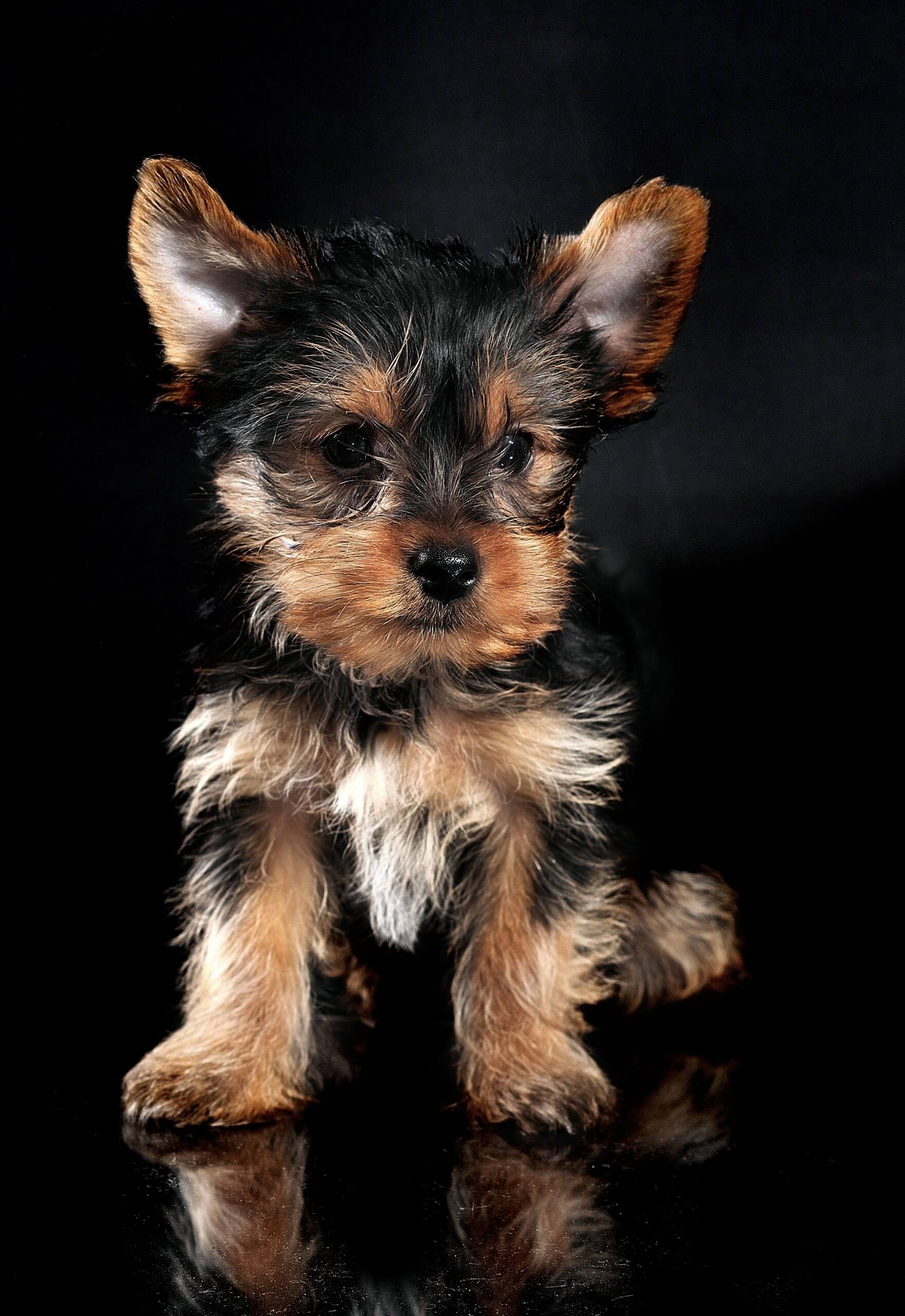
The Biewer Terrier, a delightful and rare toy breed, has captured the hearts of dog enthusiasts worldwide with its striking appearance and affectionate nature. Originating in Germany, this elegant breed boasts a unique tricolor coat and a spirited personality. In this in-depth guide, we’ll delve into the Biewer Terrier’s history, size, exercise requirements, personality traits, health concerns, care, feeding, coat color, grooming, lifespan, and interactions with children and other pets.
History
The Biewer Terrier, also known as the Biewer à la Pom Pon or Biewer Yorkie, originated in Germany in the early 1980s. Werner and Gertrud Biewer, passionate breeders of Yorkshire Terriers, unexpectedly produced a puppy with a distinct tricolor coat due to a recessive piebald gene. Intrigued by the unique appearance, the Biewers decided to develop a new breed, combining the elegance of the Yorkshire Terrier with the striking tricolor coat. The Biewer Terrier gained recognition from international breed clubs and has been steadily growing in popularity ever since.
Size
Biewer Terriers are small dogs, typically weighing between 4 and 8 pounds and standing about 7 to 11 inches tall at the shoulder. Their petite stature makes them an ideal choice for apartment living and those who prefer a small, portable companion.
Exercise
Although Biewer Terriers are energetic and playful, their exercise requirements are relatively modest. A daily walk and some indoor playtime or mental stimulation will keep them content and healthy. As a small breed, they can be prone to obesity, so it’s essential to monitor their activity levels and ensure they receive regular exercise.
Personality
Biewer Terriers possess a delightful, friendly, and spirited personality. They are intelligent, curious, and eager to please, making them relatively easy to train with positive reinforcement techniques. Biewer Terriers are generally good-natured and adapt well to various living situations, making them excellent companions for singles, families, and seniors alike.
Health
Biewer Terriers are generally healthy dogs, but like all breeds, they can be prone to certain health issues. Common concerns include patellar luxation, Legg-Calvé-Perthes disease, hypoglycemia, and dental problems. Regular veterinary check-ups, a balanced diet, and proper dental care can help prevent or manage these issues, ensuring your Biewer Terrier lives a long and healthy life.
Care
Caring for a Biewer Terrier requires attention to their grooming, dental health, and exercise needs. Establishing a consistent routine for grooming, dental care, and exercise will help keep your Biewer Terrier happy and healthy. Biewer Terriers can also be prone to separation anxiety, so it’s essential to provide them with plenty of social interaction and mental stimulation.
Feeding
A high-quality, age-appropriate dog food is essential for maintaining your Biewer Terrier’s health and wellbeing. Portion sizes should be carefully monitored to prevent overfeeding and obesity. Consult your veterinarian for specific feeding guidelines based on your dog’s age, weight, and activity level.
Coat Color
The Biewer Terrier’s distinctive tricolor coat sets them apart from other small breeds. Their silky, straight hair features a striking combination of white, black, and tan or blue, gold, and white. The unique patterning, combined with their elegant appearance, contributes to their growing popularity among dog lovers.
Grooming
Biewer Terriers require regular grooming to keep their coat healthy and tangle-free. Daily brushing is recommended to prevent matting and to maintain their coat’s silky texture. Regular baths, approximately every 3 to 4 weeks, will help keep their coat clean and vibrant. It’s also important to trim their nails regularly, clean their ears to prevent infection, and maintain their dental health through routine brushing or dental chews.
Lifespan
The Biewer Terrier’s average lifespan ranges from 12 to 15 years, which is relatively long for a small breed dog. By providing proper care, a healthy diet, and regular veterinary check-ups, you can help ensure your Biewer Terrier lives a long, happy, and healthy life.
Interacting with Children
Biewer Terriers are typically good with children, displaying a gentle and affectionate nature. However, it is important to teach children how to interact with these small dogs safely and respectfully. Small dogs can be easily injured if mishandled or played with roughly, so supervision is necessary when they interact with young children. Encourage children to approach the dog calmly and avoid sudden movements or loud noises, creating a positive and safe environment for both the child and the dog.
Interacting with Other Pets
Biewer Terriers generally get along well with other pets, including other dogs and cats. However, early socialization is key to ensuring a harmonious integration into a household with multiple pets. Introduce your Biewer Terrier to other animals gradually and under supervision, and always ensure each pet has a safe space to retreat to if they feel overwhelmed. Due to their small size, Biewer Terriers may not be the best fit for households with large or overly energetic dogs, as they may be at risk of injury during playtime.
Conclusion
The Biewer Terrier is a captivating and elegant dog breed that has quickly become a favorite among dog enthusiasts. Their friendly and adaptable nature, coupled with their petite size and unique tricolor coat, make them a wonderful companion for a variety of households. With proper care, attention, and love, the Biewer Terrier will undoubtedly bring joy and warmth to your home for many years to come.