
The Braque du Bourbonnais, also known as the Bourbonnais Pointing Dog, is a rare and ancient French hunting dog breed with a distinct appearance and personality. Admired for its exceptional hunting skills and gentle temperament, this breed is an excellent choice for hunters and families alike. In this comprehensive guide, we will delve into the Braque du Bourbonnais’s history, size, exercise needs, personality, health, care, feeding, coat colour, grooming, lifespan, and interactions with children and other pets. Our aim is to provide a well-rounded understanding of this rare breed to help you decide if the Braque du Bourbonnais is the right fit for your family and lifestyle.
History:
The Braque du Bourbonnais is believed to have originated in the Bourbonnais region of central France during the 16th century. This breed was primarily bred for hunting, specifically as a pointing dog, skilled in locating and indicating the position of game birds. Although the breed was highly popular among hunters during the 19th century, it faced a decline during the two World Wars and came close to extinction. However, dedicated breed enthusiasts worked to revive the Braque du Bourbonnais during the 20th century, ensuring its continued existence.
Size:
The Braque du Bourbonnais is a medium-sized breed with a muscular and compact build. Males typically stand between 22 and 24 inches at the shoulder, while females stand between 20 and 22 inches. Males weigh between 40 and 55 pounds, and females weigh between 35 and 50 pounds. Their well-proportioned bodies enable them to navigate various terrains with ease during hunting expeditions.
Exercise:
Braque du Bourbonnais dogs are energetic and athletic, requiring regular physical activity to stay healthy and happy. Daily walks, runs, or play sessions in a secure area are crucial for this breed. They also excel in hunting, scent work, and other dog sports that engage their natural instincts and intelligence. Engaging their minds with puzzle toys and training exercises can also help prevent boredom and provide mental stimulation.
Personality:
The Braque du Bourbonnais is known for its gentle, affectionate, and intelligent temperament. These dogs are eager to please, making them relatively easy to train and a joy to work with. They form strong bonds with their families and are generally good with children and other pets. While they may be initially reserved with strangers, early socialization can help them become well-adjusted, friendly companions.
Health:
Braque du Bourbonnais dogs are generally healthy, but they can be prone to specific health concerns, such as hip dysplasia, entropion (inward-rolling eyelids), and ear infections. Regular veterinary check-ups and preventative care can help ensure the long-term health and well-being of your Braque du Bourbonnais.
Care:
The Braque du Bourbonnais’s short, dense coat requires minimal grooming to maintain its clean and healthy appearance. Weekly brushing using a soft-bristle brush or grooming glove is typically sufficient to remove loose hair and distribute natural oils. Bathing should be done as needed, usually once every couple of months. Regular nail trimming, ear cleaning, and dental care are also essential for maintaining their overall health and well-being.
Feeding:
Braque du Bourbonnais dogs require a balanced, high-quality diet tailored to their size, age, and activity level. It’s important to monitor their food intake and adjust portions as needed to maintain a healthy weight and prevent obesity. Consult your veterinarian for specific dietary recommendations based on your individual dog’s needs.
Coat Colour:
The coat of the Braque du Bourbonnais comes in a range of shades, including liver, fawn, and varying degrees of roan. Occasionally, small white markings may be present on the chest or toes. This breed’s short, dense coat provides protection from the elements during hunting expeditions.
Grooming:
Grooming the Braque du Bourbonnais is relatively low-maintenance. Weekly brushing with a soft-bristle brush or grooming glove will help remove loose hair and distribute natural oils throughout the coat. Occasional baths, as needed, will keep their coat clean and healthy. Regular nail trimming, ear cleaning, and dental care should also be part of their grooming routine to maintain overall health and comfort.
Lifespan:
The average lifespan of the Braque du Bourbonnais is between 12 and 15 years. With proper care, a well-balanced diet, and regular veterinary check-ups, these dogs can enjoy a long, fulfilling life as part of your family.
Interacting with Children:
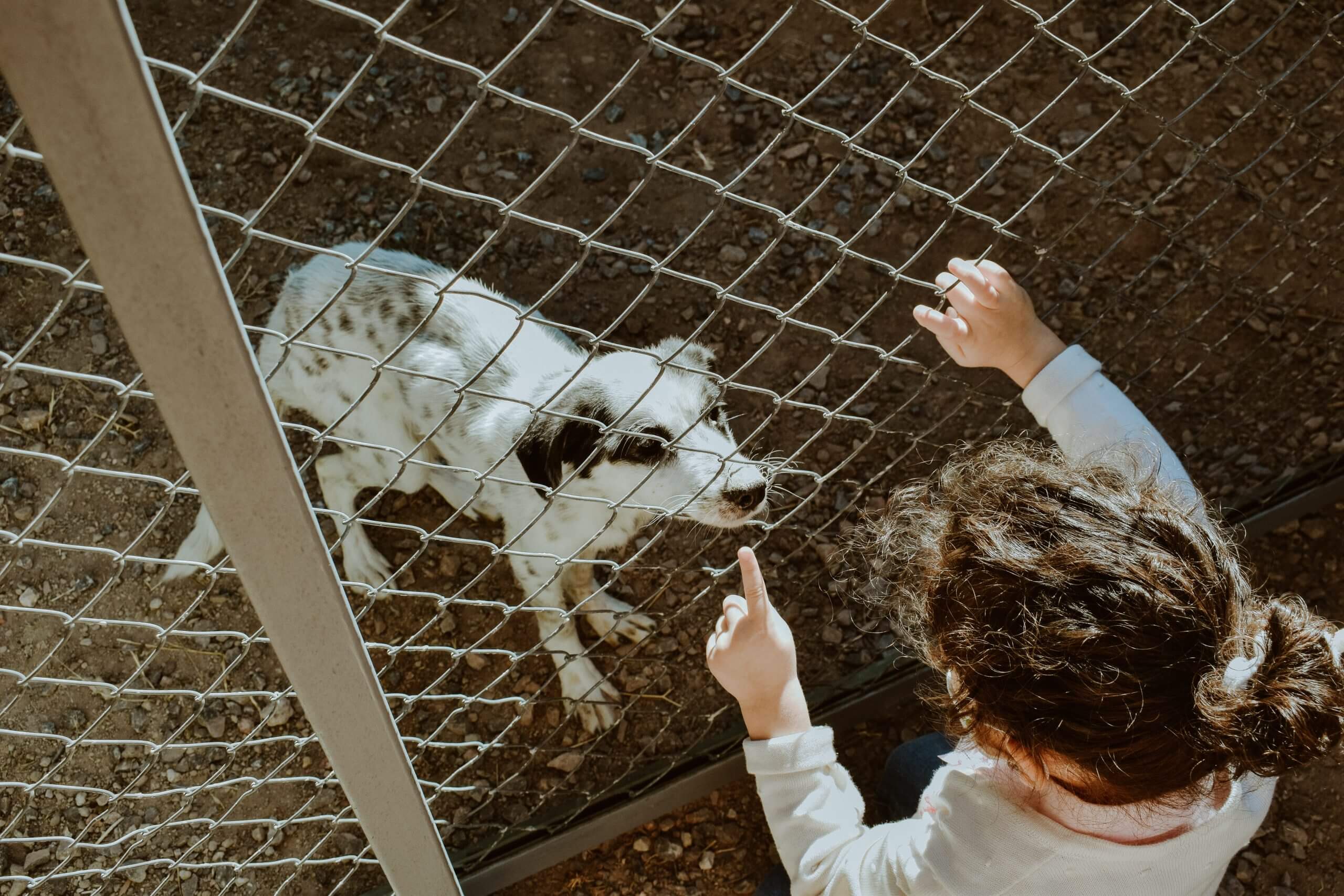
The Braque du Bourbonnais is a gentle and patient breed that generally gets along well with children. Their affectionate and loving nature makes them excellent family pets. It is important to teach children how to interact appropriately with dogs and always supervise playtime to ensure the safety of both the child and the dog.
Interacting with Other Pets:
The Braque du Bourbonnais typically gets along well with other pets, especially if properly socialized from a young age. Their friendly and adaptable nature allows them to coexist peacefully with other dogs and even smaller pets like cats. However, it’s essential to remember that individual personalities and temperaments may vary, and proper introductions and supervision are necessary when introducing a Braque du Bourbonnais to other pets in the household.
Conclusion:
The Braque du Bourbonnais is a unique and rare breed that offers a perfect blend of hunting prowess and loving companionship. Their gentle nature, intelligence, and adaptability make them ideal companions for a wide variety of households. By providing proper care, regular exercise, and a nurturing environment, you can enjoy the many wonderful qualities the Braque du Bourbonnais has to offer. Embrace the Braque du Bourbonnais as a steadfast and loyal canine friend, and experience the joy of having an affectionate, intelligent, and energetic companion by your side.