
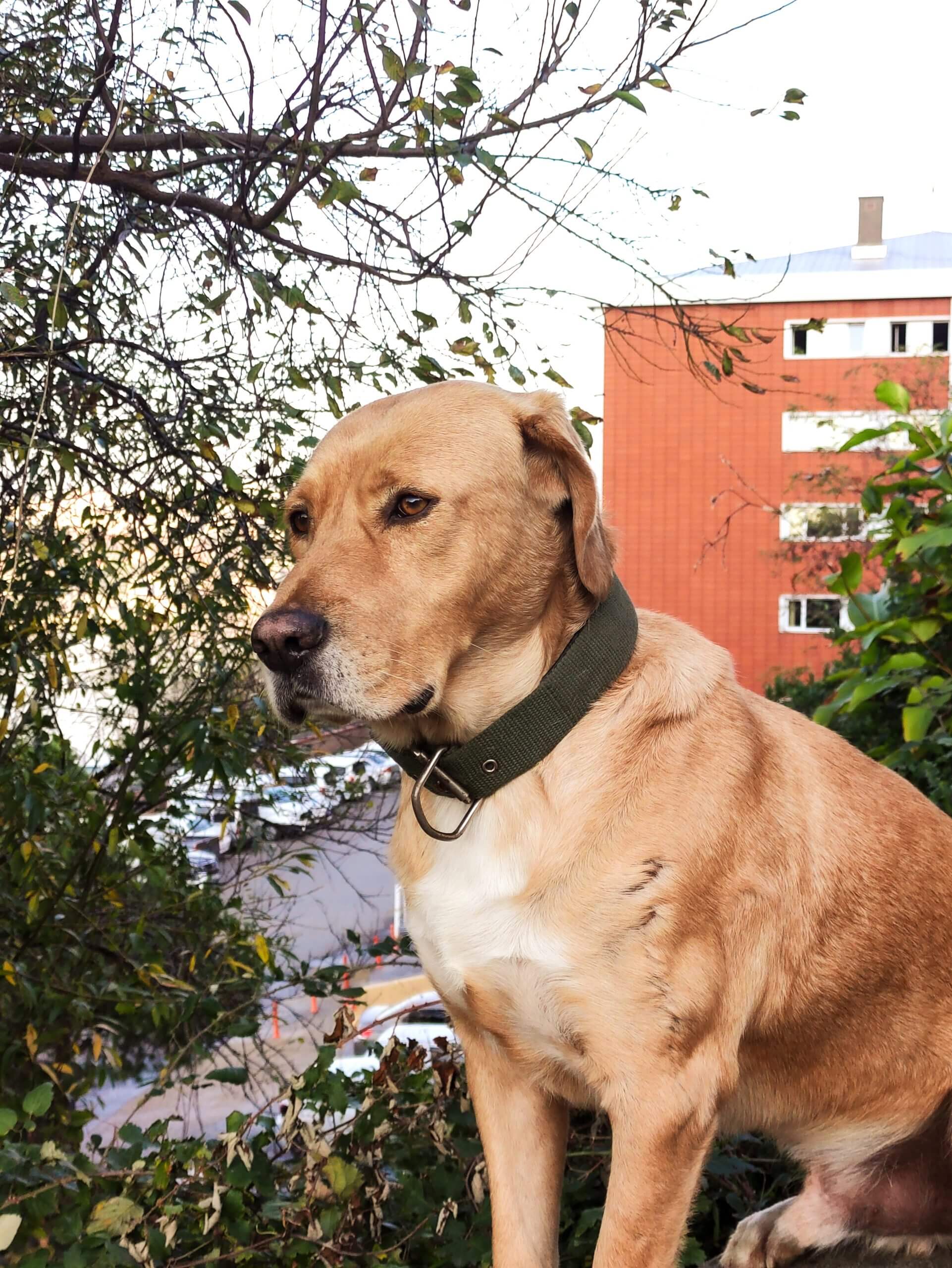
The Broholmer, also known as the Danish Broholmer, is a large and powerful dog breed with an imposing appearance, yet a gentle and loyal temperament. Originating in Denmark, this breed has a fascinating history and distinctive characteristics that make it stand out among other dog breeds. In this comprehensive guide, we will explore the Broholmer dog breed’s history, size, exercise requirements, personality, health concerns, care tips, feeding recommendations, coat colors, grooming needs, lifespan, and how it interacts with children and other pets.
History
The Broholmer breed traces its roots back to the Middle Ages in Denmark, where it was primarily used as a guard dog and hunting companion for large game such as deer and wild boar. The breed’s name is derived from Sehested of Broholm, a Danish nobleman who played a significant role in promoting and preserving the breed during the 18th century. By the late 19th century, the Broholmer’s popularity began to decline, and the breed nearly became extinct after World War II. However, through dedicated breeding efforts, the Broholmer was successfully revived in the 1970s and has since gained a loyal following in Denmark and beyond.
Size
The Broholmer is a large and powerful breed, with males typically standing between 27.5 to 29.5 inches tall at the shoulder and weighing 90 to 150 pounds, while females are slightly smaller, measuring 25.5 to 27.5 inches tall and weighing 80 to 120 pounds. Their sturdy and muscular build, combined with a broad head and strong jaws, give the Broholmer an imposing appearance.
Exercise
Despite their size and strength, Broholmers are not overly energetic dogs and require a moderate amount of daily exercise to maintain their physical and mental well-being. A daily walk of 30 to 45 minutes, along with some playtime in a securely fenced yard, should suffice for most Broholmers. However, it is crucial to avoid overexerting this breed, particularly in hot weather, as they are prone to overheating.
Personality
The Broholmer is known for its gentle and friendly temperament, making it a loyal companion and a loving family pet. They are affectionate and devoted to their human family members, often forming strong bonds with their owners. While they are generally good-natured and even-tempered, Broholmers can also be protective and vigilant, making them effective watchdogs when needed. Early socialization and consistent training are essential to ensure a well-rounded and well-behaved Broholmer.
Health
Broholmers are generally a healthy breed with a lifespan of 8 to 10 years, but they can be prone to certain health issues. These may include hip dysplasia, elbow dysplasia, and heart conditions such as dilated cardiomyopathy. Regular veterinary check-ups and preventive care, including vaccinations and parasite control, are essential for maintaining a Broholmer’s health and well-being.
Care
In addition to daily exercise, Broholmers require mental stimulation to keep them engaged and happy. Puzzle toys, obedience training, and interactive games can help challenge their minds and provide valuable bonding time with their owners. Socialization is also critical for this breed, as it helps prevent timidity and aggression towards unfamiliar people or situations.
Feeding
A balanced and nutritious diet is vital for maintaining a Broholmer’s health and energy levels. The breed’s dietary needs will vary depending on factors such as age, size, activity level, and individual metabolism. Consult your veterinarian to determine the most suitable diet and feeding schedule for your Broholmer.
Coat Color and Grooming
The Broholmer’s coat is short, dense, and relatively low-maintenance, with colors ranging from light fawn to deep reddish-brown, often accompanied by a black mask. Regular brushing, at least once a week, will help remove loose hair and keep the coat looking healthy and clean. Broholmers are moderate shedders, and occasional baths will help maintain their coats’ cleanliness and appearance.
Lifespan
With proper care, Broholmers typically live between 8 to 10 years. Ensuring a balanced diet, regular exercise, mental stimulation, and consistent veterinary care all contribute to the breed’s overall longevity and well-being.
Interacting with Children
Broholmers are generally good with children, making them a suitable choice for families. Their gentle and patient nature, combined with their protective instincts, endears them to younger family members. However, as with all dogs, it is essential to supervise interactions between children and dogs, teaching both how to interact appropriately and safely. Broholmers are large and powerful dogs, so it’s crucial to teach children not to engage in rough play or encourage behaviors that might lead to accidents or injuries.
Interacting with Other Pets
Broholmers can get along well with other pets, particularly if they are socialized early and consistently. Their calm and friendly demeanor allows them to coexist harmoniously with other dogs and animals, although their size and strength should be taken into account when introducing them to smaller pets. Proper training, socialization, and supervision are key to ensuring peaceful interactions between Broholmers and other pets in the household.
Conclusion
The Broholmer dog breed, with its gentle temperament and striking appearance, is a unique and loving companion. Its rich history, loyalty, and protective instincts make it an excellent choice for families and individuals alike. Proper care, feeding, exercise, and socialization are vital to ensure a happy and healthy life for this gentle giant. If you’re considering adding a Broholmer to your family, be prepared for a lifetime of love, companionship, and devotion from this remarkable breed.