
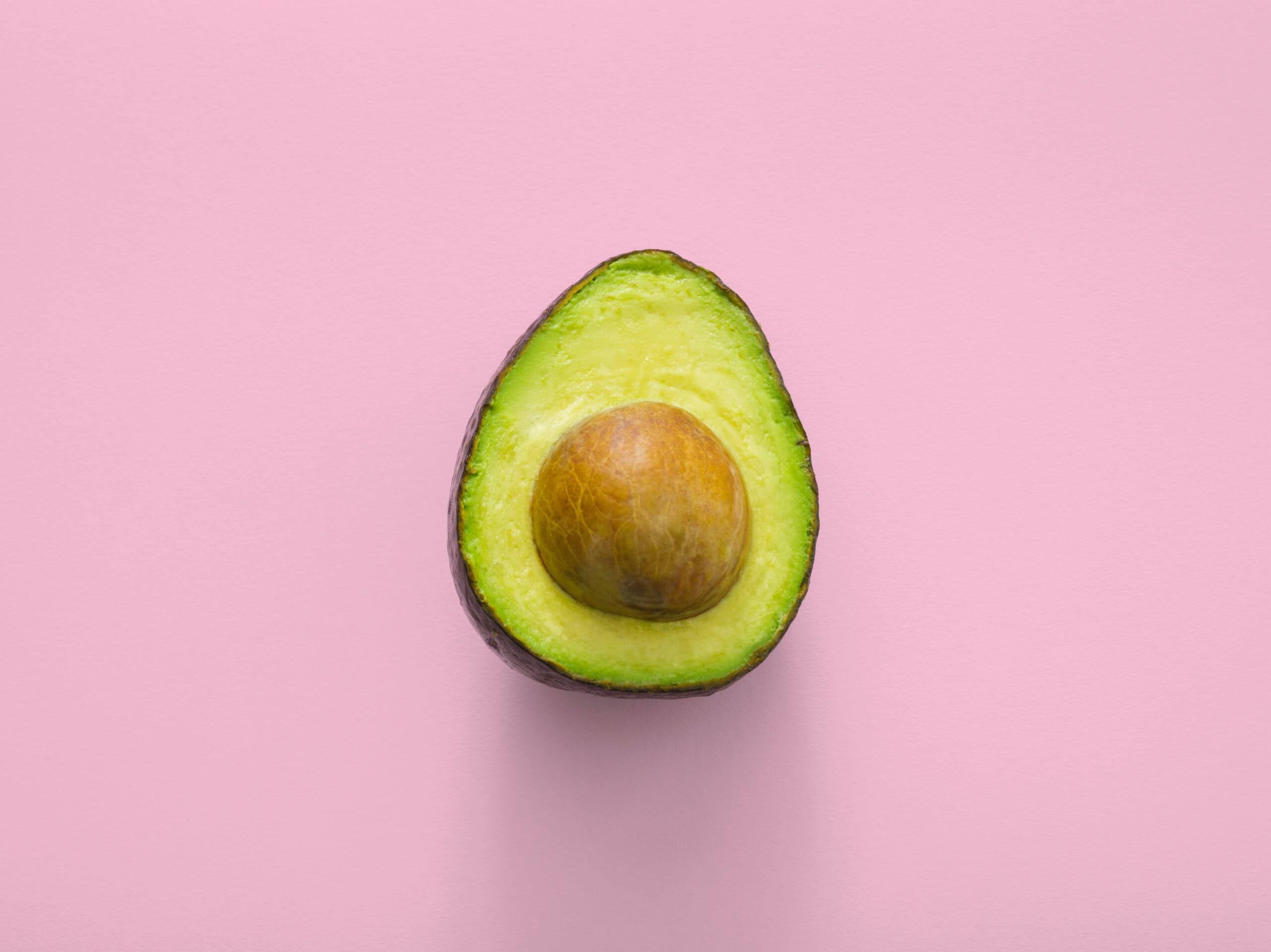
As a pet owner, it’s only natural to want the best for your furry friend. With the rise in popularity of healthy fats and nutrient-rich superfoods, avocados have taken center stage in many human diets. Their creamy texture and subtle flavor have made them a versatile addition to a variety of dishes. However, the question remains: Can our canine companions partake in the avocado craze? Is it safe for dogs to eat avocados?
There’s a bit of a twist in the tale here. Avocados contain a substance called persin, a fungicidal toxin that can cause health problems in several animals, especially birds and large mammals like horses. But what about dogs? Are they at risk too?
The answer is not straightforward. Dogs are relatively resistant to persin compared to other animals. However, that doesn’t mean they should be dining on avocados freely.
The persin in avocados is most concentrated in the plant’s leaves and bark, followed by the seed, with the least amount found in the ripe pulp that humans typically eat. While your dog is unlikely to chow down on an avocado tree, the seed or pit poses a real danger. It’s not only about the higher persin content, but the size and hardness of the seed can lead to choking or cause a blockage in the gastrointestinal tract, which could be life-threatening.
If you’re considering feeding your dog avocado, ensure it’s only the ripe flesh, devoid of any skin or pit. Also, like with any new food, start with a small amount to see how your dog reacts. While some dogs might have no adverse effects, others could show signs of upset stomach, including vomiting or diarrhea.
It’s worth noting that the high-fat content in avocados might also be an issue for some dogs. While avocados provide healthy monounsaturated fats, too much fat can lead to pancreatitis in dogs, a serious condition that requires immediate veterinary attention.
So, can dogs eat avocados? Technically, yes – but with significant caveats. It’s crucial to remove the skin and seed, moderate the amount, and monitor your dog closely for any adverse reactions. And when in doubt, it’s always best to consult your vet.
Remember, each dog is an individual, and what might be a tasty treat for one could be problematic for another. The health and happiness of your pet should always be the guiding principle when introducing new foods into their diet.
To wrap up, while avocados are not inherently toxic to dogs, they should be offered cautiously, if at all, due to potential risks. Always prioritize your pet’s safety and wellbeing, and consult with a professional when in doubt.