
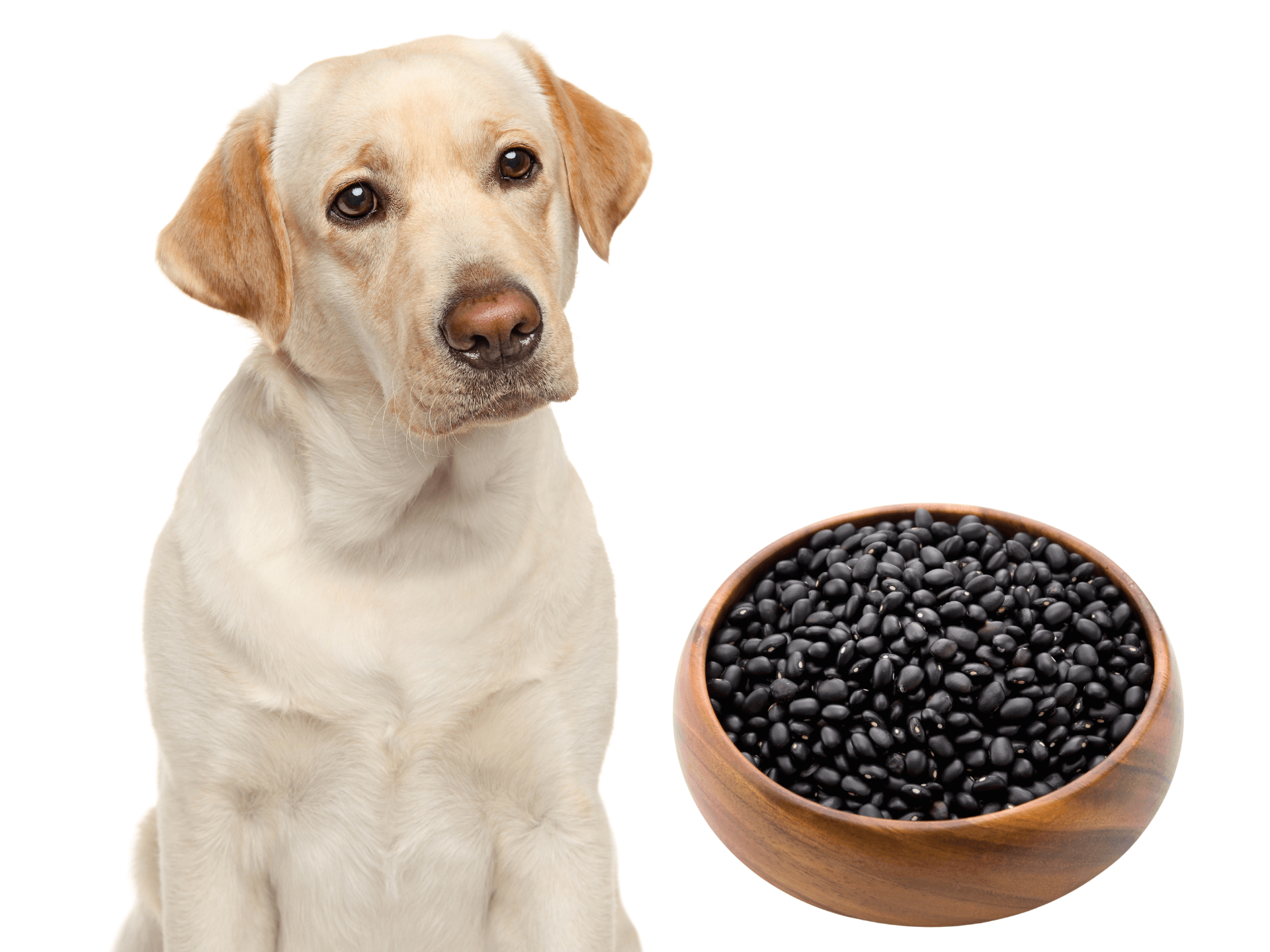
When it comes to deciphering what foods are suitable for our beloved canines, the task can be as challenging as it is vital. Among the myriad questions that pop up in the realm of dog nutrition, one such inquiry is whether black beans are safe for dogs. This nutritious legume is a staple in many human diets, but does it hold the same nutritional value and safety for our four-legged friends?
Black beans, often hailed as a nutritional powerhouse in human diets, boast a rich profile of protein, fiber, and various vitamins and minerals. However, translating these nutritional values directly to our dogs requires a more nuanced understanding of canine digestion and dietary needs.
In essence, black beans are not toxic to dogs. When properly prepared and given in moderation, they can serve as a nutrient-dense addition to your dog’s diet. The high protein content can support muscle development, fiber can promote digestive health, and the abundance of vitamins and minerals can contribute to overall well-being.
However, there are several crucial considerations. Firstly, black beans should always be served cooked and unseasoned. Raw beans contain phytohaemagglutinin, a toxin that can lead to poisoning in dogs. This toxin is neutralized through cooking. Furthermore, avoid adding salt or any other seasonings that could be harmful to your pet.
Secondly, remember that moderation is key. Despite their nutritional content, black beans are high in carbohydrates, and excessive intake could potentially lead to weight gain. Dogs primarily need a protein-based diet, so beans should never replace meat in their meals but can serve as an occasional supplement.
In some cases, dogs may experience digestive discomfort, such as gas or upset stomach, after eating beans due to their high fiber content. It’s always a good idea to introduce new foods slowly and watch for any adverse reactions.
Lastly, and perhaps most importantly, always consult your veterinarian before making significant changes to your dog’s diet. Individual dogs have unique dietary needs and tolerances, and your vet can provide the best advice tailored to your pet’s health.
In summary, while black beans can be a safe and nutritious addition to your dog’s diet, they must be cooked, unseasoned, and served in moderation. Being an informed and proactive pet owner is paramount to ensuring your furry friend’s optimal health and happiness.