
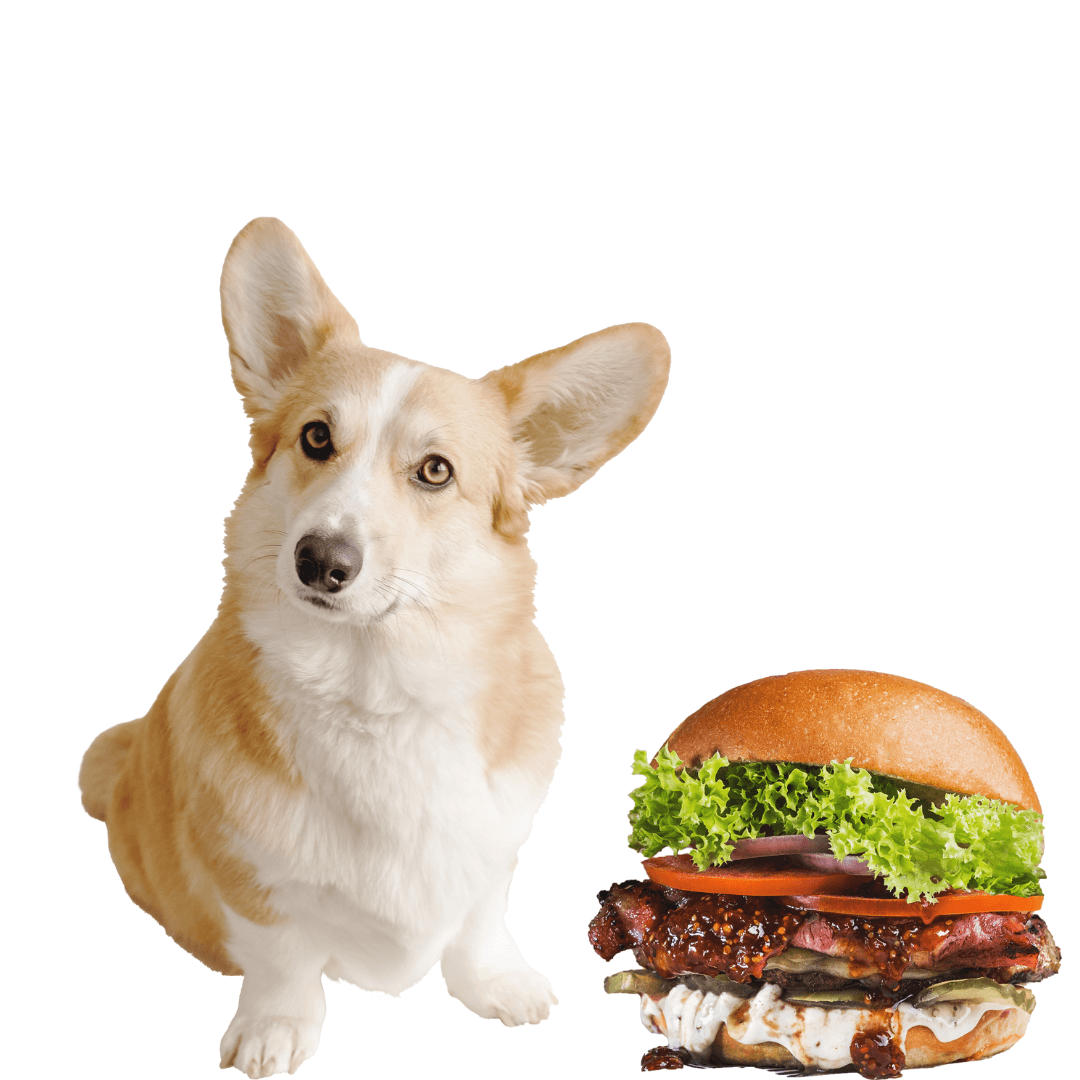
Many dog owners find it difficult to resist the pleading eyes of their pet when they’re enjoying a meal. Hamburgers are a common delight, but is it okay to slip one under the table to your furry friend?
To put it simply, while dogs can eat hamburgers, they aren’t the best choice for your pet’s health. Now, let’s delve into the reasons why.
Hamburgers are typically high in fat and calories, which aren’t good for dogs, especially in large quantities. Over time, a diet rich in these could lead to obesity and related health issues such as diabetes or heart disease. The salt content in hamburgers is also a concern. Dogs require much less sodium than humans, and excessive salt intake can lead to dehydration and high blood pressure among other conditions.
Beyond the basic composition, it’s also important to consider the extras that often accompany hamburgers. Onions and garlic, which are common in seasonings and toppings, are toxic to dogs and can lead to severe health problems like anemia. Similarly, certain condiments, such as ketchup or mayonnaise, can contain ingredients harmful to dogs, including xylitol, a sweetener that is extremely toxic to our canine friends.
So, should you avoid giving hamburgers to your dog altogether? Not necessarily.
If you wish to share a burger with your dog, you need to ensure it’s prepared in a dog-friendly way. This means a plain, cooked burger patty with no seasonings, onions, garlic, or unsafe condiments. Also, it’s essential that the meat is fully cooked to avoid the risk of bacterial contamination, such as Salmonella or E.coli, which can be harmful to both pets and humans.
Remember, even a plain hamburger should only be offered as an occasional treat and not become a regular part of your dog’s diet. Also, due to the size and richness of hamburgers, they may be more suitable for larger dog breeds. Smaller dogs could become sick or choke on a piece that’s too large.
In conclusion, while a small, plain hamburger isn’t necessarily harmful to your dog, there are healthier options available when it comes to treating or supplementing your dog’s diet. Always consult your vet if you’re considering significant changes to your dog’s diet or if you have concerns about what foods are safe.