
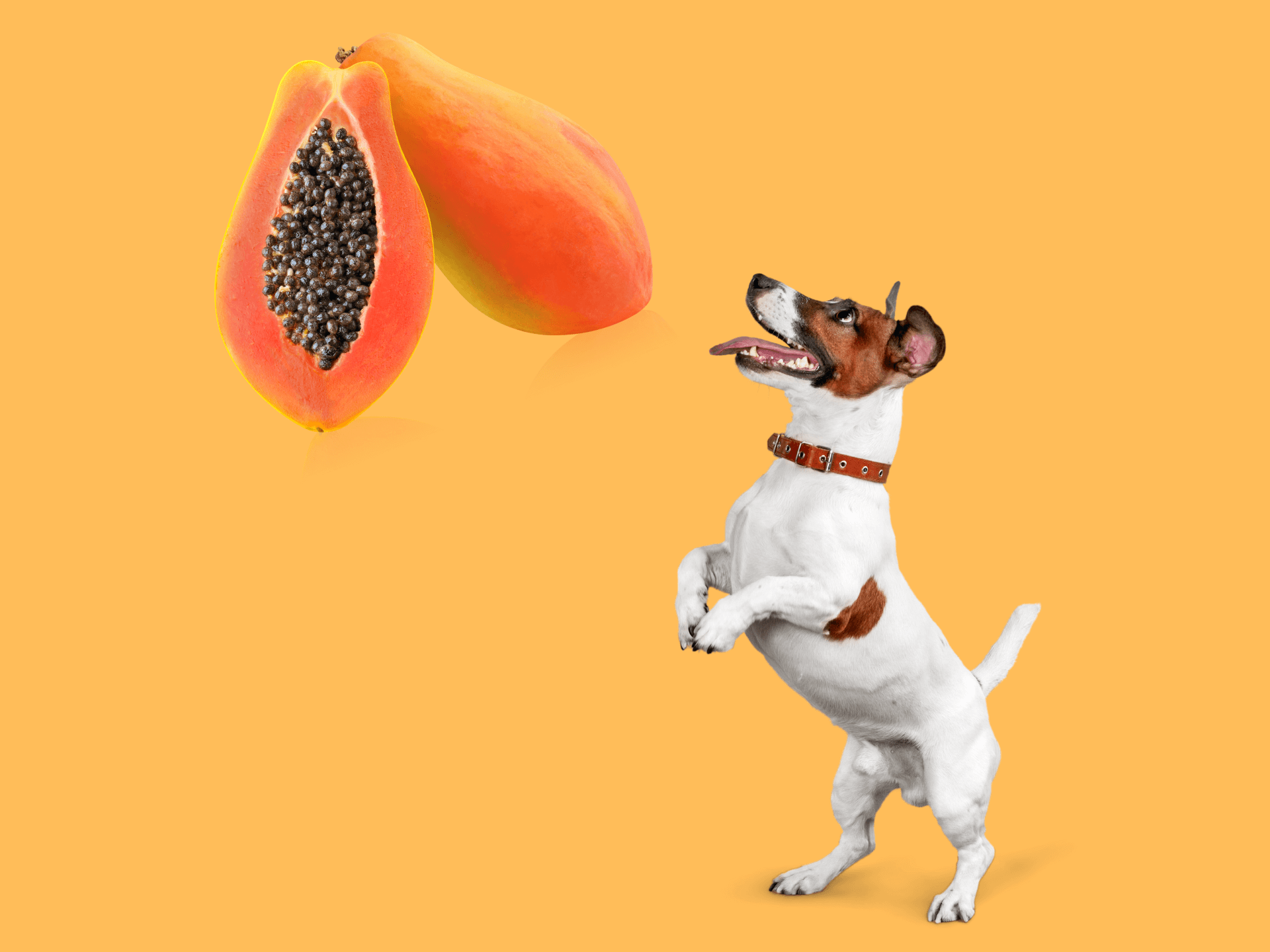
Papaya, with its sweet tropical flavor, vibrant color, and numerous health benefits, is a favorite among many fruit lovers. This fleshy fruit is a powerhouse of essential nutrients and enzymes that aid digestion and boost immunity in humans. But can the same benefits be extended to our four-legged friends? Is it safe for dogs to indulge in this delicious treat?
Let’s cut to the chase – yes, dogs can safely eat papaya. However, as is the case with all foods beyond their regular dog food, there are some important caveats and guidelines to be aware of.
Papaya is replete with essential vitamins, such as vitamins A, C, E, and K, as well as dietary fiber and antioxidants. These nutrients can support your dog’s immune system, promote good eyesight, and aid in digestion. Plus, the enzyme papain found in papaya helps break down proteins, which can be beneficial for dogs with digestive issues.
However, feeding your dog papaya requires some preparation and caution. First, the papaya should be ripe, as unripe papaya can cause stomach upset in dogs. The skin and seeds should be completely removed. Papaya seeds contain small amounts of cyanide and can be a choking hazard, while the skin is difficult for dogs to digest.
Secondly, serve papaya in moderation. Even though it’s a healthy fruit, papaya is high in sugar. Too much can lead to obesity and other health problems over time.
Lastly, every dog is unique, and so are their dietary needs and tolerances. Introduce papaya slowly into their diet and keep a close eye for any adverse reactions such as stomach upset or allergic reactions. If your dog exhibits any signs of discomfort, stop feeding them papaya and consult with your vet.
While papaya can make for a nutritious, tasty treat for your dog, remember that the bulk of their diet should consist of high-quality, balanced dog food specifically designed for their age, breed, and health status. Always consult with your vet before making any significant changes to your pet’s diet.