
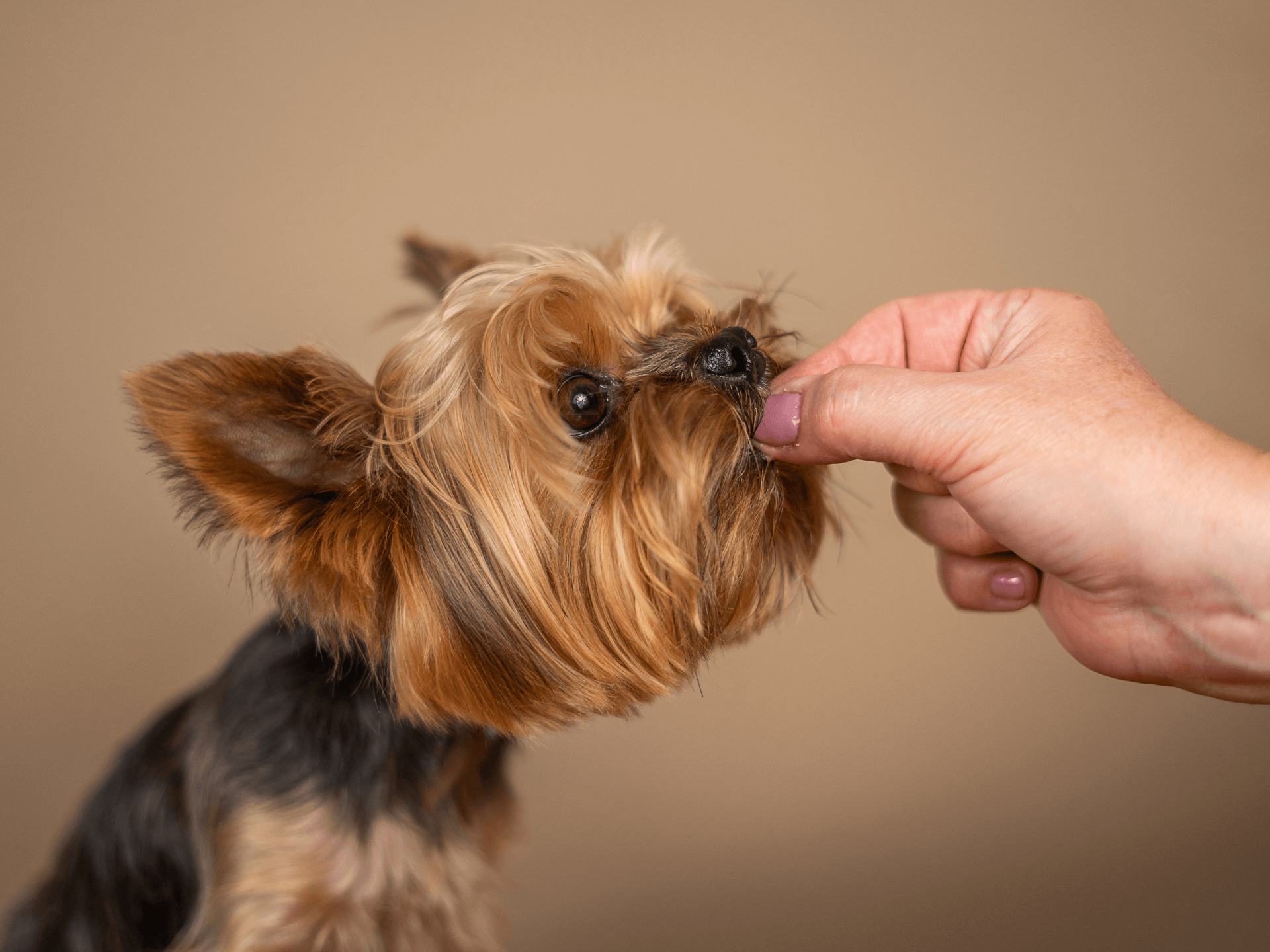
Peanuts are a popular snack for humans, packed with protein, healthy fats, and essential nutrients. But are they safe for your furry friend? Let’s explore the pros and cons of feeding peanuts to dogs and learn how to serve them responsibly.
The Benefits of Peanuts for Dogs
- Nutrient-dense Treat
Peanuts are a great source of protein, healthy fats, vitamins, and minerals, which can benefit your dog’s overall health. They contain essential nutrients such as vitamin E, B vitamins, and magnesium, which support immune function, skin and coat health, and bone development.
- Energy Boost
The healthy fats found in peanuts provide a concentrated source of energy, making them a suitable treat for active dogs. However, it’s crucial to serve peanuts in moderation due to their high calorie and fat content.
Potential Risks of Feeding Peanuts to Dogs
Although peanuts can be a nutritious snack for dogs, there are some risks to consider:
- High Fat Content
Peanuts are high in fat, which can lead to weight gain and obesity if consumed in large quantities. Additionally, excessive fat intake can contribute to pancreatitis, a painful and potentially life-threatening condition.
- Choking Hazard
Whole peanuts can pose a choking risk, especially for smaller dogs. Always supervise your dog while they enjoy peanuts and consider serving them crushed or chopped to minimize choking hazards.
- Allergies and Sensitivities
Just like humans, dogs can be allergic or sensitive to peanuts, causing symptoms such as itching, vomiting, diarrhea, or difficulty breathing. If you suspect your dog has a peanut allergy, consult your veterinarian immediately.
- Salt and Seasonings
Many store-bought peanuts come salted or seasoned, which can be harmful to dogs. Excessive salt intake can lead to sodium ion poisoning, while some seasonings, like garlic or onion powder, are toxic to dogs. Always choose unsalted, unseasoned peanuts for your pet.
Serving Peanuts to Your Dog: Tips and Tricks
- Opt for Unsalted, Unseasoned Peanuts
Always choose plain, unsalted, and unseasoned peanuts for your dog. Avoid peanuts coated in sugar, chocolate, or other harmful additives.
- Serve Peanuts in Moderation
Due to their high fat content, peanuts should be served in moderation. Start with a small amount and consult your veterinarian for guidance on appropriate serving sizes based on your dog’s size, weight, and overall health.
- Prepare Peanuts Safely
Remove any shells before serving peanuts to your dog, as they can be a choking hazard or cause digestive issues. Crush or chop peanuts into smaller pieces to further minimize choking risks.
- Monitor Your Dog Closely
Observe your dog for any signs of an allergic reaction or discomfort after consuming peanuts. If you notice any adverse reactions, stop feeding peanuts immediately and consult your veterinarian.
Conclusion
Peanuts can be a nutritious and tasty treat for dogs when served responsibly. To ensure your dog’s safety, choose plain, unsalted, unseasoned peanuts, and serve them in moderation. Consult with your veterinarian before introducing peanuts into your dog’s diet, and monitor them closely for any signs of allergies or discomfort. By taking these precautions, you can provide a healthy and enjoyable snack for your canine companion.