
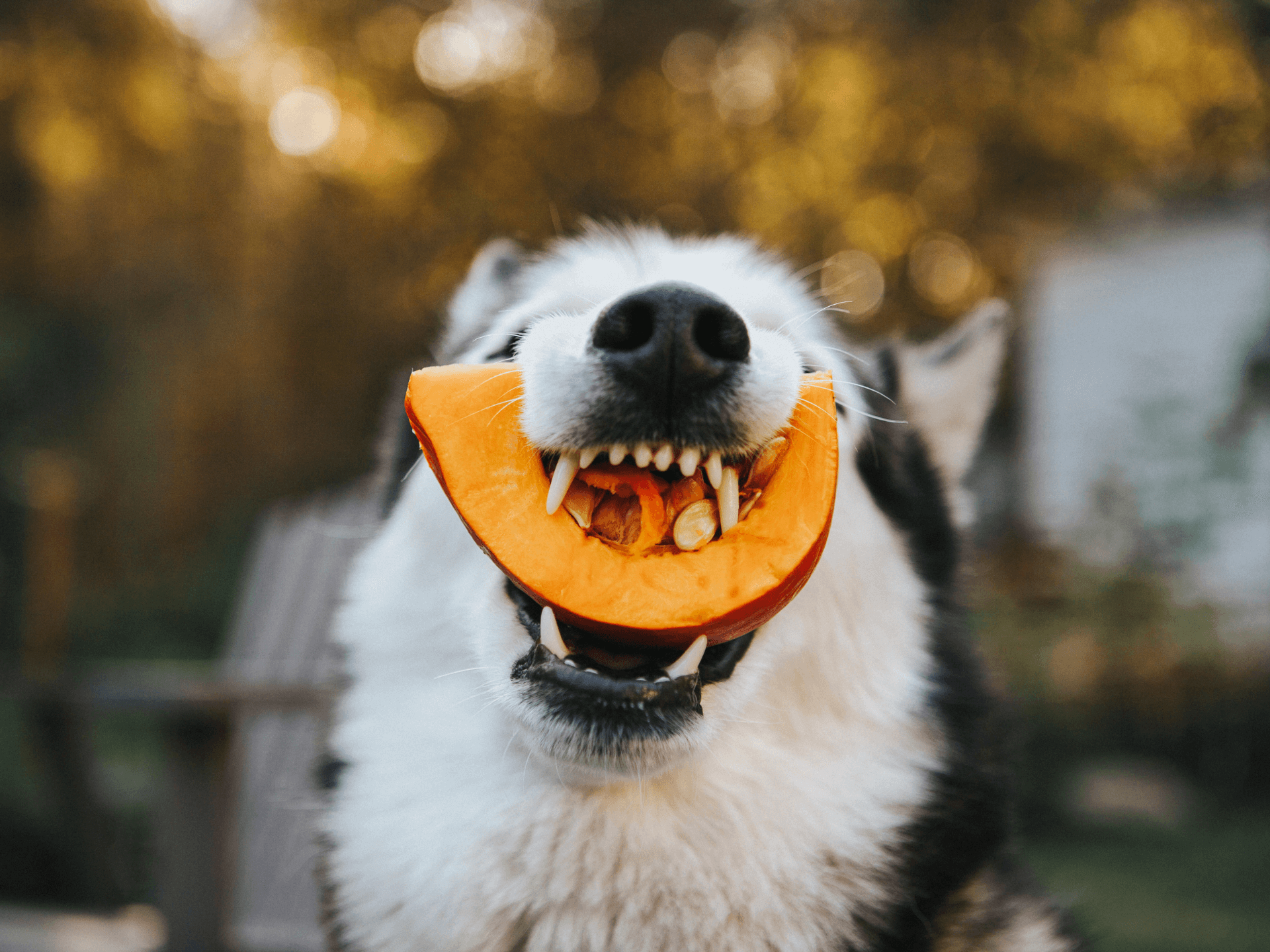
Pumpkin is a nutritious and versatile vegetable, packed with vitamins, minerals, and fiber. But can our canine companions enjoy pumpkin as well? Let’s dive into the benefits and potential risks of feeding your dog pumpkin, along with tips on how to serve this tasty treat safely.
The Benefits of Pumpkin for Dogs
- High in Nutrients
Pumpkin is an excellent source of essential vitamins and minerals, such as vitamin A, vitamin C, and potassium. These nutrients can help support your dog’s immune system, vision, and overall health.
- Rich in Fiber
Pumpkin is high in fiber, which can aid in digestion and help maintain regular bowel movements. This makes pumpkin an excellent natural remedy for dogs suffering from constipation or diarrhea.
- Low in Calories
Pumpkin is low in calories and can be an excellent treat for dogs on a weight management plan. Replacing a portion of your dog’s regular food with pumpkin can help them feel fuller without adding excess calories.
Potential Risks of Feeding Pumpkin to Dogs
While pumpkin can be a healthy treat for dogs, there are a few potential risks to consider:
- Excessive Vitamin A
Feeding your dog too much pumpkin can lead to an excessive intake of vitamin A, which can be toxic in large amounts. Stick to moderate portions and consult with your veterinarian to determine the appropriate serving size for your dog.
- Choking Hazard
Pumpkin seeds and large chunks of pumpkin can pose a choking hazard for your dog, especially smaller breeds. Always remove seeds and cut pumpkin into bite-sized pieces to prevent choking.
- Allergic Reactions
Some dogs may be allergic to pumpkin, leading to symptoms such as itching, swelling, or gastrointestinal distress. Introduce pumpkin in small amounts and monitor your dog for any signs of an allergic reaction.
Serving Pumpkin to Your Dog: Tips and Tricks
- Choose the Right Pumpkin
Opt for plain, canned pumpkin puree or fresh pumpkin. Avoid canned pumpkin pie filling, which contains added sugars and spices that can be harmful to dogs.
- Start with Small Portions
Introduce pumpkin gradually to your dog’s diet, starting with small portions to monitor their reaction and tolerance. Adjust the serving size as needed under the guidance of your veterinarian.
- Prepare Pumpkin Properly
If using fresh pumpkin, remove the seeds and skin, and cook it until soft. You can then puree or mash the pumpkin to make it easier for your dog to digest. For canned pumpkin, ensure it is plain and free from added sugars and spices.
- Mix Pumpkin with Your Dog’s Food
Combine a small amount of pumpkin with your dog’s regular food to help them get accustomed to the new flavor and texture. This method can also help improve their digestive health and add variety to their diet.
Conclusion
Pumpkin can be a healthy and delicious treat for your dog when served in moderation and prepared correctly. With its high nutrient content and low-calorie profile, pumpkin is an excellent addition to your dog’s diet, especially for those with digestive issues or weight management concerns. Always consult with your veterinarian before making significant changes to your dog’s diet and monitor them closely for any signs of an allergic reaction or intolerance.