
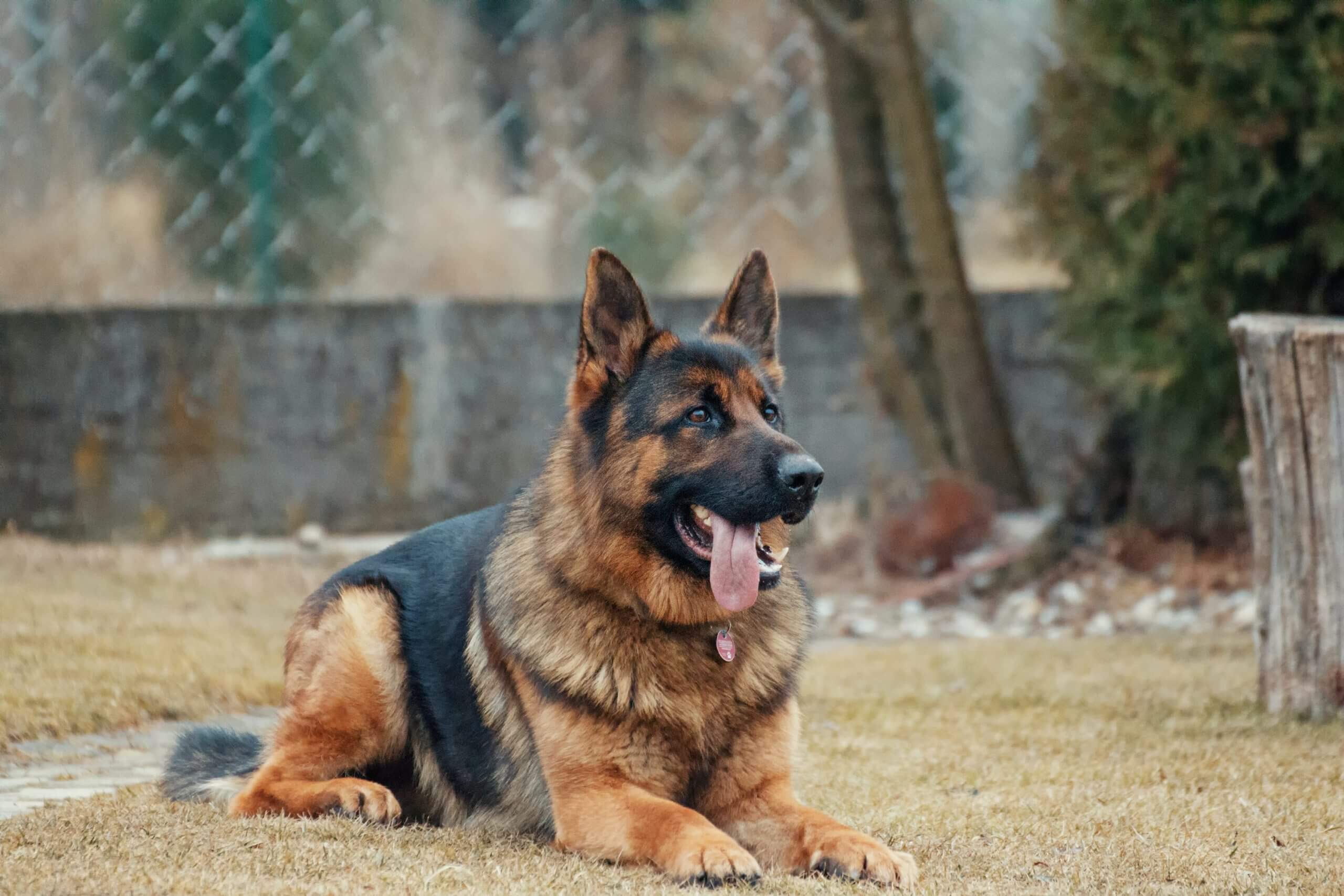
The German Shepherd is a widely recognized and beloved dog breed known for its intelligence, loyalty, and versatility. In this comprehensive guide, we will delve into the German Shepherd’s history, size, exercise requirements, personality traits, health concerns, care, feeding, coat colors, grooming, lifespan, and interactions with children and other pets. Discover why this breed is considered one of the most remarkable and well-rounded dog breeds in the world.
History
The German Shepherd’s origins can be traced back to the late 19th century in Germany, where it was initially bred as a herding and working dog. Captain Max von Stephanitz, a German dog breeder, is credited with developing the breed by selectively breeding various shepherd dogs to create a versatile, intelligent, and hardworking canine. German Shepherds quickly gained popularity for their capabilities and eventually became valuable assets in police work, military roles, search and rescue, and service dog roles, among others.
Size
The German Shepherd is a large, muscular, and agile breed, standing between 22 to 26 inches tall and weighing between 50 to 90 pounds. Males are generally larger than females, and their powerful build lends them an air of athleticism and strength.
Exercise
German Shepherds are a highly energetic breed that requires daily physical activity to stay healthy and content. They thrive on regular walks, jogs, and engaging play sessions. This breed also excels in dog sports, such as obedience, agility, tracking, and herding trials. Providing adequate exercise is essential to prevent boredom and the development of destructive behaviors.
Personality
German Shepherds are known for their loyal, intelligent, and protective nature. They are quick learners and enjoy being mentally challenged. These dogs are also very devoted to their families, making them excellent watchdogs and companions. However, their protective instincts can lead to wariness around strangers, so early socialization is crucial to ensure they are well-adjusted and tolerant.
Health
German Shepherds are generally healthy, but they can be prone to certain health issues. Common concerns include hip dysplasia, elbow dysplasia, degenerative myelopathy, and bloat. Regular veterinary check-ups, along with responsible breeding practices, can help minimize these risks. The average lifespan of a German Shepherd is between 9 to 13 years.
Care
As a working breed, German Shepherds require mental stimulation in addition to physical exercise. Providing puzzle toys and training sessions can keep them engaged and content. Their protective instincts make early socialization and consistent training essential to ensure they grow up to be well-rounded and well-behaved dogs.
Feeding
A well-balanced diet, tailored to their age, size, and activity level, is essential for the overall health and well-being of German Shepherds. High-quality dog food, whether commercially prepared or home-cooked, should be provided. It is always recommended to consult with a veterinarian to determine the appropriate diet for your specific dog.
Coat Color
German Shepherds have a double coat that comes in a variety of colors and patterns. The most common coat colors are black and tan, black and red, and solid black. Other colors include sable, blue, liver, and white, although the latter two are considered disqualifying faults in the show ring. Their coats are relatively low-maintenance but do require regular grooming.
Grooming
Grooming a German Shepherd is essential to maintain a healthy coat and minimize shedding. Regular brushing with a slicker brush or undercoat rake will help remove loose hair and prevent matting. Bathing is only necessary when they are dirty or have an unpleasant odor. As with all dog breeds, regular nail trimming, ear cleaning, and dental care are essential components of grooming.
Lifespan
The average lifespan of a German Shepherd is between 9 to 13 years. Providing proper care, nutrition, and regular veterinary check-ups can help ensure your German Shepherd enjoys a long and fulfilling life.
Interacting with Children
German Shepherds can be excellent family pets when properly socialized and introduced to children early on. They are generally good with kids, displaying patience and a protective nature. However, due to their size and energetic personalities, it is essential to teach children how to interact appropriately with the dog and supervise their playtime. This will help ensure a harmonious relationship between the dog and the younger members of the family.
Interacting with Other Pets
German Shepherds can coexist peacefully with other dogs and pets when properly socialized. However, their herding instincts and protective nature can sometimes lead to issues with other animals. Early socialization and supervised interactions are essential to help them develop positive relationships with other pets in the household.
Conclusion
The German Shepherd is an iconic breed renowned for its intelligence, loyalty, and versatility. Their energetic nature and protective instincts make them excellent companions for families and individuals who can provide the necessary exercise, mental stimulation, and consistent training. With proper care, socialization, and grooming, the German Shepherd can be a wonderful addition to any home, providing years of love, loyalty, and companionship.