
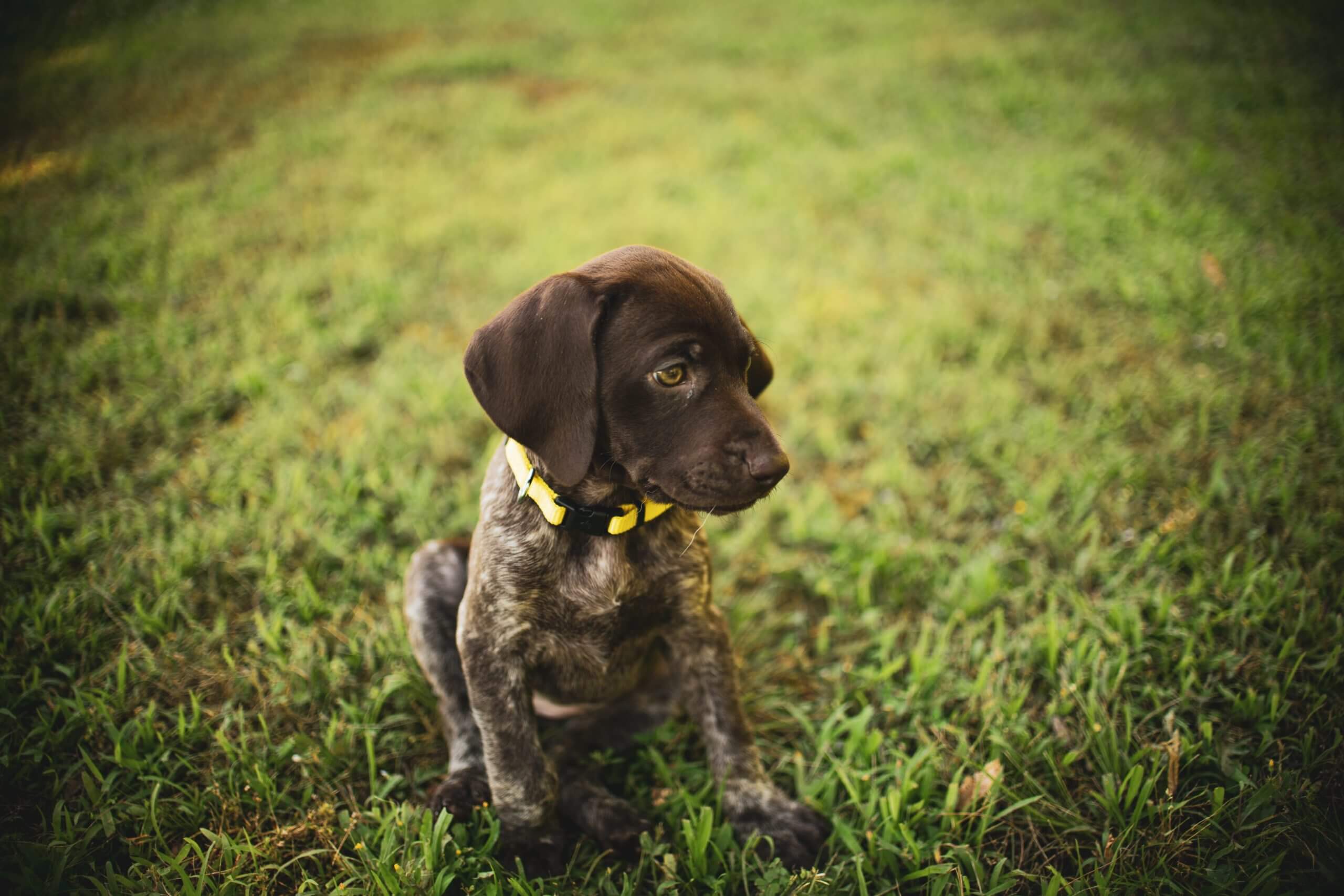
The German Wirehaired Pointer (GWP) is a hardy and adaptable breed, prized for its hunting abilities and resilience in various terrains and weather conditions. This breed boasts a distinctive coat and a strong work ethic, making it an ideal companion for hunting enthusiasts and active families. In this comprehensive guide, we’ll explore the German Wirehaired Pointer’s history, size, exercise requirements, personality, health concerns, care, feeding, coat colors, grooming, lifespan, and interactions with children and other pets. Discover why this versatile and intelligent breed has captivated the hearts of dog lovers worldwide.
History
The German Wirehaired Pointer originated in Germany during the late 19th century, bred to create a versatile hunting dog with a durable, weather-resistant coat. Breeders crossed various hunting breeds, such as the Griffon, Pudelpointer, and Stichelhaar, with the German Shorthaired Pointer to achieve the desired traits. The result was an all-purpose gundog, skilled in pointing, tracking, and retrieving on both land and water. The breed was recognized by the American Kennel Club in 1959, steadily gaining popularity in the United States.
Size
German Wirehaired Pointers are medium to large-sized dogs. Males typically stand between 24 and 26 inches tall and weigh 60 to 70 pounds, while females stand between 22 and 24 inches and weigh 50 to 60 pounds.
Exercise
The GWP is an energetic and athletic breed that requires daily physical activity to maintain optimal health and happiness. Long walks, runs, hikes, and swimming sessions are excellent ways to keep these dogs engaged and fit. German Wirehaired Pointers also excel in dog sports such as agility, obedience, and field trials. Sufficient exercise is crucial to prevent boredom and reduce the likelihood of destructive behaviors.
Personality
The German Wirehaired Pointer is known for its intelligence, independence, and enthusiasm. These dogs form strong bonds with their owners and are eager to please, making them highly trainable. They are affectionate and loyal to their families but can be reserved with strangers. Their strong hunting instincts and high energy levels make them unsuitable for sedentary households. Early socialization and consistent training are essential to ensure they develop into well-adjusted and well-behaved pets.
Health
Generally, GWPs are a healthy breed but can be prone to certain health issues, such as hip dysplasia, elbow dysplasia, and entropion. Regular veterinary check-ups and responsible breeding practices can help minimize these risks. The average lifespan of a German Wirehaired Pointer is around 12 to 14 years.
Care
German Wirehaired Pointers benefit from mental stimulation in addition to physical exercise. Providing puzzle toys, training sessions, and interactive games can help channel their intelligence and energy. Consistent training and early socialization are essential for this breed, as they have strong hunting instincts and may be prone to chasing smaller animals.
Feeding
A well-balanced diet tailored to their age, size, and activity level is essential for the overall health and well-being of German Wirehaired Pointers. High-quality dog food, whether commercially prepared or home-cooked, should be provided. Consult with a veterinarian to determine the appropriate diet for your specific dog.
Coat Color
The German Wirehaired Pointer has a distinctive, weather-resistant coat that consists of a dense, wiry outer coat and a thick, soft undercoat. Coat colors can range from liver and white to solid liver, often with a mottled or ticked pattern.
Grooming
Grooming a German Wirehaired Pointer requires more effort than its shorthaired counterpart. Their wiry coat needs regular brushing with a slicker brush or a comb to remove loose hair and prevent matting. Stripping the coat every few months can help maintain its texture and appearance. Bathing should be done only when necessary to preserve the coat’s natural oils.
Lifespan
German Wirehaired Pointers have an average lifespan of 12 to 14 years. Providing proper care, a well-balanced diet, and regular veterinary check-ups can contribute to a longer, healthier life for your GWP.
Interacting with Children
German Wirehaired Pointers can make excellent family pets when raised with children and socialized early. They are typically patient, gentle, and protective of the youngsters in their household. However, due to their size and energy levels, supervision during playtime is recommended, especially with younger children who may be unintentionally knocked over.
Interacting with Other Pets
While German Wirehaired Pointers can coexist peacefully with other dogs, their strong hunting instincts may make them unsuitable for homes with smaller pets like cats or rodents. Early socialization and proper introductions are key to helping GWPs develop positive relationships with other animals in the household. It’s essential to supervise interactions, especially in the beginning, to ensure harmony among your pets.
Conclusion
The German Wirehaired Pointer is a versatile, intelligent, and hardworking breed, perfect for hunting enthusiasts and active families alike. These dogs thrive in homes where they can engage in physical and mental activities daily. With proper training, socialization, and care, a German Wirehaired Pointer can make a loyal, affectionate, and spirited companion. If you’re considering welcoming a GWP into your home, be prepared to commit to their exercise needs and enjoy a rewarding relationship with this exceptional breed.