
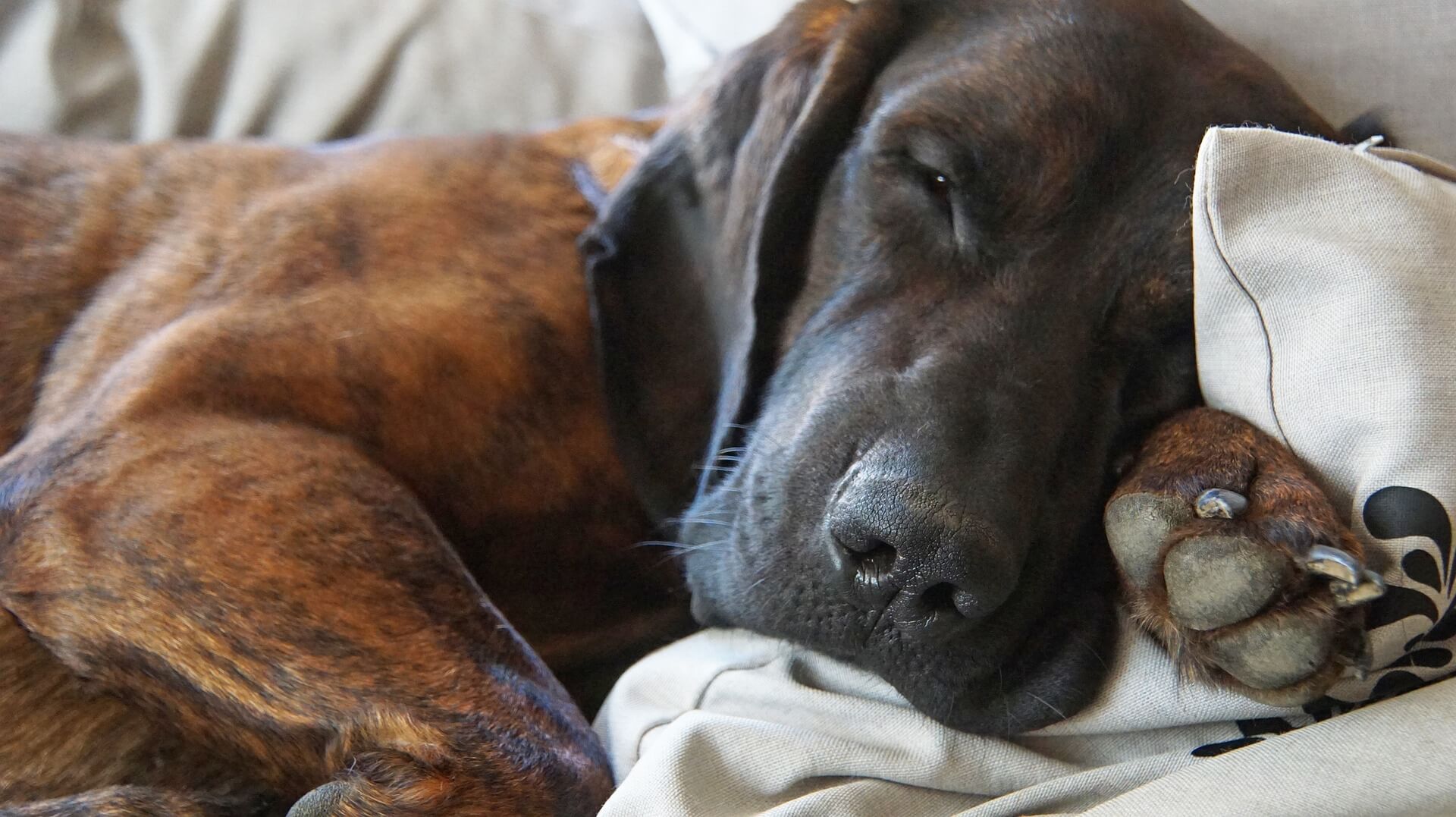
The Hanoverian Scenthound, also known as the Hanover Hound, is a rare and distinctive dog breed originating from Germany. Developed for their exceptional scenting abilities and hunting prowess, these dogs are prized for their endurance, focus, and loyalty. In this comprehensive guide, we will explore the history, size, exercise requirements, personality, health, care, feeding, coat color, grooming, lifespan, interaction with children, and compatibility with other pets of the Hanoverian Scenthound.
History:
The Hanoverian Scenthound can be traced back to the early 18th century in the region of Hanover, Germany. Initially bred for tracking and hunting large game such as deer and wild boar, the breed is a descendant of the now-extinct ancient Scenthounds known as Liam Hounds. As hunting practices evolved, the breed’s role gradually shifted to tracking wounded game, earning them a reputation for their excellent scenting abilities and determination.
Size:
Hanoverian Scenthounds are medium to large-sized dogs, standing between 19 and 22 inches at the shoulder and weighing between 80 and 99 pounds. Their muscular and sturdy build is well-suited for their role as working dogs, enabling them to navigate challenging terrain with ease.
Exercise:
As a working breed, Hanoverian Scenthounds require a significant amount of daily exercise to maintain their physical and mental well-being. A minimum of 60 to 90 minutes of daily activity, including walks, playtime, and scenting exercises, is recommended. These dogs excel in scent work, tracking, and other activities that engage their natural abilities and instincts.
Personality:
Hanoverian Scenthounds are known for their loyalty, focus, and determination. They form strong bonds with their owners and are eager to please, making them relatively easy to train. However, due to their strong hunting instincts, they can be single-minded and may not be the best choice for first-time dog owners. Early socialization and consistent, positive training methods are essential for developing a well-rounded and obedient Hanoverian Scenthound.
Health:
Hanoverian Scenthounds are generally healthy dogs, but like all breeds, they can be prone to certain health issues. Some potential concerns include hip dysplasia, ear infections, and bloat. Regular veterinary check-ups and preventative care can help ensure your Hanoverian Scenthound stays healthy throughout their life.
Care:
Consistent care is essential to maintain the overall well-being of your Hanoverian Scenthound. This includes regular grooming, dental care, and nail trimming. Ensure your dog receives all necessary vaccinations and stays up-to-date with parasite prevention treatments.
Feeding:
Hanoverian Scenthounds should be fed high-quality dog food appropriate for their age, size, and activity level. Generally, 3 to 4 cups of kibble per day, divided into two meals, is recommended. Monitoring weight and adjusting food intake as needed is essential to prevent obesity and related health issues.
Coat Color:
The coat of a Hanoverian Scenthound is typically a rich red color with a dark saddle or blanket, which can vary in intensity. Some dogs may also have small white markings on their chest, paws, or tail tip. Their coat is short, dense, and weather-resistant, providing excellent protection from the elements.
Grooming:
Grooming a Hanoverian Scenthound is relatively low-maintenance, with weekly brushing to remove loose hair and keep their coat healthy. Regular bathing, tooth brushing, and nail trimming are also necessary aspects of your dog’s grooming routine.
Lifespan:
Hanoverian Scenthounds have an average lifespan of 10 to 14 years, which is typical for a breed of their size. By providing your Hanoverian Scenthound with a balanced diet, regular exercise, and consistent veterinary care, you can help ensure they live a long and healthy life.
Interacting with Children:
Hanoverian Scenthounds can be good family dogs, thanks to their loyal and protective nature. They can be patient and gentle with children, but due to their strong hunting instincts and focus, they may not be suitable for families with very young children. As with any dog breed, it is essential to supervise interactions between dogs and children and teach kids how to approach and handle dogs safely and respectfully.
Interacting with Other Pets:
While Hanoverian Scenthounds can get along with other dogs, their strong hunting instincts may make them less suitable for homes with smaller pets such as cats or rabbits. Early socialization is crucial to ensure your Hanoverian Scenthound becomes comfortable and confident around other animals. Introducing your dog to a variety of pets and situations from a young age can help foster positive relationships and reduce the likelihood of aggression or fear.
Conclusion:
The Hanoverian Scenthound is a rare and captivating breed, renowned for its exceptional scenting abilities and unwavering dedication to its tasks. While they may not be the ideal choice for first-time dog owners or families with very young children, they can make loyal and protective companions for those experienced with working breeds. By providing your Hanoverian Scenthound with proper care, exercise, and socialization, you’ll have a devoted and loving companion for many years to come.