
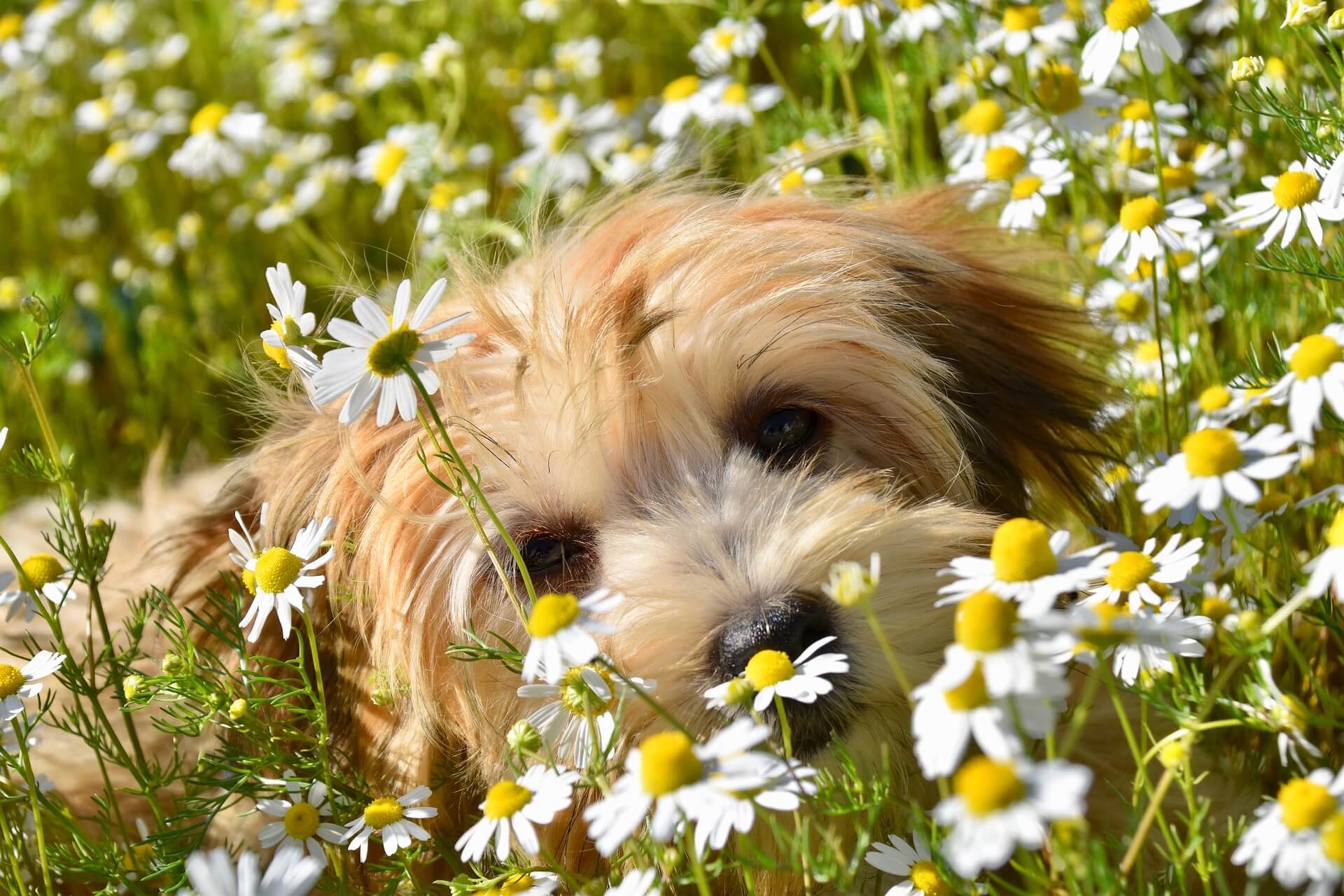
The Havanese, a small and charming breed, has captured the hearts of dog lovers worldwide with its affectionate nature and silky coat. As the national dog of Cuba, the Havanese boasts a rich history and unique traits that make them excellent companions. In this comprehensive guide, we’ll explore the Havanese’s history, size, exercise requirements, personality, health, care, feeding, coat color, grooming, lifespan, interactions with children, and compatibility with other pets.
History:
The Havanese traces its origins to the Bichon family of dogs, which includes breeds like the Bichon Frise and Maltese. Brought to Cuba by Spanish settlers during the 16th century, the Havanese developed into a distinct breed on the island. European travelers and aristocrats took a liking to these dogs, leading to their popularity in Europe during the 18th and 19th centuries. The breed faced near-extinction after the Cuban Revolution but was preserved by dedicated breeders in the United States, where it gained recognition from the American Kennel Club in 1996.
Size:
Havanese dogs are small and sturdy, with an average height of 8.5 to 11.5 inches at the shoulder and a weight of 7 to 13 pounds. Their compact size makes them suitable for apartment living and easy to transport.
Exercise:
Despite their small stature, Havanese dogs are energetic and playful, requiring a moderate amount of daily exercise to keep them happy and healthy. A daily walk of 30 to 45 minutes, coupled with indoor playtime or interactive games, should suffice. Havanese dogs are also known for their agility and can excel in canine sports like obedience and rally.
Personality:
The Havanese is a friendly, affectionate, and intelligent breed that thrives on human companionship. They form strong bonds with their families and can be prone to separation anxiety if left alone for extended periods. Known for their social nature, Havanese dogs typically get along well with other pets and are usually welcoming towards strangers. Their intelligence and eagerness to please make them highly trainable, although early socialization and positive reinforcement training are essential.
Health:
Havanese dogs are generally a healthy breed, but they are prone to some health issues, including hip dysplasia, luxating patella, and progressive retinal atrophy (PRA). Regular veterinary check-ups and preventative care can help maintain your Havanese’s health throughout their life.
Care:
Caring for a Havanese includes providing a balanced diet, regular grooming, and routine health care. Ensure your dog receives all necessary vaccinations and stays up-to-date with parasite prevention treatments. Dental care, nail trimming, and ear cleaning should also be part of your Havanese’s grooming routine.
Feeding:
Feeding your Havanese high-quality dog food appropriate for their age, size, and activity level is essential. Generally, 1/2 to 1 cup of kibble per day, divided into two meals, is recommended. Monitoring your Havanese’s weight and adjusting food intake as needed can help prevent obesity and related health issues.
Coat Color:
Havanese dogs have a unique double coat that is silky and wavy or curly, with coat colors ranging from white, cream, gold, and chocolate to black, silver, and various color combinations. Their coat is low-shedding and hypoallergenic, making them an excellent choice for allergy sufferers.
Grooming:
Grooming a Havanese can be more involved than other breeds due to their long, silky coat. Daily brushing is required to prevent mats and tangles, and occasional trimming or clipping can help maintain a manageable coat length. Some Havanese owners choose to keep their dog’s coat clipped short for easier maintenance, while others prefer the breed’s natural, flowing coat. Regular bathing every 4 to 6 weeks can keep the coat clean and free of debris.
Lifespan:
The Havanese breed has a relatively long lifespan, typically ranging from 12 to 15 years. Providing your dog with a healthy diet, regular exercise, and routine veterinary care can contribute to a longer, happier life.
Interacting with Children:
Havanese dogs are generally excellent with children due to their friendly and gentle nature. Their small size makes them less intimidating to younger kids, and their playful energy ensures they can keep up with an active household. As always, it’s crucial to teach children how to interact safely and respectfully with dogs and supervise playtime to prevent accidents or injuries.
Interacting with Other Pets:
The Havanese’s sociable and adaptable temperament makes them great companions for other pets, including dogs and cats. Early socialization and gradual introductions can help your Havanese learn to coexist peacefully with other animals in the household. Remember that individual temperaments may vary, and some Havanese dogs may be more reserved around other pets.
Conclusion:
The Havanese dog breed is an endearing and versatile companion, well-suited to families, singles, and seniors alike. Their affectionate and adaptable nature, coupled with their low-shedding coat, makes them an excellent choice for many pet owners. To ensure a well-rounded and happy Havanese, invest time in early training, socialization, and proper care. With the right approach, the Havanese can become a cherished member of your family for many years to come.