
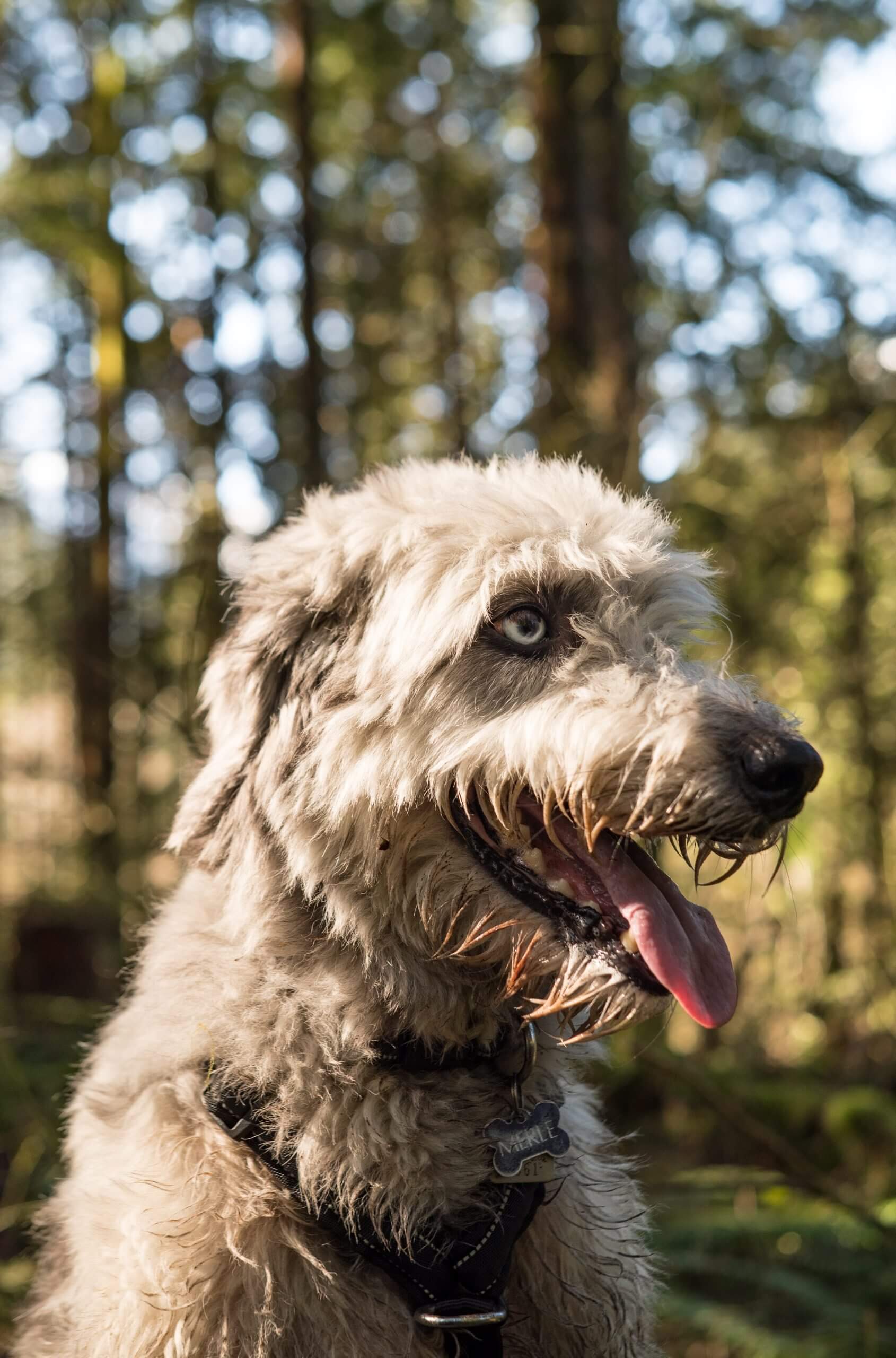
The Irish Wolfhound, a noble and imposing breed, is an affectionate and gentle companion that has captured the hearts of dog enthusiasts around the world. Known for their immense size and calm demeanor, these dogs make wonderful family pets and devoted friends. In this guide, we’ll explore the history, size, exercise needs, personality, health, care, feeding, coat color, grooming, lifespan, and interactions of the Irish Wolfhound with children and other pets, ensuring you have a thorough understanding of this incredible breed.
History:
The Irish Wolfhound’s origin can be traced back to ancient Ireland, where they were bred as war dogs and hunters of large game, such as wolves and elk. Their prowess in battle and hunting earned them the admiration of nobles and warriors alike. In the 19th century, the breed faced near extinction, but a dedicated breeding program led by Captain George Augustus Graham helped revive the Irish Wolfhound population. The American Kennel Club (AKC) officially recognized the breed in 1897.
Size:
Irish Wolfhounds are the tallest breed of dog, with males reaching heights of 32 inches or more at the shoulder and weighing between 140 and 180 pounds. Females are slightly smaller, standing at least 30 inches tall and weighing between 115 and 140 pounds.
Exercise:
Despite their imposing size, Irish Wolfhounds are relatively low-energy dogs. A daily walk or two and some off-leash playtime in a securely fenced area should be sufficient to meet their exercise needs. Due to their rapid growth and large size, it’s essential to avoid overexerting them, especially during their first two years, to prevent joint and bone issues.
Personality:
Irish Wolfhounds are known for their gentle, affectionate, and friendly nature. They’re great with children and enjoy being part of a family. While they possess a strong prey drive, they can coexist with other pets if properly socialized from a young age. Despite their calm temperament, they can be protective of their family and home, but they are typically not aggressive.
Health:
The Irish Wolfhound has a lifespan of 6 to 8 years, which is relatively short compared to other breeds. They are prone to certain health issues, including hip dysplasia, elbow dysplasia, heart conditions such as dilated cardiomyopathy, and bloat, which can be life-threatening. Regular vet check-ups and preventative care are essential to ensure their health and wellbeing.
Care:
Caring for an Irish Wolfhound requires ample space to accommodate their large size. Providing a comfortable and supportive bed is crucial to prevent pressure sores and joint discomfort. While they can adapt to living in an apartment, they need access to a yard or park for exercise and playtime.
Feeding:
Due to their size, Irish Wolfhounds require a balanced diet tailored to their nutritional needs. It’s essential to feed them a high-quality dog food designed for large breeds, and portion control is crucial to avoid overfeeding and weight gain. Puppies should be fed a diet specifically formulated for large breed puppies to support their rapid growth.
Coat Color:
Irish Wolfhounds have a rough, wiry coat that comes in various colors, including gray, brindle, red, black, white, and fawn. Their coat also features a soft undercoat, which helps keep them warm in colder climates.
Grooming:
Regular grooming is necessary to maintain the Irish Wolfhound’s coat and overall hygiene. Brushing their coat two to three times per week will help prevent matting and remove loose hair. Additionally, occasional trimming and stripping may be required to maintain the coat’s texture. It’s also essential to clean their ears, trim their nails, and brush their teeth regularly to prevent health issues.
Lifespan:
The Irish Wolfhound has a shorter lifespan compared to other dog breeds, typically living between 6 to 8 years. Proper care, nutrition, and regular veterinary check-ups can help maximize their longevity and ensure a healthy, happy life.
Interacting with Children:
Irish Wolfhounds are known for their gentle and patient nature, making them excellent companions for children. They tend to form strong bonds with their human families and enjoy being involved in family activities. However, due to their immense size, it’s essential to supervise interactions between young children and the dog to avoid accidental injuries. Teaching children how to interact safely and respectfully with the dog will also help create a positive bond between them.
Interacting with Other Pets:
Although Irish Wolfhounds were historically bred for hunting large game, they can coexist peacefully with other pets if properly socialized from a young age. Introducing them to other animals in a controlled and positive manner will help them develop appropriate social skills. However, their strong prey drive may cause them to chase smaller animals, such as cats or rabbits, so supervision is necessary when introducing them to these pets.
Conclusion:
The Irish Wolfhound is a majestic and loving breed that makes a wonderful addition to the right family. Their gentle and affectionate nature, combined with their immense size and rich history, make them a truly unique and captivating breed. By understanding their specific needs and providing proper care, exercise, and socialization, you can enjoy a fulfilling and memorable companionship with your Irish Wolfhound.