
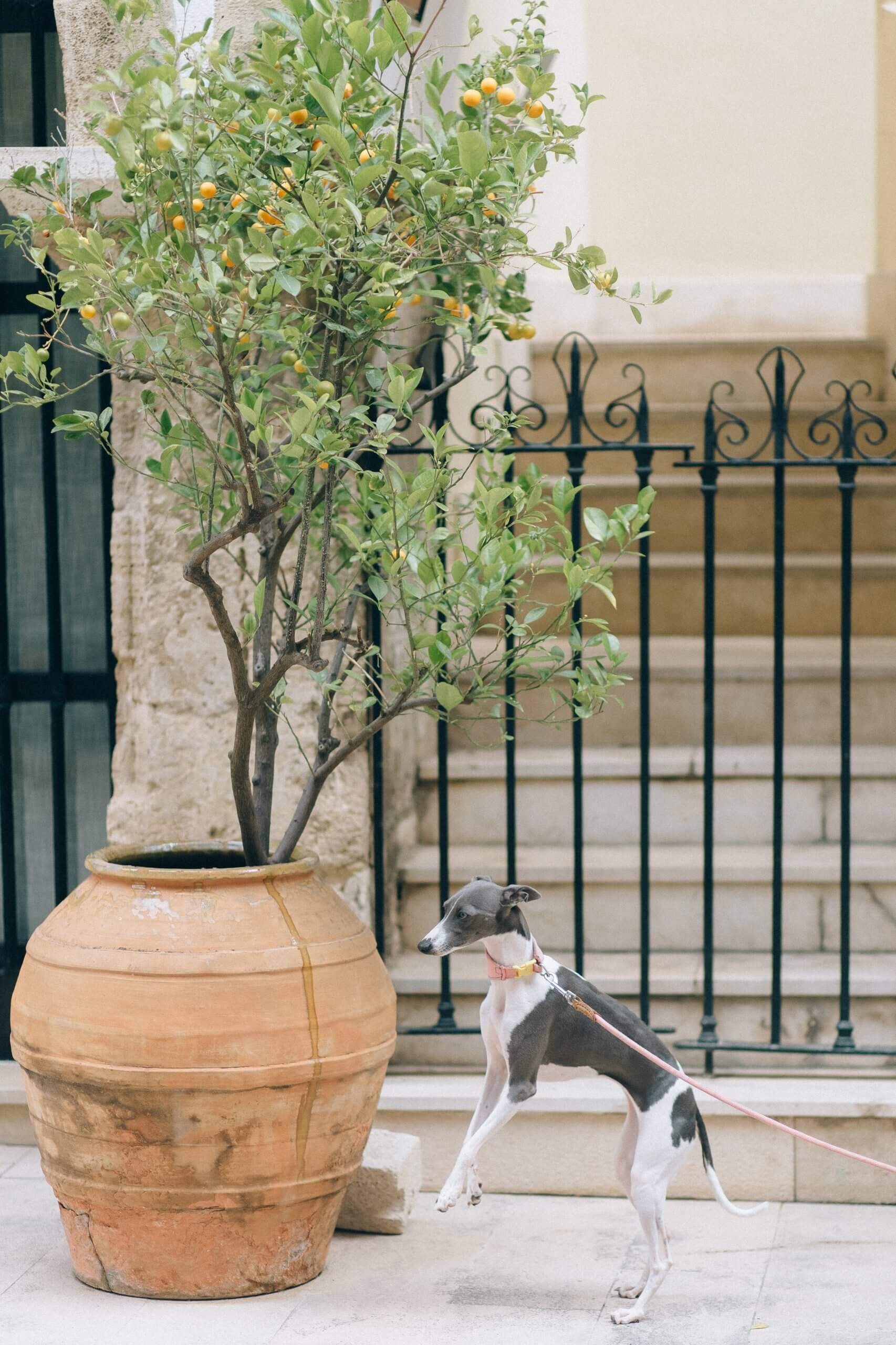
The Italian Greyhound, a small yet elegant breed, is known for its affectionate nature and incredible speed. Their slender, graceful appearance and loving disposition make them wonderful companions for those seeking a low-maintenance and gentle pet. In this guide, we will explore the Italian Greyhound’s history, size, exercise needs, personality, health, care, feeding, coat color, grooming, lifespan, and interactions with children and other pets, providing you with a comprehensive understanding of this charming breed.
History:
The Italian Greyhound’s origins can be traced back over 2,000 years, with evidence of their existence in ancient Egypt, Greece, and Turkey. They were later adopted by Italian nobility during the Renaissance, where they became a symbol of luxury and refinement. The breed was officially recognized by the American Kennel Club (AKC) in 1886, and today, they are cherished as loving companions and agile competitors in dog sports.
Size:
Italian Greyhounds are the smallest of the sighthound family, with males and females standing between 13 to 15 inches at the shoulder and weighing between 7 and 14 pounds. Their slender, elegant build is a defining characteristic of the breed.
Exercise:
Though they are known for their speed and agility, Italian Greyhounds do not require extensive exercise. A daily walk or two, along with short bursts of playtime or off-leash running in a securely fenced area, should be sufficient to meet their physical needs. They are also well-suited for apartment living due to their small size and low exercise requirements.
Personality:
Italian Greyhounds are known for their affectionate, gentle, and somewhat sensitive nature. They bond closely with their families and may develop separation anxiety if left alone for extended periods. Early socialization is essential to help them become well-rounded and adaptable adult dogs. They can be reserved around strangers but typically warm up quickly with proper introductions.
Health:
Italian Greyhounds have a life expectancy of 12 to 15 years and are generally a healthy breed. However, they are prone to certain health issues, such as dental problems, patellar luxation, hip dysplasia, and Legg-Calvé-Perthes disease. Regular veterinary check-ups and preventative care are crucial for maintaining their overall health and wellbeing.
Care:
Caring for an Italian Greyhound involves providing a comfortable, safe environment that accommodates their delicate build. Soft bedding and clothing during cold weather can help keep them warm and comfortable, as they have minimal body fat and a thin coat. It’s also essential to avoid rough play or jumping from heights, as their slender limbs are prone to injury.
Feeding:
Feeding an Italian Greyhound requires a balanced diet tailored to their size, age, and activity level. High-quality dog food, either commercially prepared or home-cooked under veterinary supervision, will ensure they receive proper nutrients. Portion control is essential to prevent overfeeding and maintain a healthy weight, as obesity can contribute to health issues.
Coat Color:
Italian Greyhounds have a short, smooth coat that comes in a variety of colors, including black, blue, fawn, red, and cream, often accompanied by white markings. Their coat is low-maintenance and typically requires minimal grooming.
Grooming:
Grooming an Italian Greyhound is relatively simple due to their short coat. Weekly brushing will help remove loose hair and keep their coat looking sleek and shiny. Regular nail trimming, ear cleaning, and dental care are also necessary to maintain their overall health and hygiene.
Lifespan:
Italian Greyhounds have a lifespan of 12 to 15 years, which is relatively long compared to other dog breeds. Proper care, nutrition, and regular veterinary check-ups can help ensure a long, healthy life for your Italian Greyhound.
Interacting with Children:
Italian Greyhounds can make good companions for children, especially when raised together from an early age. Their gentle and affectionate nature allows them to form strong bonds with their human families. However, due to their delicate build and sensitive temperament, it’s crucial to supervise interactions between young children and the dog to avoid accidental injuries or stress. Teaching children how to interact safely and respectfully with the dog will help create a positive bond between them.
Interacting with Other Pets:
Italian Greyhounds are generally friendly with other dogs and can coexist peacefully with other pets when properly socialized from a young age. Their sighthound instincts may cause them to chase smaller animals, such as cats or rabbits, but with proper training and controlled introductions, they can learn to live harmoniously with a variety of animals. As with any breed, supervision is essential when introducing new pets to ensure a smooth transition and minimize the risk of conflict.
Conclusion:
The Italian Greyhound is a graceful, affectionate, and charming breed that makes a wonderful addition to a variety of households. Their elegant appearance, low-maintenance grooming needs, and gentle disposition are just a few of the many appealing qualities this breed possesses. By understanding their specific needs and providing proper care, exercise, and socialization, you can enjoy a fulfilling and long-lasting companionship with your Italian Greyhound.