
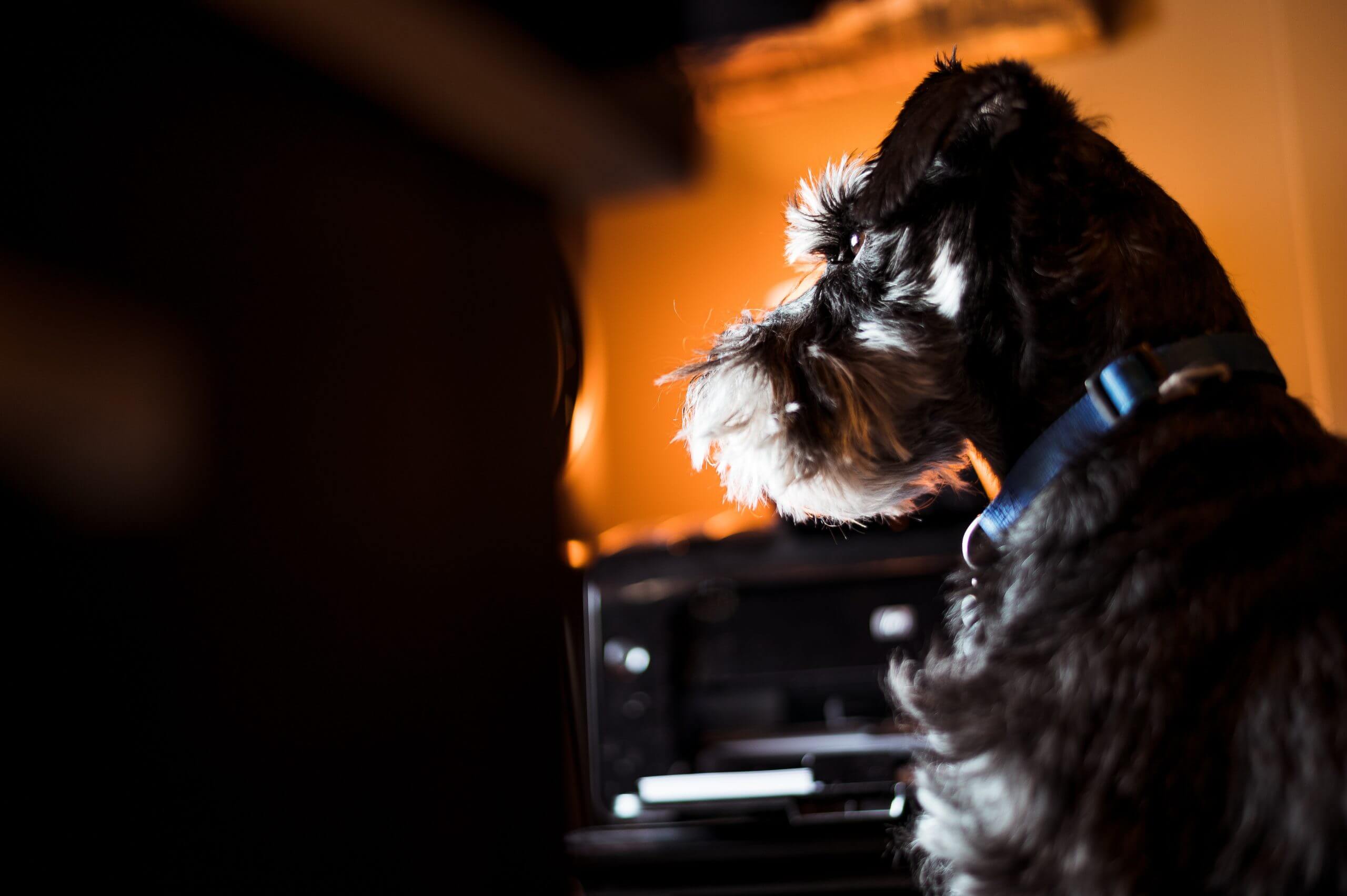
The Jagdterrier, also known as the German Hunt Terrier, boasts a rich history rooted in Germany. It was developed in the 1920s by a group of hunters who were determined to create a versatile, fearless, and efficient hunting dog. Bred from various terriers, including the Fox Terrier and Old English Terrier, the Jagdterrier was designed to excel at hunting a wide range of game, such as foxes, badgers, and raccoons. Today, this breed is celebrated not only for its hunting prowess but also for its loyal and lively personality.
Size:
The Jagdterrier is a small yet sturdy dog, with males typically standing between 13 and 16 inches tall and females ranging from 11 to 14 inches. Males usually weigh between 17 and 22 pounds, while females tend to be lighter at 14 to 19 pounds. This breed’s compact size makes it agile and swift, perfect for navigating dense underbrush and tracking prey.
Exercise:
As a high-energy breed, the Jagdterrier requires daily physical activity to maintain its health and happiness. A brisk walk or jog, along with playtime in a fenced yard or other safe area, can help meet the exercise needs of this lively dog. Additionally, Jagdterriers can excel in dog sports such as agility, tracking, and earthdog trials, which provide mental and physical stimulation.
Personality:
Jagdterriers are intelligent, tenacious, and fearless dogs that possess a strong work ethic. They form strong bonds with their owners and can be fiercely loyal, making them excellent watchdogs. However, their high energy and strong hunting instincts can make them a handful for inexperienced dog owners. Early socialization and consistent, positive reinforcement-based training are essential to help them become well-rounded and well-mannered companions.
Health:
Jagdterriers are generally healthy dogs, with a lifespan of 12 to 15 years. Some health issues associated with this breed include hip dysplasia, patellar luxation, and eye disorders such as progressive retinal atrophy (PRA) and cataracts. Regular veterinary check-ups and a balanced diet can help maintain overall health and detect potential issues early.
Care:
Routine care for a Jagdterrier includes regular grooming, dental care, and nail trimming. Their short, dense coat requires weekly brushing to remove loose hair and minimize shedding. Occasional baths will help keep their coat clean and odor-free. It’s important to check their ears for signs of infection and clean them regularly to prevent issues.
Feeding:
Jagdterriers should be fed a high-quality dog food appropriate for their size, age, and activity level. Portion control and a consistent feeding schedule can help prevent obesity, which can lead to numerous health problems. Treats can be used as rewards during training but should be given in moderation to maintain a balanced diet.
Coat Colour:
The Jagdterrier’s coat is predominantly black and tan, with the tan markings appearing on the muzzle, eyebrows, chest, and legs. Some Jagdterriers may also have a small white patch on their chest. Their coat is short, dense, and weather-resistant, providing protection from harsh weather conditions during hunts.
Grooming:
Grooming a Jagdterrier is relatively low-maintenance. Weekly brushing will help remove loose hair and keep their coat looking healthy. Occasional baths are necessary to keep them clean and smelling fresh. Regular ear cleaning, nail trimming, and dental care are also important aspects of their grooming routine.
Lifespan:
The average lifespan of a Jagdterrier is between 12 and 15 years. Providing them with a balanced diet, regular exercise, and consistent preventative veterinary care can help ensure a long and healthy life.
Interacting with Children:
The Jagdterrier can be a good family pet when properly socialized and trained from a young age. They are energetic and playful, which can be appealing to children. However, their high energy and hunting instincts may not be suitable for families with very young children. Supervision during interactions is essential, and it’s crucial to teach children how to approach and interact with dogs safely and respectfully.
Interacting with Other Pets:
Jagdterriers have strong hunting instincts, which may lead to chasing smaller animals. Therefore, early socialization and training are necessary to teach them how to interact with other pets in the household. With proper socialization, they can get along with other dogs, but caution should be exercised when introducing them to smaller pets, such as cats or rodents.
In conclusion, the Jagdterrier is a tenacious and energetic breed with a strong hunting heritage. Their intelligence, loyalty, and spirited personality make them a unique and rewarding companion for the right owner. With proper training, socialization, and care, the Jagdterrier can be a loving and lively addition to an active family.