
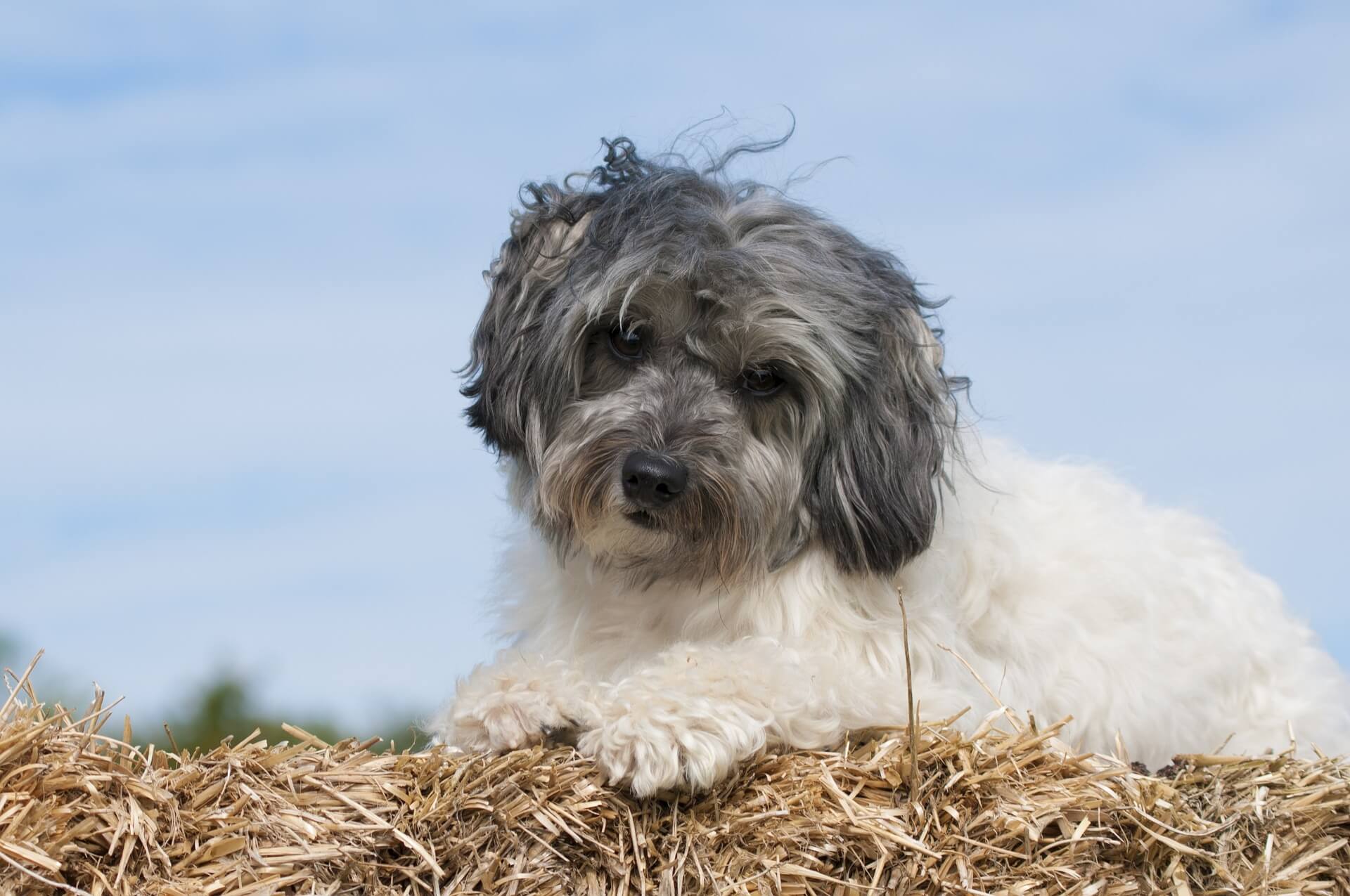
The Lowchen, also known as the “Little Lion Dog,” is a small, charming dog breed known for its unique appearance and affectionate personality. This guide will delve into the history, size, exercise, personality, health, care, feeding, coat colour, grooming, lifespan, and interactions with children and other pets to provide you with a comprehensive understanding of this delightful breed.
History:
The Lowchen’s history dates back to at least the 15th century, where it appeared in various European artworks, particularly in France, Germany, and the Low Countries. It is believed that the breed’s lion-like grooming style was intended to provide warmth while still allowing freedom of movement. The Lowchen was primarily a companion breed, favored by nobility for its loving and playful nature. Despite its ancient origins, the breed nearly went extinct in the 20th century but was revived through dedicated breeding efforts.
Size:
Lowchen dogs are small, with a height of 12 to 14 inches at the shoulder and a weight of 10 to 18 pounds. Their compact size makes them well-suited to apartment living and an excellent choice for those looking for a smaller companion.
Exercise:
Though small, the Lowchen is an energetic and active breed that requires regular exercise to stay healthy and happy. A daily walk, along with playtime in a securely fenced yard or indoor games, will keep them physically and mentally stimulated. These dogs are also known to excel in dog sports such as agility, obedience, and rally.
Personality:
Lowchen dogs are known for their affectionate, playful, and outgoing personalities. They are highly social and thrive on companionship, making them excellent family pets. The breed is also known for its intelligence, making them relatively easy to train, but early socialization and consistent training are essential to ensure they grow into well-adjusted adults.
Health:
Lowchen dogs are generally healthy, with few breed-specific health issues. However, like all breeds, they may be prone to certain conditions, such as patellar luxation, heart murmurs, and cataracts. Regular veterinary check-ups and preventative care can help maintain their overall health and well-being.
Care:
The Lowchen’s intelligence and eagerness to please make them highly trainable. Consistent, positive reinforcement-based training methods work best for this breed. Early socialization is important to expose them to various people, animals, and environments, ensuring a well-rounded and confident adult dog.
Feeding:
Lowchen dogs require a balanced and nutritious diet to maintain their health and energy levels. Feed them high-quality commercial dog food or a well-researched homemade diet, adjusting the amount based on their age, size, activity level, and individual needs. Always consult your veterinarian for personalized feeding recommendations.
Coat Colour:
The Lowchen’s coat can come in a variety of colours and combinations, including black, white, cream, silver, and parti-colour (a mix of two or more colours). Their coat is dense and moderately long, with a slight wave.
Grooming:
The Lowchen’s coat requires regular grooming to keep it free of tangles and looking its best. Brushing a few times a week and trimming every six to eight weeks are recommended. Their distinctive “lion” trim, where the rear half of the body is shaved, and the tail is plumed, is a breed hallmark but is not required for pet Lowchens.
Lifespan:
The Lowchen typically has a lifespan of 12 to 14 years, with some living even longer. Proper care, a balanced diet, and regular exercise can contribute to their longevity.
Interacting with Children:
Lowchen dogs are generally good with children, thanks to their affectionate and playful nature. However, it is essential to teach children how to properly interact with dogs and supervise all interactions between dogs and young children to ensure the safety of both parties.
Interacting with Other Pets:
Lowchen dogs usually get along well with other pets, particularly if they have been socialized from an early age. They can coexist peacefully with other dogs, cats, and even smaller animals. However, it is always essential to monitor interactions and provide a controlled environment when introducing pets to one another.
Conclusion:
The Lowchen, with its unique appearance and loving temperament, is a delightful breed suited to families and individuals alike. Their small size, coupled with their energetic and sociable nature, makes them an ideal companion for a variety of living situations. With proper care, training, and love, the Lowchen can be a wonderful addition to any home.