
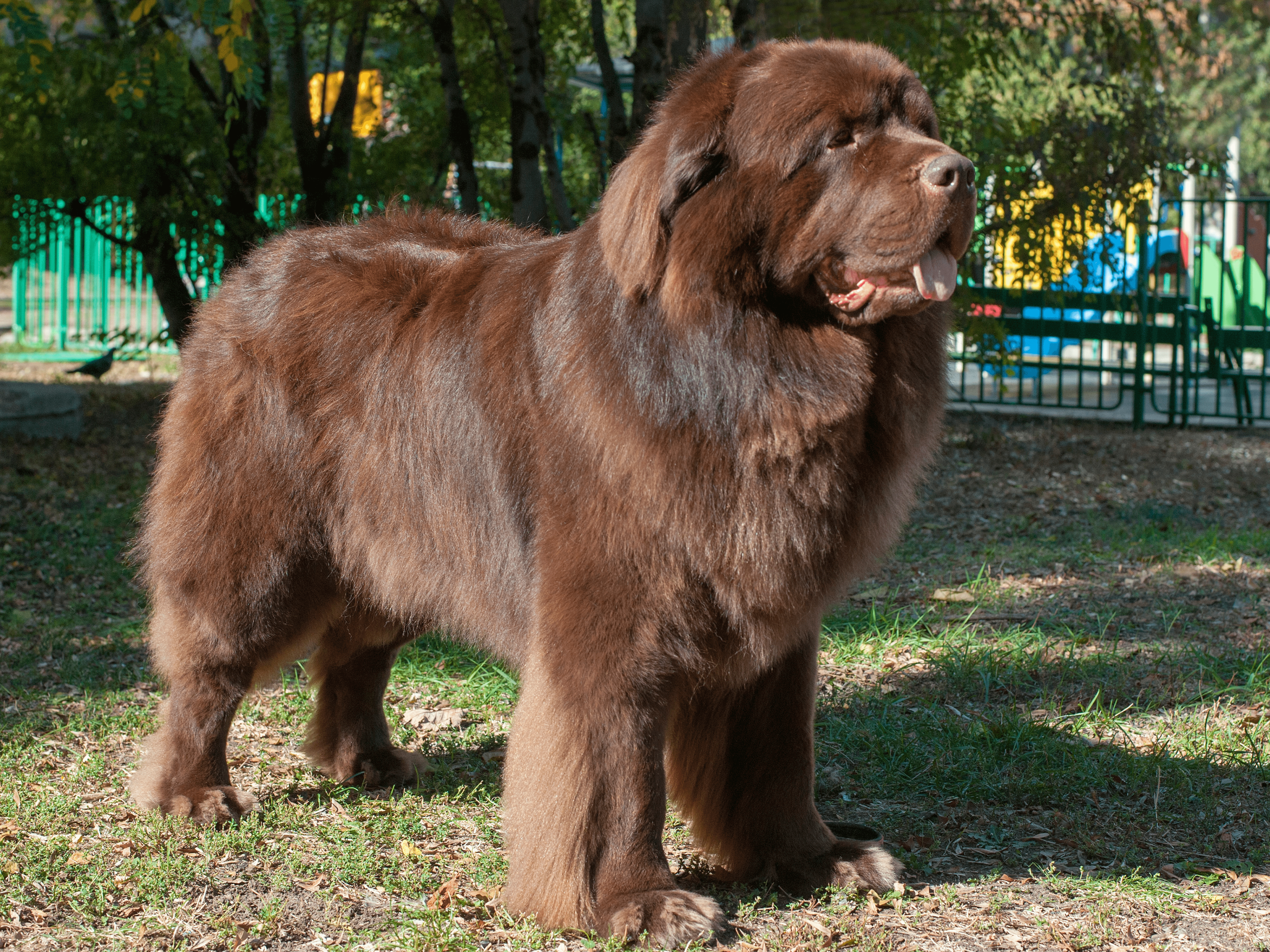
Newfoundland dogs, affectionately known as “Newfies,” are giant, lovable canines with a rich history and a remarkable array of characteristics that make them exceptional family pets. In this in-depth exploration of the breed, we’ll delve into the Newfoundland’s history, size, exercise requirements, personality, health, care, feeding, coat colors, grooming, lifespan, and interactions with children and other pets.
History
The Newfoundland dog hails from the Canadian island of Newfoundland, where it was originally bred as a working dog for fishermen. Newfies were prized for their strength, loyalty, and ability to swim, making them ideal for tasks such as pulling in fishing nets and rescuing people from the water. Their exceptional swimming ability and lifesaving instincts have made them renowned as water rescue dogs, a reputation that endures to this day.
Size
Newfoundland dogs are classified as giant breeds, with males standing at 28 inches or taller and weighing between 130-150 pounds, while females are slightly smaller at 26 inches or taller and weighing 100-120 pounds. Despite their imposing size, Newfies are known for their gentle and calm demeanor, often referred to as “gentle giants.”
Exercise
While Newfoundland dogs are not as energetic as some other breeds, they do require regular exercise to maintain their health and prevent obesity. Daily walks and opportunities to swim are ideal ways to keep a Newfie physically and mentally stimulated. However, it’s essential to be mindful of their size and strength and ensure they have ample space to move around safely.
Personality
Newfoundland dogs are renowned for their gentle, loyal, and affectionate nature, making them excellent family pets. They are highly intelligent and eager to please, which can make training relatively easy. However, due to their size and strength, early socialization and consistent training are crucial to ensure they become well-behaved and manageable adult dogs.
Health
Like many large breeds, Newfoundland dogs can be prone to specific health concerns, including hip and elbow dysplasia, heart conditions such as subaortic stenosis, and a predisposition to bloat. Regular veterinary check-ups, appropriate exercise, and a balanced diet can help manage these risks and maintain your Newfie’s overall health.
Care
Caring for a Newfoundland dog involves meeting their basic needs, including providing a safe and comfortable home environment that accommodates their size. They are prone to overheating, so it’s crucial to ensure they have access to cool, shaded areas, particularly in hot weather. Regular dental care, including tooth brushing and dental chews, is essential for maintaining their oral health.
Feeding
Newfoundland dogs require a balanced diet tailored to their age, size, and activity level. It’s essential to monitor their weight, as they can be prone to obesity. Feeding them high-quality dog food in appropriate portion sizes, divided into two or more meals per day, can help maintain their ideal weight. Consult your veterinarian for guidance on the best diet and portion sizes for your Newfie.
Coat Color
Newfoundland dogs have a thick, double coat that comes in a variety of colors, including black, brown, gray, and black and white (also known as Landseer). Their coat is water-resistant, which contributes to their exceptional swimming ability.
Grooming
Due to their dense coat, Newfoundland dogs require regular grooming to maintain their coat’s health and appearance. Frequent brushing, at least twice a week, can help prevent matting and remove loose hair. Occasional baths and trimming around the feet, ears, and tail are also necessary to keep your Newfie looking their best.
Lifespan
With proper care, Newfoundland dogs can live between 8-10 years, though some may live longer. Regular veterinary care, proper nutrition, and consistent exercise are essential factors in ensuring a long, healthy life for your gentle giant.
Interacting with Children
Newfoundland dogs are known for their patient and gentle nature with children, making them wonderful family pets. However, due to their size, it’s crucial to supervise interactions between Newfies and young children to prevent accidental injuries. Teaching both the dog and the child appropriate ways to interact will help foster a strong and safe bond between them.
Interacting with Other Pets
Newfies typically get along well with other pets, including dogs and cats, due to their friendly and easygoing nature. Early socialization and proper introductions can help ensure harmonious relationships with other animals in the household. It’s essential to monitor interactions, particularly during the initial introduction phase, to ensure all pets feel comfortable and secure.
Conclusion
Newfoundland dogs, with their gentle and loving demeanor, are a true testament to the saying, “gentle giants.” They make exceptional family pets and loyal companions, while their rich history as working dogs and lifesavers highlights their incredible strength and intelligence. If you’re considering adding a Newfoundland dog to your family, be prepared to welcome a loyal, affectionate, and gentle companion into your home.