
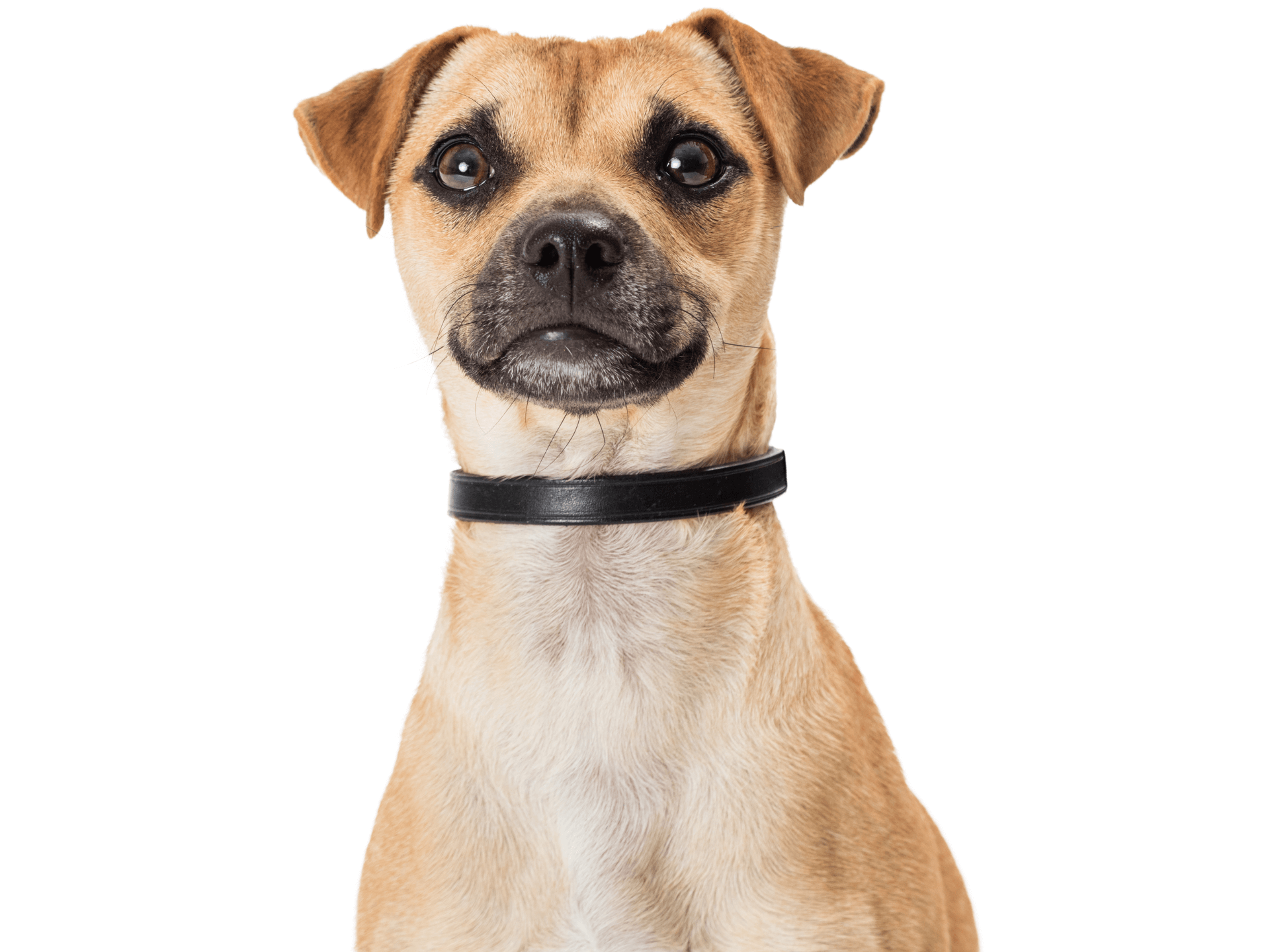
The Pugalier, a delightful mix of Pug and Cavalier King Charles Spaniel, offers an endearing combination of affectionate and playful qualities. This mixed breed’s charming appearance and amiable personality have won the hearts of dog lovers worldwide. In this comprehensive guide, we’ll delve into the captivating history, characteristics, and facts about the Pugalier breed, which has become a beloved companion for various households.
History:
The Pugalier is a relatively recent hybrid breed, created in the late 20th and early 21st centuries. Breeders aimed to combine the friendly nature of the Pug with the gentle temperament of the Cavalier King Charles Spaniel. While not yet recognized by major kennel clubs, Pugaliers have steadily gained popularity as an appealing companion dog.
Size:
As a hybrid breed, Pugaliers can vary in size, but they generally fall within the small to medium range. Most Pugaliers weigh between 10-20 pounds and stand 10-14 inches tall at the shoulder. Their compact size makes them suitable for apartment living and smaller homes.
Exercise:
Pugaliers require moderate exercise to maintain their health and happiness. Daily walks or interactive play sessions are ideal for keeping your Pugalier engaged and fit. It’s important to monitor your Pugalier during exercise, especially in hot weather, as their short snouts can make breathing difficult and put them at risk for heatstroke.
Personality:
Pugaliers inherit a delightful blend of traits from their parent breeds. They are friendly, intelligent, and affectionate dogs that enjoy being around people. Pugaliers are also known for their playful nature and adaptability, which make them suitable for various households and lifestyles. Their gentle temperament allows them to form strong bonds with their families.
Health:
Pugaliers have a life expectancy of 10-14 years, but like all dogs, they can be prone to certain health issues. Some common concerns include hip dysplasia, patellar luxation, heart problems, and eye issues. Regular check-ups with a veterinarian, along with a healthy diet and exercise, can help prevent and detect potential issues early on.
Care:
Pugaliers require consistent care to maintain their overall health and well-being. Regular grooming is necessary to keep their coats clean and healthy, and their nails should be trimmed frequently. Proper dental care is essential to maintain good oral health, as Pugaliers can be prone to dental issues.
Feeding:
A well-balanced diet is crucial for a Pugalier’s overall health and well-being. High-quality commercial dog food or a balanced homemade diet that meets their nutritional needs is recommended. The amount of food required depends on factors like age, activity level, and overall health. Consult with your veterinarian to determine the appropriate feeding plan for your Pugalier.
Coat Color:
Pugaliers can display a variety of coat colors, inherited from their parent breeds. Common colors include fawn, black, white, and various shades of brown. Their coats are short to medium in length, with a smooth or slightly wavy texture.
Grooming:
Pugaliers have low to moderate grooming needs. Their coats require weekly brushing to remove loose hair and distribute natural oils, keeping their fur looking healthy and shiny. Bathing should be done only when necessary, as frequent baths can strip the coat of its natural oils.
Lifespan:
Pugaliers have an average lifespan of 10-14 years, which is relatively long for a small to medium-sized dog breed. This longevity can be attributed to their robust health and the diligent care of their owners. Proper diet, regular exercise, and routine vet check-ups all contribute to a long, happy, and healthy life for your Pugalier.
Interacting with Children:
Pugaliers are generally good with children, displaying patience and affection towards their young human companions. Their playful nature makes them an excellent playmate for kids. However, as with all dogs, it’s essential to supervise interactions between children and dogs to ensure the safety of both parties. Teach children how to approach and handle dogs properly to foster a positive relationship between them.
Interacting with Other Pets:
Pugaliers are usually sociable and can coexist peacefully with other pets, particularly when socialized from a young age. They are friendly and adaptable, making it easier for them to adjust to the presence of other animals in the household. However, it’s essential to introduce them to other pets gradually and ensure that all animals have their own space to retreat to when needed.
Conclusion:
The Pugalier is a captivating hybrid dog breed that combines the best qualities of the Pug and Cavalier King Charles Spaniel. Their friendly and gentle nature, low-maintenance grooming, and compact size make them a wonderful companion for a variety of households. With proper care, exercise, and socialization, the Pugalier will undoubtedly become a cherished member of your family.