
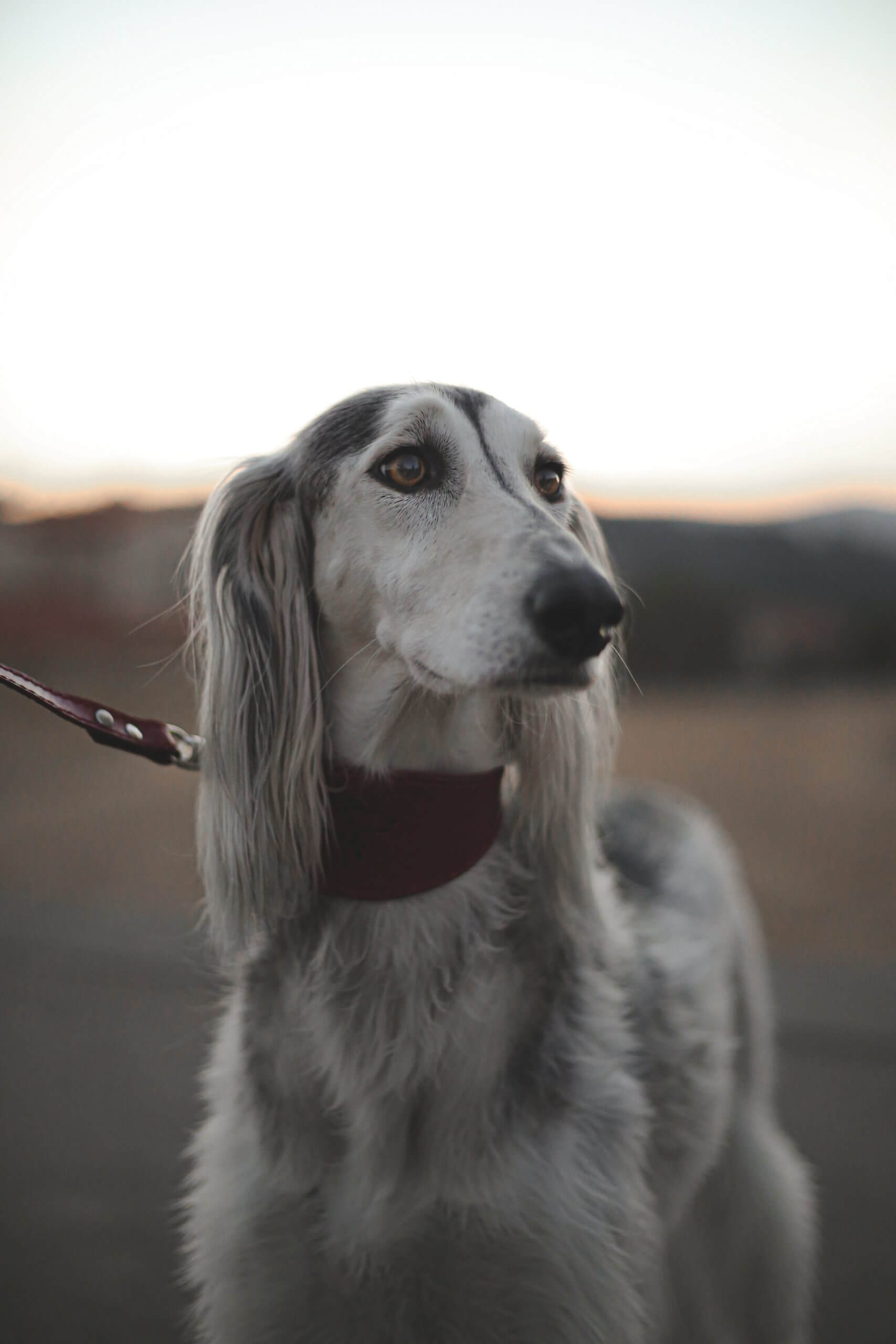
The Saluki, often referred to as the “Royal Hound” or “Persian Greyhound,” is a breed steeped in history, elegance, and unique qualities. Known for their speed, grace, and loyalty, Salukis have been admired for centuries by royalty and commoners alike. In this article, we will explore the history, size, exercise needs, personality, health, care, feeding, coat color, grooming, lifespan, and interactions of Salukis with children and other pets.
History:
The Saluki is one of the oldest dog breeds in the world, with evidence of their existence dating back to ancient civilizations in the Fertile Crescent over 4,000 years ago. They were revered by ancient Egyptians, Sumerians, and Persians, who cherished these dogs for their hunting prowess and their regal appearance. Salukis were often used to hunt gazelle, hare, and other swift animals in the desert, relying on their incredible speed and stamina. The breed’s name, “Saluki,” is thought to have originated from the ancient city of Saluk in Yemen.
Size:
Salukis are medium to large-sized dogs, with males standing between 23 and 28 inches tall and weighing 40 to 60 pounds. Females are slightly smaller, standing between 22 and 27 inches tall and weighing 35 to 50 pounds. Their slender, muscular bodies and long legs contribute to their extraordinary speed and agility.
Exercise:
Salukis are athletic dogs with a strong instinct to run and chase. Regular exercise is crucial to keep them physically and mentally stimulated. A daily walk, combined with occasional opportunities to run and stretch their legs in a securely fenced area, will help them maintain their athletic form and prevent boredom. It is important to note that Salukis have a strong prey drive, so they should always be kept on a leash or in a securely fenced area to prevent them from running after wildlife.
Personality:
Salukis are known for their loyalty, intelligence, and independent nature. They bond strongly with their families and can be reserved with strangers. Despite their aloof demeanor, Salukis are sensitive dogs who crave companionship and can become anxious or depressed if left alone for extended periods. Early socialization and consistent training are crucial to develop a well-rounded, well-behaved Saluki.
Health:
Salukis are generally a healthy breed, but they can be susceptible to certain health issues. Some potential concerns include hip dysplasia, heart issues like dilated cardiomyopathy, and eye problems such as progressive retinal atrophy. Regular check-ups with a veterinarian and preventative care are essential to ensure the health and longevity of these graceful hounds.
Care:
Caring for a Saluki requires understanding their unique needs and temperament. They thrive in a stable, loving environment where they have opportunities to exercise and interact with their family members. A comfortable, quiet place to rest and recuperate is essential, as they are sensitive to stress and noise. Additionally, their thin skin and short coat make them sensitive to temperature extremes, so they may need extra protection in cold or hot weather.
Feeding:
A balanced, high-quality diet is essential to maintain the health and energy levels of a Saluki. Their dietary needs will vary depending on factors like age, size, and activity level. It is important to monitor their food intake and adjust as needed to maintain a healthy weight, as Salukis have a slim build and should not carry excess weight.
Coat Color:
Salukis have a short, silky coat that comes in a variety of colors, including white, cream, fawn, red, grizzle, black and tan, or a combination of these colors. Their coats can be smooth or feature feathering on the ears, tail, and legs, which adds an elegant touch to their already regal appearance.
Grooming:
Grooming a Saluki is relatively low-maintenance due to their short coat. Weekly brushing is sufficient to remove loose hair and keep their coat looking sleek and healthy. Occasional bathing is necessary to keep their skin and coat clean. Regular nail trimming, ear cleaning, and dental care are also important to maintain their overall health and hygiene.
Lifespan:
Salukis have an average lifespan of 12 to 14 years. With proper care, a healthy diet, and regular veterinary check-ups, these dogs can enjoy a long, fulfilling life as a cherished member of the family.
Interacting with Children:
Salukis can make excellent companions for older, respectful children who understand how to interact with dogs appropriately. Due to their sensitive nature and slender build, they may not be the best choice for families with very young children who may accidentally hurt them during play. As always, it is crucial to supervise interactions between children and dogs to ensure the safety and well-being of both parties.
Interacting with Other Pets:
Salukis can get along well with other pets, particularly if they are raised together from a young age. However, their strong prey drive may lead them to chase smaller animals like cats, rabbits, or birds. Early socialization and proper introductions can help them learn to coexist with other pets in the household, but it is essential to be vigilant and manage their interactions.
Conclusion:
The Saluki is a breed with a rich history, remarkable athleticism, and a regal, elegant appearance. Their loyalty, intelligence, and unique qualities make them a wonderful companion for those who appreciate and understand their needs. With proper care, exercise, and attention, a Saluki can thrive as a cherished member of the family.