
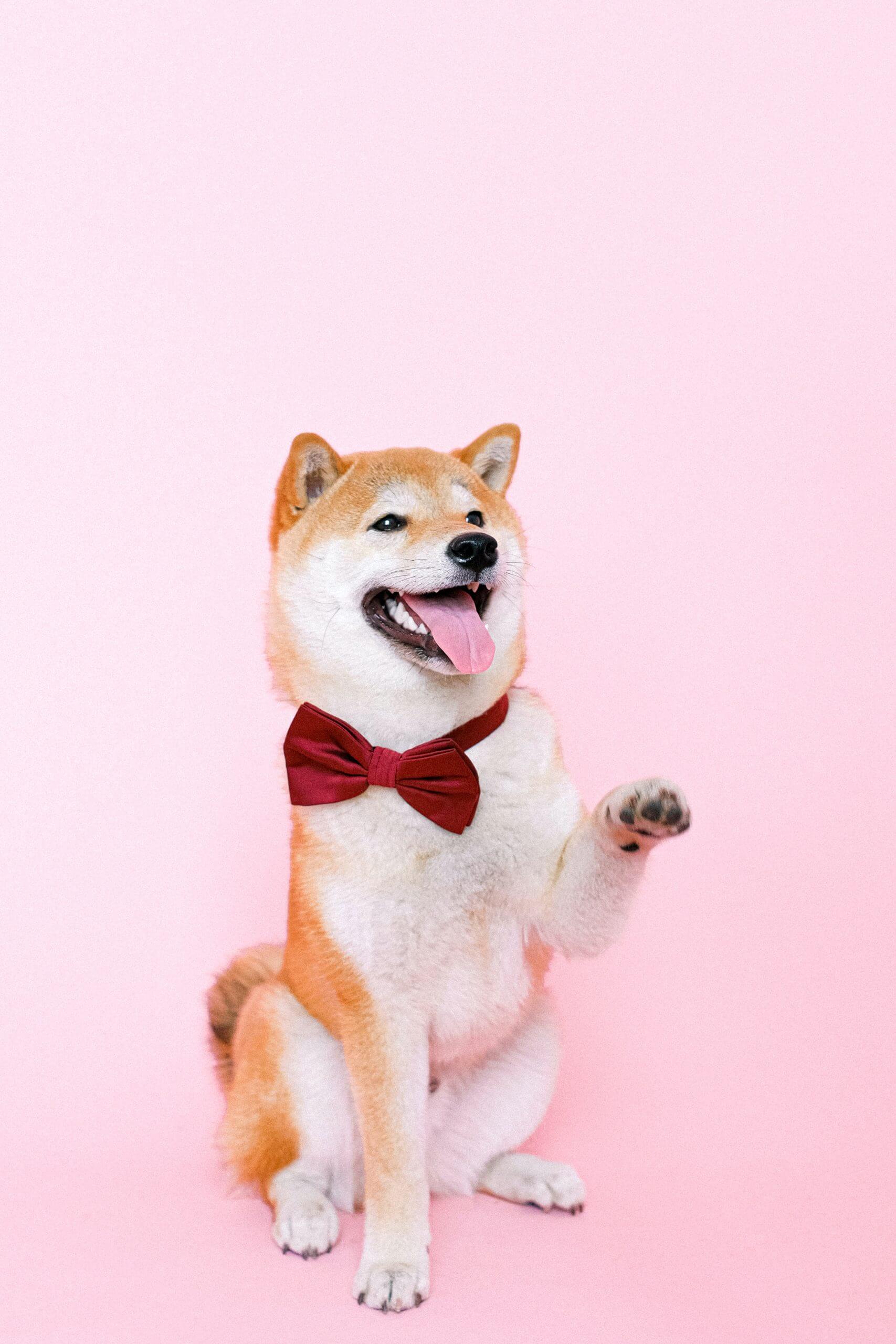
The Shiba Inu, with its fox-like appearance and spirited personality, has become increasingly popular among dog lovers worldwide. This ancient Japanese breed boasts a rich history and distinctive characteristics that make it an excellent companion for those seeking a loyal, intelligent, and independent dog. In this comprehensive guide, we’ll delve into the Shiba Inu’s history, size, exercise needs, personality traits, health concerns, care requirements, feeding guidelines, coat colours, grooming, lifespan, and interactions with children and other pets.
History
The Shiba Inu is a Spitz breed that originated in Japan more than 3,000 years ago. Initially bred for hunting, these agile and spirited dogs were highly valued for their ability to navigate mountainous terrain and flush out small game. After World War II, the Shiba Inu faced near extinction, but concerted breeding efforts helped revive the breed. Today, the Shiba Inu is one of the most popular breeds in Japan and has gained a dedicated following in the United States and other countries.
Size
Shiba Inus are a small to medium-sized breed, with males typically standing between 14 to 17 inches tall and weighing around 18 to 24 pounds. Females are slightly smaller, measuring 13 to 16 inches in height and weighing between 15 to 20 pounds. Their compact size makes them suitable for apartment living, provided they receive adequate exercise.
Exercise
Despite their small stature, Shiba Inus are energetic and active dogs that require daily exercise to maintain their physical and mental well-being. A brisk walk or moderate jog will help release their energy, and they’ll enjoy engaging in activities like fetch, agility, and hiking. Keep in mind that Shiba Inus have a strong prey drive and may be prone to wandering, so it’s essential to keep them on a leash or in a securely fenced area when outside.
Personality
Shiba Inus are known for their intelligence, independence, and loyalty. They can be aloof with strangers but form strong bonds with their family members. These dogs are known for their unique vocalizations, often referred to as the “Shiba scream,” which they may emit when excited or frustrated. Shiba Inus can be stubborn at times, so consistent training and early socialization are crucial to ensure a well-mannered companion.
Health
Shiba Inus are generally a healthy breed, with a lifespan of 12 to 15 years. However, they can be prone to certain health issues, such as hip dysplasia, patellar luxation, and allergies. Regular veterinary check-ups, a balanced diet, and routine exercise can help minimize the risk of health problems and ensure a long, healthy life for your Shiba Inu.
Care
Shiba Inus are relatively low-maintenance dogs when it comes to care. Their independent nature means they can tolerate being alone for moderate periods, but they still need companionship and mental stimulation to prevent boredom and destructive behaviours. Provide your Shiba Inu with puzzle toys, interactive games, and training sessions to keep their mind engaged and happy.
Feeding
Feed your Shiba Inu a high-quality, age-appropriate dog food to support their overall health and well-being. The specific amount of food required will depend on factors such as age, weight, and activity level. Consult your veterinarian for personalized recommendations on feeding your Shiba Inu.
Coat Colour
Shiba Inus have a distinctive double coat, with a soft, dense undercoat and a stiff, straight outer coat. Their coat comes in various colours, including red, sesame, black and tan, and cream. The breed’s striking appearance and rich colouration contribute to their fox-like resemblance.
Grooming
Shiba Inus are relatively low-shedding dogs, but they do experience seasonal shedding, particularly in the spring and fall. Regular brushing, about once or twice a week, will help remove loose hair and keep their coat in good condition. During shedding season, more frequent brushing may be necessary. Shiba Inus are known for their cleanliness and have minimal doggy odour, making them relatively low-maintenance in terms of grooming. However, routine care, such as nail trimming, ear cleaning, and dental care, is still essential to maintain their overall health.
Lifespan
Shiba Inus typically have a lifespan of 12 to 15 years, which is relatively long for a dog of their size. Providing your Shiba Inu with proper nutrition, regular veterinary care, and an active lifestyle will help ensure they live a long, healthy life.
Interacting with Children
Shiba Inus can make great family pets, but their independent and spirited nature may make them less suited for families with very young children. Early socialization and training are essential to ensure a well-behaved and tolerant Shiba Inu. Older children who understand how to interact respectfully with dogs are likely to form strong bonds with a Shiba Inu.
Interacting with Other Pets
Shiba Inus can get along with other pets if raised and socialized with them from an early age. However, their strong prey drive may make them less compatible with smaller animals, such as cats and rodents. Proper introductions and supervision are vital when integrating a Shiba Inu into a multi-pet household.
Conclusion
The Shiba Inu is a unique and captivating breed that offers a blend of loyalty, intelligence, and independence. With proper care, exercise, and training, these spirited dogs can make wonderful companions for those who appreciate their distinctive characteristics and ancient heritage.