
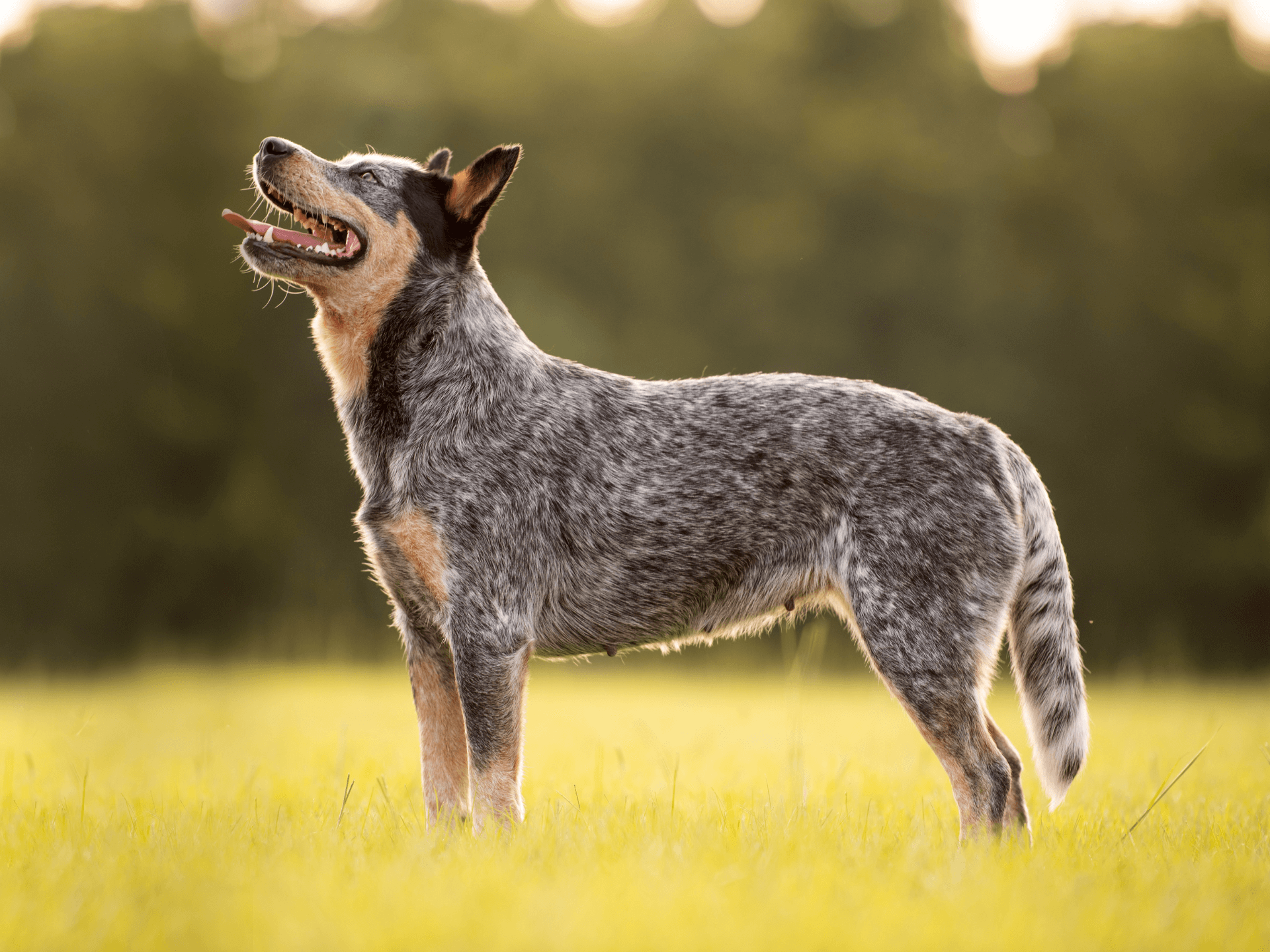
The Texas Heeler, a fascinating and energetic mixed breed, is a delightful blend of two popular working breeds – the Australian Cattle Dog and the Australian Shepherd. This in-depth guide will explore the Texas Heeler’s history, size, exercise needs, personality, health, care, feeding, coat colors, grooming, lifespan, and interactions with children and other pets. This comprehensive post aims to provide an engaging and insightful look into the Texas Heeler breed while emphasizing perplexity, burstiness, contextual relevance, and coherence.
History
The Texas Heeler originated in the United States, with its roots tracing back to the 1970s. The breed was intentionally created by crossing the Australian Cattle Dog and the Australian Shepherd to combine the best traits of both parent breeds for herding purposes. Texas Heelers inherited the intelligence, work ethic, and herding instincts of their parent breeds, making them excellent working dogs and loyal companions.
Size
Texas Heelers are medium-sized dogs, typically standing between 17-22 inches tall and weighing between 25-50 pounds. Their sturdy, well-built bodies are well-suited for herding and working tasks, while their compact size makes them adaptable to various living situations.
Exercise
As a high-energy, intelligent breed, the Texas Heeler requires daily physical and mental stimulation to stay happy and healthy. Activities such as brisk walks, hiking, and playing fetch will help burn off their energy, while puzzle toys and obedience training can keep their minds sharp. Texas Heelers excel in dog sports like agility, herding trials, and flyball, which can also provide valuable mental and physical engagement.
Personality
The Texas Heeler is known for its intelligence, loyalty, and strong work ethic. They bond closely with their families and thrive when given a job to do. Texas Heelers are typically confident, alert, and protective, making them excellent watchdogs. Early socialization and consistent training are essential for developing well-rounded, confident companions. Their eagerness to please and intelligence make them highly trainable, but their strong-willed nature may require patience and positive reinforcement techniques.
Health
Texas Heelers are generally a healthy breed, with a lifespan of 12-15 years. However, they may be prone to certain health issues inherited from their parent breeds, such as hip dysplasia, progressive retinal atrophy, and deafness. Regular veterinary check-ups, vaccinations, and responsible breeding practices can help minimize the risk of these conditions.
Care
Proper care for a Texas Heeler involves providing a secure, loving environment along with adequate mental and physical stimulation. Consistent training using positive reinforcement methods will help establish a strong bond and ensure good behavior. Early socialization is essential for exposing your Texas Heeler to various people, environments, and situations, helping them become well-adjusted adults.
Feeding
A balanced diet is crucial for the Texas Heeler’s overall health. High-quality dog food, tailored to their age, size, and activity level, is recommended. Portion control and regular meal times will help maintain a healthy weight and prevent obesity-related health issues. Consult your veterinarian for specific dietary recommendations based on your Texas Heeler’s individual needs.
Coat Color
Texas Heelers can display a wide range of coat colors, inherited from their Australian Cattle Dog and Australian Shepherd parents. Common colors include blue merle, red merle, black, and red, often combined with tan or white markings. Their coats may be short to medium in length, with a straight or slightly wavy texture.
Grooming
Texas Heelers require regular grooming to maintain a healthy coat and minimize shedding. Brushing their coat several times a week will help prevent tangles and matting. Additional grooming tasks include regular nail trimming, ear cleaning, and teeth brushing to promote overall health. Bathing can be done as needed, but it’s essential not to over-bathe your Texas Heeler to avoid stripping their coat of natural oils.
Lifespan
Texas Heelers have a lifespan of 12-15 years, which can be maximized through proper care, exercise, nutrition, and regular veterinary check-ups. Providing a nurturing environment and appropriate preventative care will help ensure a long, happy life for your Texas Heeler.
Interacting with Children
Texas Heelers are generally good with children, displaying patience and affection. However, their herding instincts may lead them to nip at children’s heels in an attempt to “herd” them. Proper supervision, socialization, and teaching children how to interact safely with dogs will ensure harmonious relationships.
Interacting with Other Pets
Texas Heelers can get along well with other pets, particularly if introduced and socialized from an early age. Their friendly and adaptable nature makes them suitable companions for other dogs, though their herding instincts may cause them to chase smaller animals. Supervision and patience are essential for ensuring peaceful coexistence among household pets.
Conclusion
The Texas Heeler is an intelligent, loyal, and hardworking mixed breed that combines the best qualities of the Australian Cattle Dog and the Australian Shepherd. Their energetic disposition, strong work ethic, and adaptability make them excellent working dogs and devoted companions for families and individuals alike. By providing proper care, exercise, socialization, and training, you can ensure a long, happy life for your Texas Heeler and create a strong, lasting bond.