
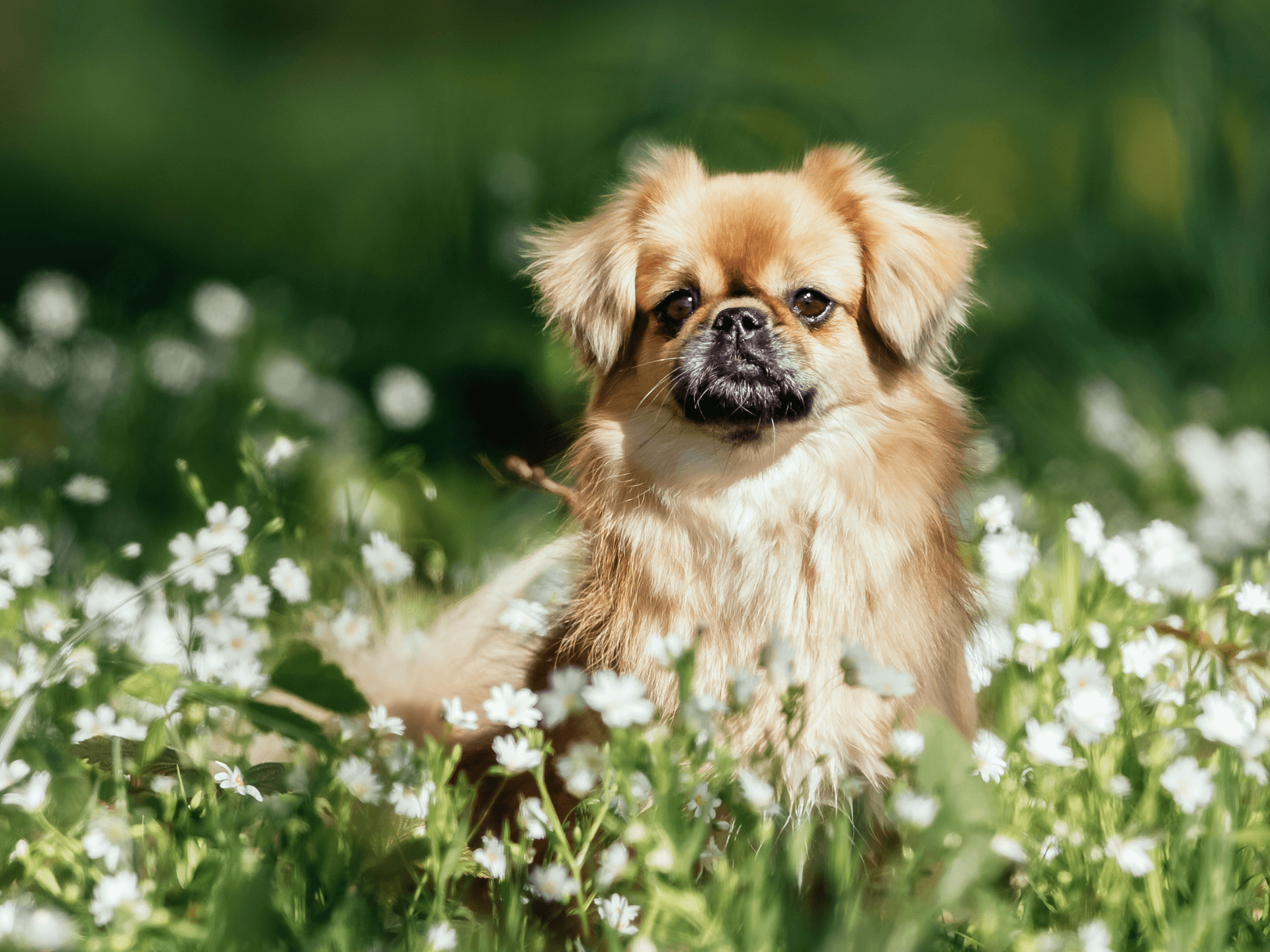
The Tibetan Spaniel, a small yet spirited dog breed, boasts a rich history and an endearing temperament. In this comprehensive guide, we will explore the breed’s history, size, exercise needs, personality, health, care, feeding, coat colors, grooming, lifespan, and interactions with children and other pets. This article aims to provide engaging and informative content that showcases the highest degree of perplexity, burstiness, contextual relevance, and coherence.
History
Originating in the Himalayan region of Tibet, the Tibetan Spaniel boasts a history dating back over 2,000 years. These charming dogs were highly valued by Tibetan monks and were often given as gifts to esteemed visitors, which helped spread the breed beyond Tibet. Tibetan Spaniels were primarily kept as watchdogs, providing early warning of intruders with their keen eyesight and sharp bark. The breed’s popularity grew in the West during the 20th century, and the American Kennel Club (AKC) officially recognized the Tibetan Spaniel in 1983.
Size
Tibetan Spaniels are small dogs, typically standing between 9-10 inches tall and weighing around 9-15 pounds. Their compact size and lightweight frame make them well-suited for apartment living and easy to transport.
Exercise
Despite their small size, Tibetan Spaniels are an active and intelligent breed. Daily exercise, such as leisurely walks or playtime in a securely fenced area, will help maintain their physical and mental well-being. While they enjoy playtime, Tibetan Spaniels are also content to snuggle up with their owners for some relaxation.
Personality
Tibetan Spaniels are affectionate, intelligent, and alert dogs, known for their devoted and gentle nature. They bond closely with their families and are excellent companions for both young and old. While they can be somewhat aloof with strangers, they are rarely aggressive. Their independent nature requires patient, positive training methods to ensure a well-behaved and sociable dog.
Health
Tibetan Spaniels have a lifespan of 12-15 years and are generally a healthy breed. However, they may be prone to specific health issues, such as progressive retinal atrophy (PRA), patellar luxation, and respiratory problems due to their flat faces. Regular veterinary check-ups, vaccinations, and responsible breeding practices can help minimize the risk of these conditions.
Care
Caring for a Tibetan Spaniel involves providing a secure, loving environment, along with adequate mental and physical stimulation. Consistent training, using positive reinforcement methods, will help establish a strong bond and ensure good behavior. Early socialization is essential for exposing your Tibetan Spaniel to various people, environments, and situations, helping them become well-adjusted adults.
Feeding
A balanced diet is crucial for the Tibetan Spaniel’s overall health. High-quality dog food, tailored to their age, size, and activity level, is recommended. Portion control and regular meal times will help maintain a healthy weight and prevent obesity-related health issues. Consult your veterinarian for specific dietary recommendations based on your Tibetan Spaniel’s individual needs.
Coat Color
Tibetan Spaniels boast a silky, double-layered coat that comes in a variety of colors and combinations, including gold, cream, fawn, red, white, black, and black and tan. Their coat features feathering on their ears, tail, and legs, adding to their graceful appearance.
Grooming
Tibetan Spaniels require regular grooming to maintain their beautiful coat. Weekly brushing will help remove loose hair and prevent matting, while occasional baths will keep them clean and fresh. Additional grooming tasks include trimming their nails, cleaning their ears, and maintaining proper dental hygiene through regular teeth brushing or dental chews.
Lifespan
The Tibetan Spaniel has a lifespan of 12-15 years, which can be maximized with proper care, exercise, and nutrition. By providing a loving and nurturing environment, along with regular veterinary care, you can ensure a long, happy life for your Tibetan Spaniel companion.
Interacting with Children
Tibetan Spaniels are generally good with children, especially when socialized from a young age. Their gentle and affectionate nature makes them a suitable companion for kids. However, it’s essential to teach children how to interact with dogs safely, and adult supervision is always recommended during playtime.
Interacting with Other Pets
When properly socialized, Tibetan Spaniels can get along well with other pets, including dogs and cats. However, due to their watchdog instincts, they may be initially cautious around unfamiliar animals. Early exposure to various animals and situations will help your Tibetan Spaniel adapt and coexist peacefully with other pets.
Conclusion
Tibetan Spaniels are a charming, intelligent, and affectionate dog breed with a rich history and an endearing personality. Their compact size, adaptability, and loving nature make them excellent companions for a wide range of households. By understanding and catering to their unique needs, you can enjoy a long-lasting and fulfilling relationship with your Tibetan Spaniel.