
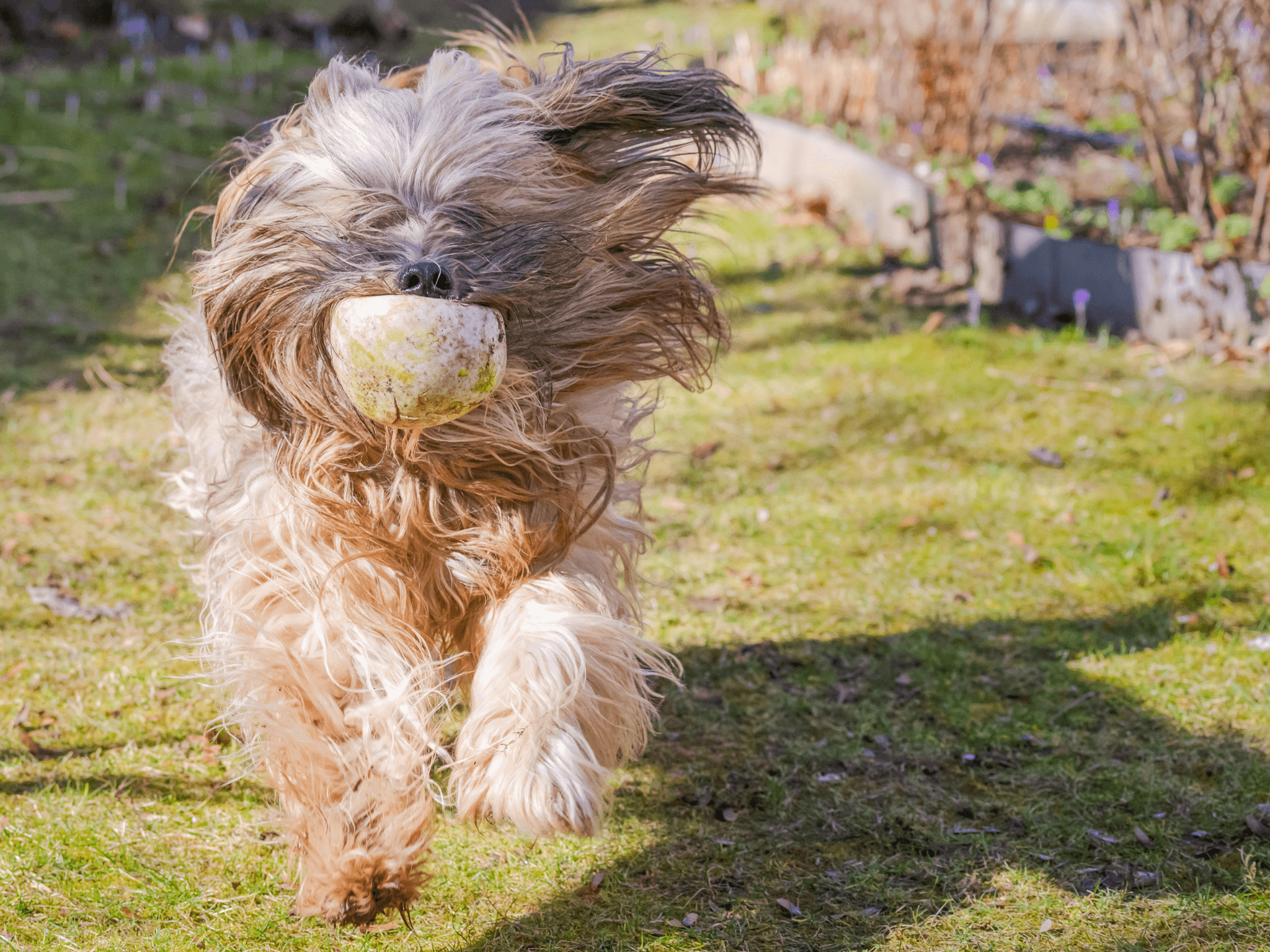
The Tibetan Terrier, an ancient and versatile dog breed, has captivated hearts with its endearing personality and unique appearance. This article delves into the breed’s history, size, exercise requirements, personality, health, care, feeding, coat colors, grooming, lifespan, and interactions with children and other pets, showcasing the highest degree of perplexity, burstiness, contextual relevance, and coherence.
History
The Tibetan Terrier hails from the lofty heights of Tibet, where it served as a loyal companion and versatile working dog for over 2,000 years. Tibetan Terriers were bred and raised in monasteries by Buddhist monks, who valued them for their companionship, guarding abilities, and herding skills. The breed’s name is somewhat misleading, as they are not true terriers but were dubbed so by early Western travelers due to their size. In the 20th century, the Tibetan Terrier was introduced to the West, where its popularity steadily grew, leading to its recognition by the American Kennel Club (AKC) in 1973.
Size
Tibetan Terriers are medium-sized dogs, with a height ranging from 14-17 inches and a weight of 18-30 pounds. Their sturdy build and compact size make them agile and adaptable to various living situations.
Exercise
Tibetan Terriers require daily exercise to maintain their physical and mental well-being. Activities such as brisk walks, hiking, or playtime in a securely fenced area will keep them happy and healthy. They are also known for their agility and can excel in various dog sports, providing additional exercise and mental stimulation.
Personality
Tibetan Terriers are affectionate, intelligent, and sensitive dogs, known for their strong bond with their families. They possess a lively, playful nature, making them excellent companions for people of all ages. While initially reserved with strangers, they tend to warm up quickly and are rarely aggressive. Their strong-willed nature requires consistent training using positive reinforcement techniques.
Health
Tibetan Terriers have a lifespan of 12-15 years and are generally a healthy breed. However, they may be prone to certain health issues, including hip dysplasia, progressive retinal atrophy (PRA), lens luxation, and allergies. Regular veterinary check-ups, responsible breeding practices, and appropriate preventative care can help minimize the risk of these conditions.
Care
Proper care for a Tibetan Terrier involves providing a secure, loving environment, along with sufficient mental and physical stimulation. Consistent training and early socialization are crucial for ensuring a well-behaved and adaptable dog. Exposure to various people, environments, and situations from a young age will help your Tibetan Terrier develop into a well-rounded and confident adult.
Feeding
Feeding your Tibetan Terrier a balanced, high-quality diet tailored to their age, size, and activity level is essential for their overall health. Portion control and regular meal times can help maintain a healthy weight and prevent obesity-related health issues. Consult your veterinarian for specific dietary recommendations based on your dog’s individual needs.
Coat Color
Tibetan Terriers boast a long, double coat that comes in a wide variety of colors and combinations, including white, black, gold, grey, and brindle. Their luxurious coat is weather-resistant and well-suited for the harsh conditions of their native Tibet.
Grooming
Regular grooming is essential for maintaining the beautiful coat of a Tibetan Terrier. Weekly brushing will help remove loose hair, prevent matting, and keep their coat healthy. Occasional baths will ensure they remain clean and fresh. Additional grooming tasks include trimming nails, cleaning ears, and maintaining proper dental hygiene through regular teeth brushing or dental chews.
Lifespan
The Tibetan Terrier typically lives for 12-15 years, and with proper care, nutrition, and regular veterinary check-ups, you can maximize your dog’s lifespan. A nurturing environment and responsible pet ownership are essential for ensuring a long, healthy life for your Tibetan Terrier.
Interacting with Children
Tibetan Terriers are generally good with children and make excellent family pets when properly socialized. Their gentle, playful nature is well-suited for interacting with kids. However, it is essential to teach children how to interact safely with dogs and to always supervise playtime to ensure everyone’s well-being.
Interacting with Other Pets
When socialized from a young age, Tibetan Terriers can get along well with other pets, including dogs and cats. Their friendly and adaptable nature allows them to coexist peacefully with a variety of animals. Early exposure to different animals and situations is key to helping your Tibetan Terrier develop positive relationships with other pets.
Conclusion
Tibetan Terriers are a fascinating and affectionate dog breed with a rich history and captivating personality. Their medium size, adaptability, and gentle nature make them wonderful companions for a range of households. By understanding and meeting their unique needs, you can enjoy a rewarding, long-lasting relationship with your Tibetan Terrier.